

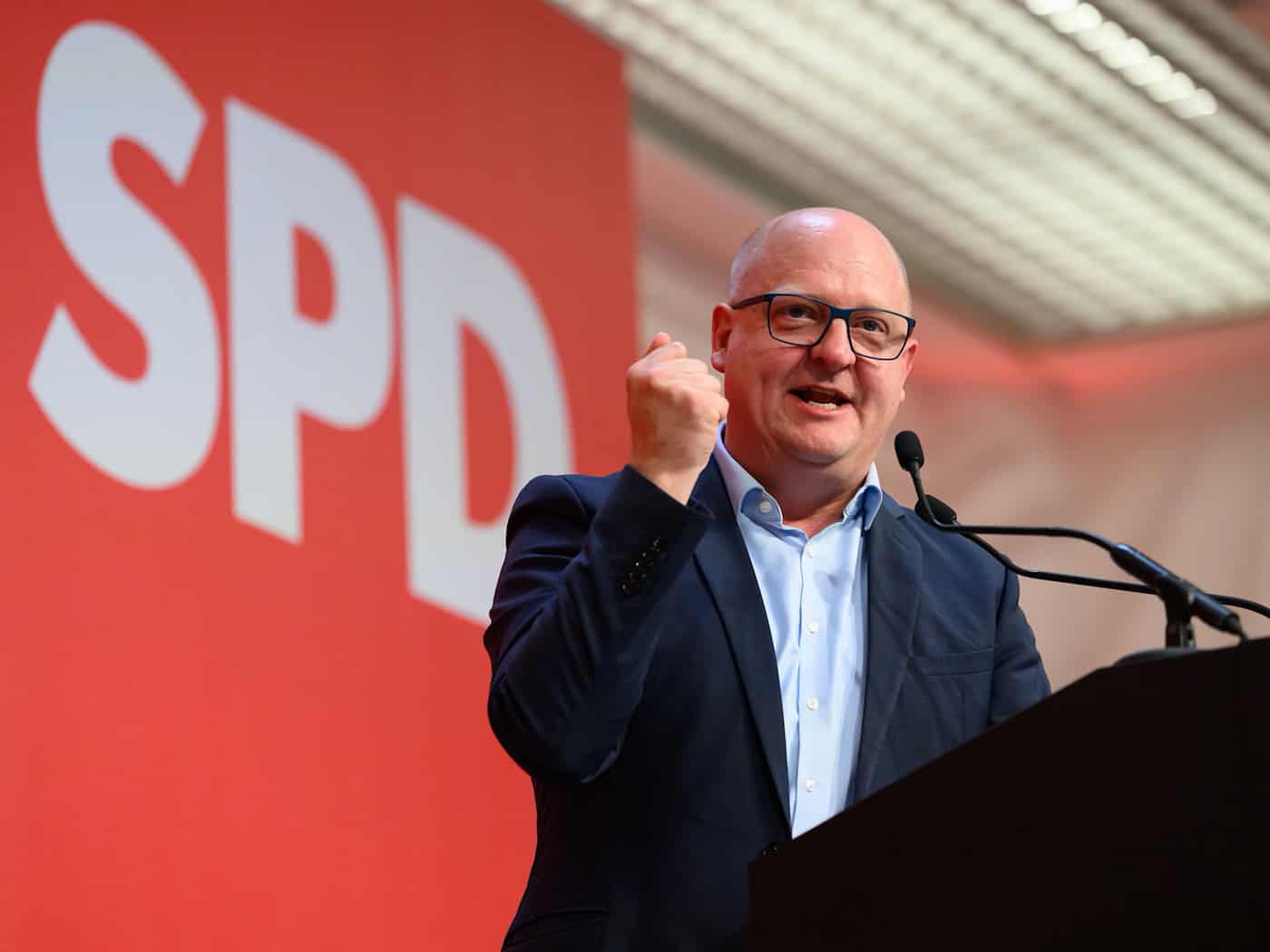
Following the elections in Mecklenburg-Western Pomerania and Berlin, Saxony’s Social Democrats are urging that greater attention be paid to the concerns of eastern Germany. “The perspectives of eastern Germany must be given greater consideration in the reform debates. Social hardships have a particularly severe impact here,” explained party leader Henning Homann. Improvements are needed now, he said, such as regarding pensions after 45 years of contributions. “I have no sympathy for Chancellor Merz’s ‘business as usual’ rhetoric. The state elections in eastern Germany have shown that people do not want his policy of social indifference,” Homann emphasized. Despite the CDU’s poor results in the state elections in Mecklenburg-Western Pomerania and Berlin, Federal Chancellor Friedrich Merz intends to remain in office and continue the reform agenda. “I want to move our country forward,” said the CDU chairman in Berlin. “The reforms must go ahead.” The SPD, led by Minister-President Manuela Schwesig, received 35.5 percent of the second votes in the election in Mecklenburg-Western Pomerania, placing it in second place behind the AfD (38.2 percent). Schwesig could form a government with The Left (6.5 percent) and the Greens (5.7 percent). The CDU (4.9) is no longer represented in the state parliament. In Berlin, the SPD received 12.1 percent and could be part of a coalition government with The Left (25.7) and the Greens (14.3). There would also be a narrow majority for a coalition consisting of the CDU (18.8), the SPD, and the Greens. Copyright 2026, dpa (www.dpa.de). All rights reservedNo sympathy for Chancellor Merz’s “business as usual” approach


