


BUND deplores too little wilderness in Saxony too
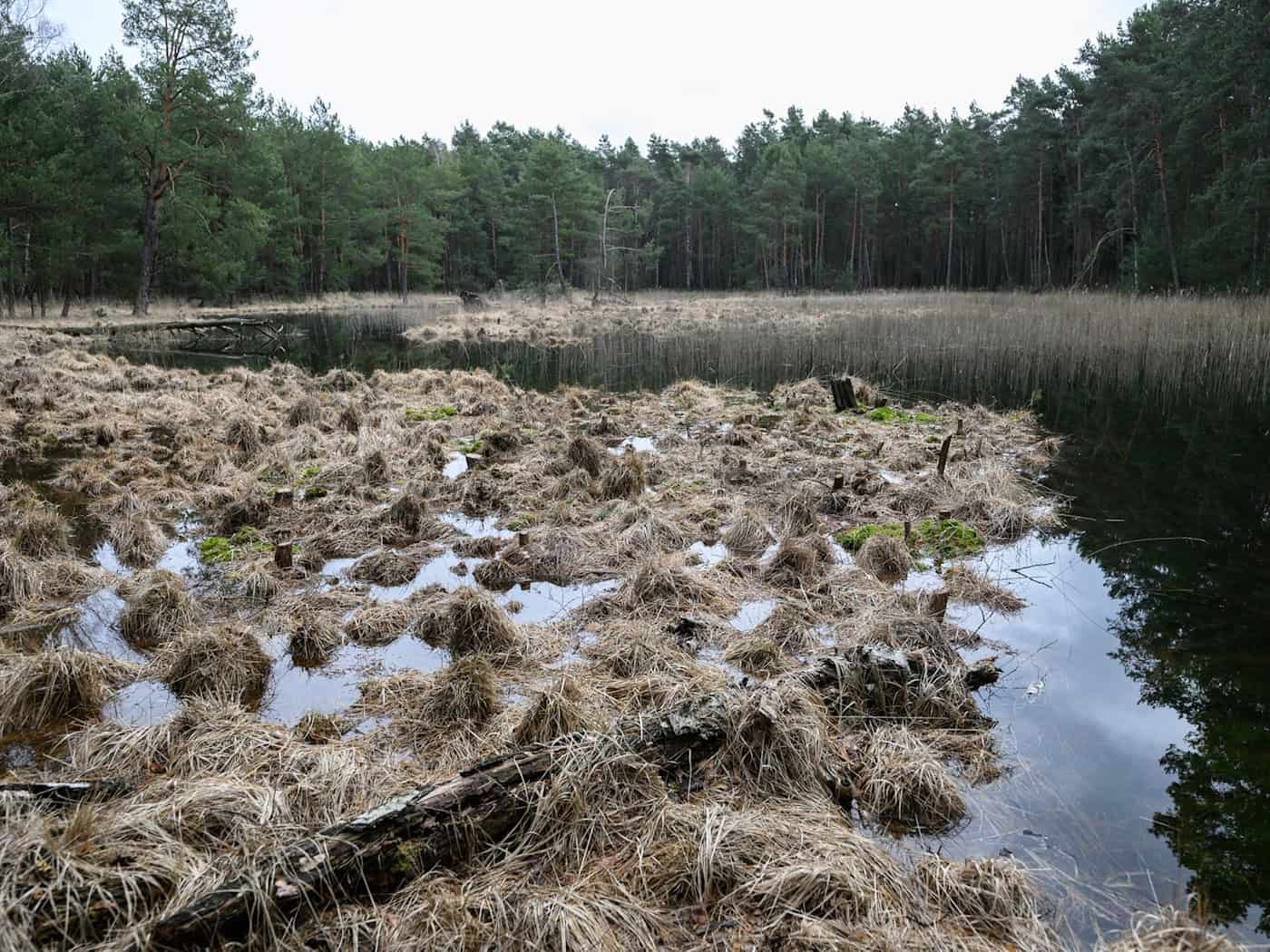
The German Federation for the Environment and Nature Conservation (BUND) is calling for more space for natural development in Saxony on International Biodiversity Day this Friday. It referred to a wilderness study presented in 2019 together with the German Nature and Biodiversity Conservation Union (NABU). Since then, some progress has been made. "However, the potential identified in the wilderness study remains largely untapped," explained BUND head Felix Ekardt. The study defined various suitable areas in Saxony, such as near-natural forests, moors, alluvial landscapes and former mining areas, it said. The lignite phase-out in particular means that large and undissected areas are available in the state for the designation of large wilderness areas. "Especially in a densely used federal state like Saxony, we also need areas where nature can develop independently in the long term. They can help to keep water in the landscape for longer and stabilize damaged ecosystems." Bund's criticism is also directed at the situation in Germany as a whole. "The federal government must finally designate at least two percent of the country's land area as wilderness areas - as already decided in 2007 in the National Biodiversity Strategy and confirmed two years ago," it said. Areas with natural dynamics would make an important contribution to the protection of biodiversity and could help to make ecosystems more resilient to drought and extreme weather. The proportion of large-scale wilderness areas is currently around 0.6 percent of the country's surface area. The International Day for Biological Diversity is celebrated annually on May 22. It was established by the United Nations to draw attention to the importance of biodiversity as the basis of functioning ecosystems. Copyright 2026, dpa (www.dpa.de). All rights reservedFormer mining areas could become wilderness according to BUND
Wilderness contributes to the protection of biodiversity

