

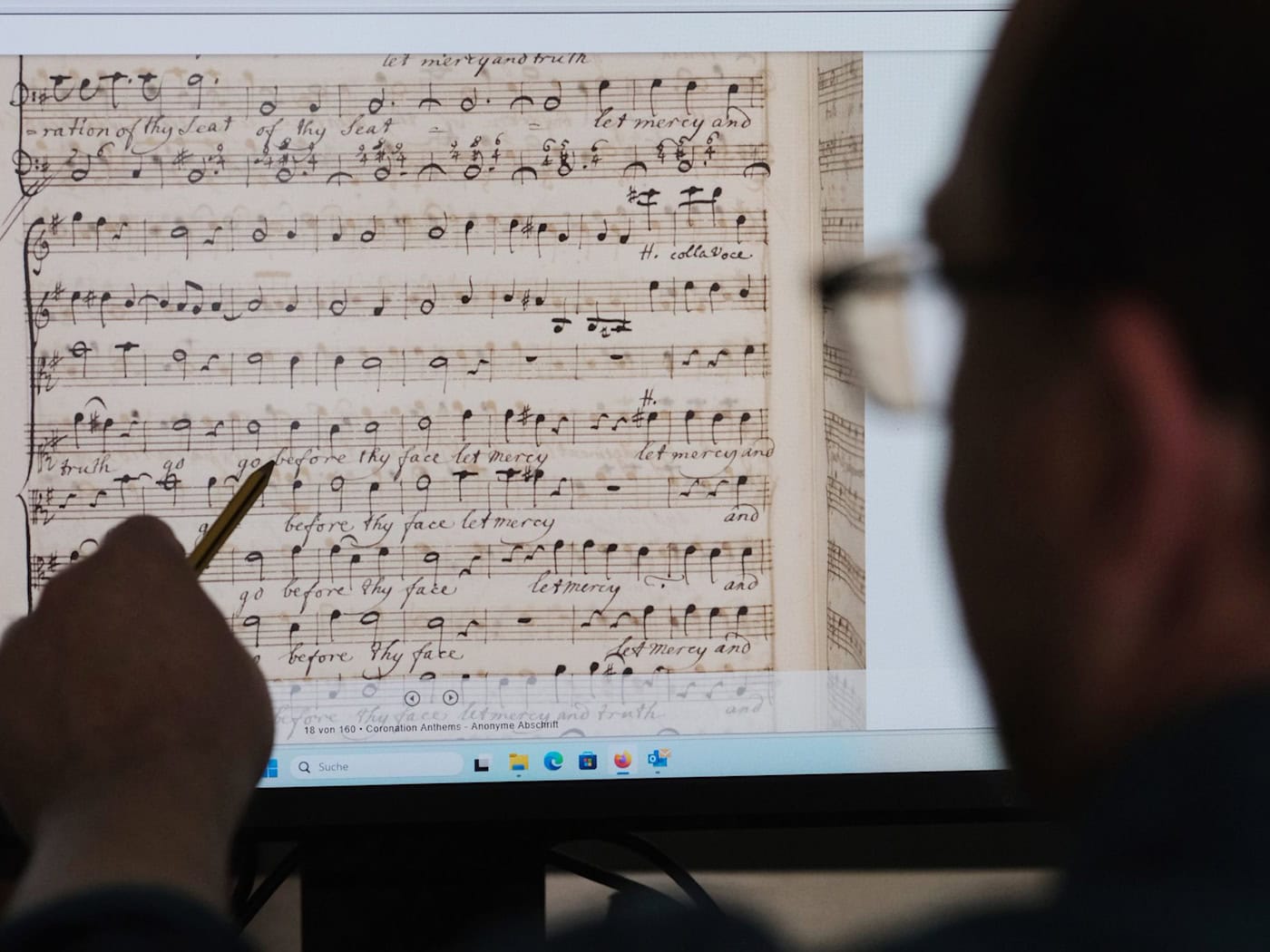
Saxony’s libraries and museums feel that planned cuts in the Free State’s two-year budget are hindering their efforts to digitize cultural assets. Katrin Stump, Director General of the Saxon State Library—State and University Library (SLUB), explained that the funds allocated in the draft budget would not allow for the comprehensive digitization of additional historical documents and films. As a result, institutions would be left to fend for themselves when it comes to digitizing cultural heritage. “Instead of an established central infrastructure, we would have to resort to more expensive individual solutions, which many institutions and stakeholders in rural areas in particular cannot afford. Particularly with regard to audiovisual heritage, there is also a risk that important historical records will be lost forever due to the threat of material deterioration if we do not digitize them in the coming years,” argued Stump. Saxony supports the digitization of institutions’ collections through a program for science and culture and a program to preserve Saxony’s audiovisual heritage. The SLUB is leading this effort. According to the SLUB, more than 18 million text pages and images, as well as over 110,000 minutes of audio and film recordings, have already been made accessible worldwide. In 2025 alone, there were approximately six million accesses to these digitized materials. The goal is to digitally preserve Saxony’s cultural heritage and make it visible internationally. In recent years, significant historical records—such as regional historical newspapers and newsreels, as well as texts, photographs, and film footage documenting Saxony’s industrial, sports, musical, and everyday culture, it was reported. These media, often threatened by natural decay, are not only being preserved for future generations through digitization but, in some cases, are being made publicly accessible for the first time. “Without the state digitization program, our treasures would not be as visible and, above all, not usable. A single museum can hardly manage that on its own, and certainly not our small institution,” emphasized Daniela Simon of the German Chair Museum in Rabenau. It was only after the collection became available in digital formats that furniture and design experts, collectors, scholars, writers, and museum professionals began contacting the museum to work with the digitized data. For the museum, digital visibility is just as important as preserving the objects themselves. Copyright 2026, dpa (www.dpa.de). All rights reservedCollections cannot afford expensive individual solutions
Part of the collections has already been digitized
Original documents are at risk of deterioration
Museums Want to Make Their Treasures Digitally Accessible


