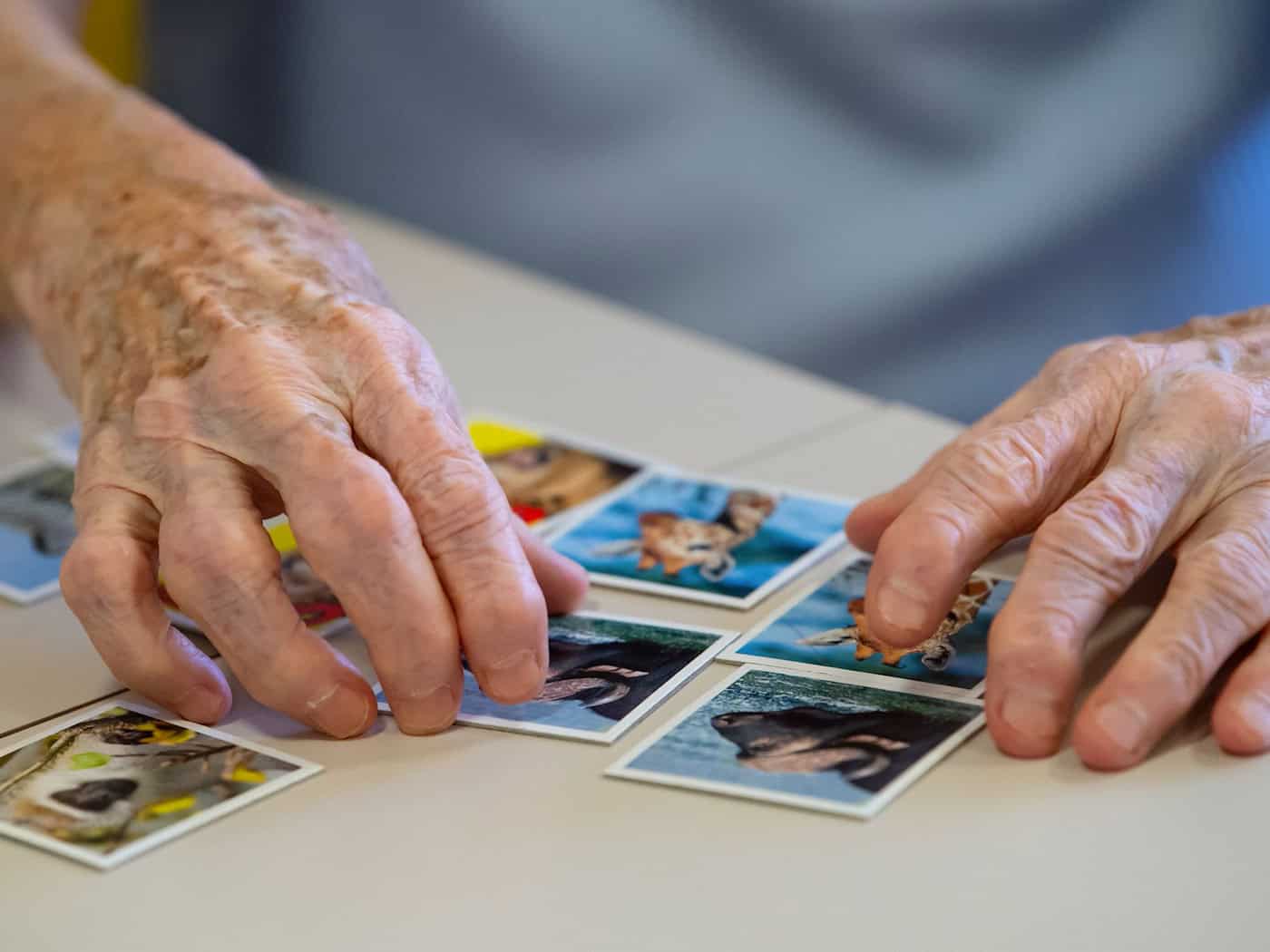
According to a report by Barmer, Saxony has the highest rate of dementia in Germany. The health insurance company reported that 290 out of every 10,000 people in the Free State live with dementia or Alzheimer’s. Within Saxony, the Görlitz district (370), the city of Chemnitz (345), and the Meissen district (319) have the highest rates of the disease, while the lowest rates are found in the Zwickau district (240) as well as in Leipzig (248) and Dresden (260). The national average stands at 153 people affected per 10,000 residents. “Dementia doesn’t just affect the patients themselves. Behind every diagnosis, there are often family members who take on the responsibility of caregiving. In light of rising incidence rates, reliable support for families and a care system that remains sustainable in the future are therefore essential,” emphasized Barmer regional director Claudia Beutmann. According to Barmer, people with dementia or Alzheimer’s often suffer from additional health conditions. 63 percent of those affected have high blood pressure, and 32 percent suffer from depression. “It is not unusual for the mood of people with dementia to change; this often manifests as depressive or even aggressive mood states,” Beutmann emphasized. Dementia rarely has a genetic cause, the regional chair clarified. The risk can often be influenced by lifestyle. “Regular exercise, a balanced diet, not smoking, and moderate alcohol consumption can lower the risk.” The German Alzheimer’s Association published the latest figures in September. According to these figures, approximately 1.78 million people in Germany are currently living with dementia. “Most of them are affected by Alzheimer’s disease. By 2050, the number of people with dementia will rise to as many as 2.6 million.” The highest rates were reported for Saxony and Saxony-Anhalt, at 2.6 percent each, followed by Thuringia (2.5 percent). “Dementia is not solely a matter of old age. Nearly 5 percent of all people with dementia in Germany—that is, around 85,000 people—are younger than 65,” the Alzheimer’s Association added. Copyright 2026, dpa (www.dpa.de). All rights reservedEvery diagnosis also affects family members
People with dementia often have other health conditions
More and more people will be affected in the coming years
Dementia also affects people under 65