

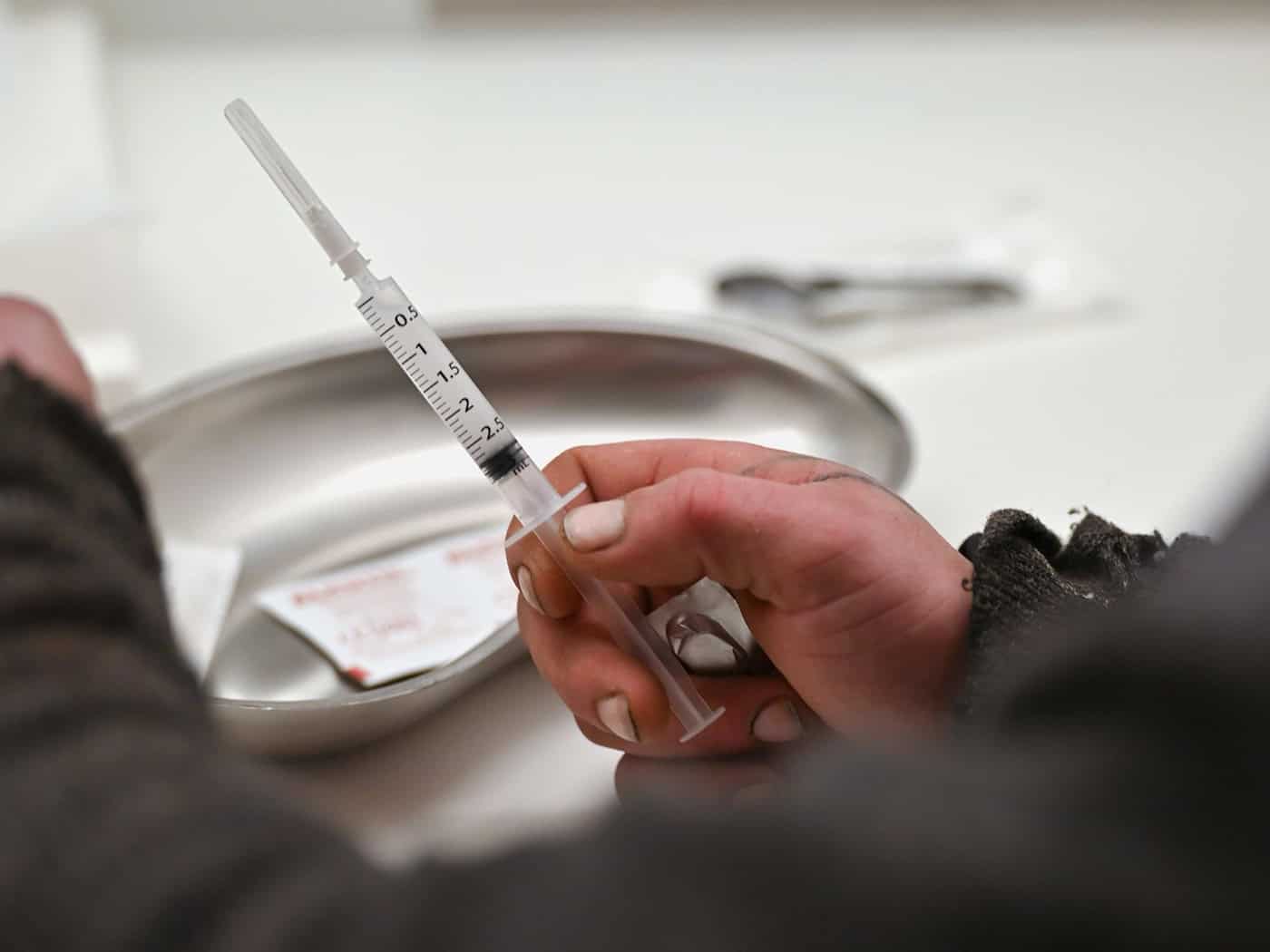
Last year, 26 people died in Saxony as a result of drug use—22 men and four women. This is according to a response from the Ministry of Social Affairs to a parliamentary question posed by state legislator Christin Melcher (Alliance 90/The Greens). Four of the victims were between the ages of 18 and 21. In 15 cases, the individuals died as a result of poly-drug use—they had consumed multiple substances. From 2020 to 2025, heroin use in combination with other intoxicants was the most common cause of death—a total of 21 cases. The Greens used the figures as an opportunity to call for a different drug policy—one that protects rather than stigmatizes. With the National Day of Remembrance for Drug-Related Deaths coming up next Tuesday (July 21), they are calling for strengthened addiction support and prevention, as well as harm reduction and early warning systems in the Free State. “Behind every drug-related death is a person with their own story, family members, and friends. Every single death is one too many. We must do more to ensure that people receive help early on,” Melcher emphasized. “Increasingly, the risk stems not from a single substance, but from dangerous drug mixing,” she said. In 2025, four deaths caused by fentanyl were reported—as many as in the previous five years combined. For the first time, a death linked to nitazenen—which are opioids—was also recorded. “These are unmistakable warning signs. The Free State’s drug and addiction policy must keep pace with these developments.” “Saxony has important insights from addiction services, the healthcare system, the police, forensic medicine, and local governments. But this knowledge is not yet being consolidated consistently enough or translated into protective measures quickly enough,” said Melcher. Those who only recognize risks once people have died are acting too late. “We need effective early-warning systems that identify dangerous trends early on and promptly align prevention, addiction support, and harm reduction with them.” According to Melcher, addiction support services in Saxony do indispensable work every day. “For many people, it is the place where help begins. It accompanies people through the most severe crises, supports family members, and creates pathways back to stability and participation. Addiction services deserve a sustainable and crisis-proof structure—with reliable funding, sufficient specialized staff, and low-threshold services available locally.” Copyright 2026, dpa (www.dpa.de). All rights reservedGreens: Drug Policy Should Protect, Not Stigmatize
Mixing drugs is particularly risky
Insights into drugs are not translating into protective measures quickly enough
Addiction support needs long-term funding


