

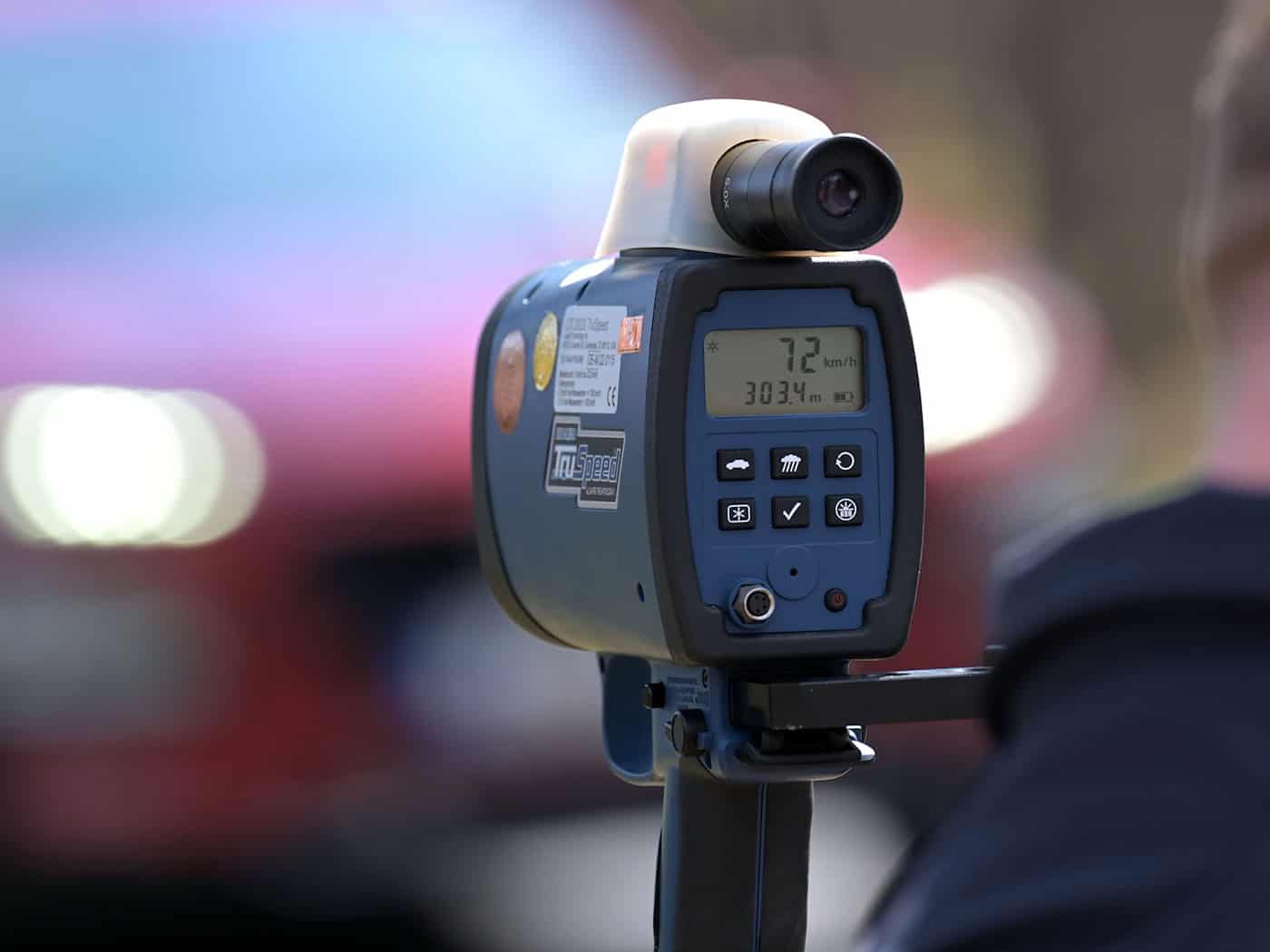
Saxony's police have detected numerous speeding and drug violations as part of the "Speed" control week organized by the European police network "Roadpol". According to the Dresden Ministry of the Interior, officers detected a total of 7,876 speed limit violations on roads in the state from April 13 to 19. In 1,654 cases, these were "stop checks" in which the speeders were directly confronted with their behavior. 6,222 of the speed checks were carried out automatically and were reported to the police. In four cases, illegal drugs were found, according to the police. Two people did not have a residence permit. Eleven of those checked were wanted by the police. The police were also able to seize stolen goods in 29 cases. Saxony's police are taking part in the speed camera action week. For many years now, however, the police in the state have refrained from the 24-hour "speed camera marathon" that takes place during the week on April 15. The Ministry of the Interior has explained in the past that the planning and personnel costs are "disproportionately high". Critics doubt the overall effect of such campaigns and are instead calling for greater enforcement pressure throughout the year. The ADAC rates the speed camera campaign week positively. It contributes to road safety "as it makes road users aware of the dangers of speeding and can sensitize them accordingly", the association explained. Thanks to the intensive media coverage, the campaign not only has a direct impact on those affected by the controls, but also beyond. Ulrich Chiellino, Head of Traffic Policy at ADAC, also sees compliance with the rules by adults as an important role model for children. The youngest road users play the main role in the ongoing campaign by the Saxon police: since Monday, police officers have been checking the speed of drivers near schools together with primary school children. The campaign, called "Blitz für Kids" (Speed for Kids), has been running since 1995. At the start on Monday, the children carried out a total of nine checks with the police in Chemnitz, the Erzgebirgskreis district and the Mittelsachsen district, according to the Chemnitz police department. 37 of the 244 vehicles measured were speeding. All of the cases involved speeding fines, i.e. speeding violations of up to 15 kilometers per hour over the permitted limit. The speeding offenders received a "yellow card" from the children for their behavior. The campaign will run until the end of the month. The initiators of the "Speed" speed camera campaign week, the European police network "Roadpol", have set themselves the goal of reducing the number of road accident victims. A second "Speed" action week will take place in August at the height of the school summer vacation. In addition, the network calls on its police members to step up alcohol and drug checks in traffic every year in December, when mulled wine is sold at Christmas markets, for example, as part of the "Alcohol & Drugs" campaign week. Copyright 2026, dpa (www.dpa.de). All rights reservedSaxony is foregoing the 24-hour "speed camera marathon"
Primary school children and police check the speed limit near schools


