


Berlin Clarifies Rules for Power Plants Operating During Periods of Low Demand
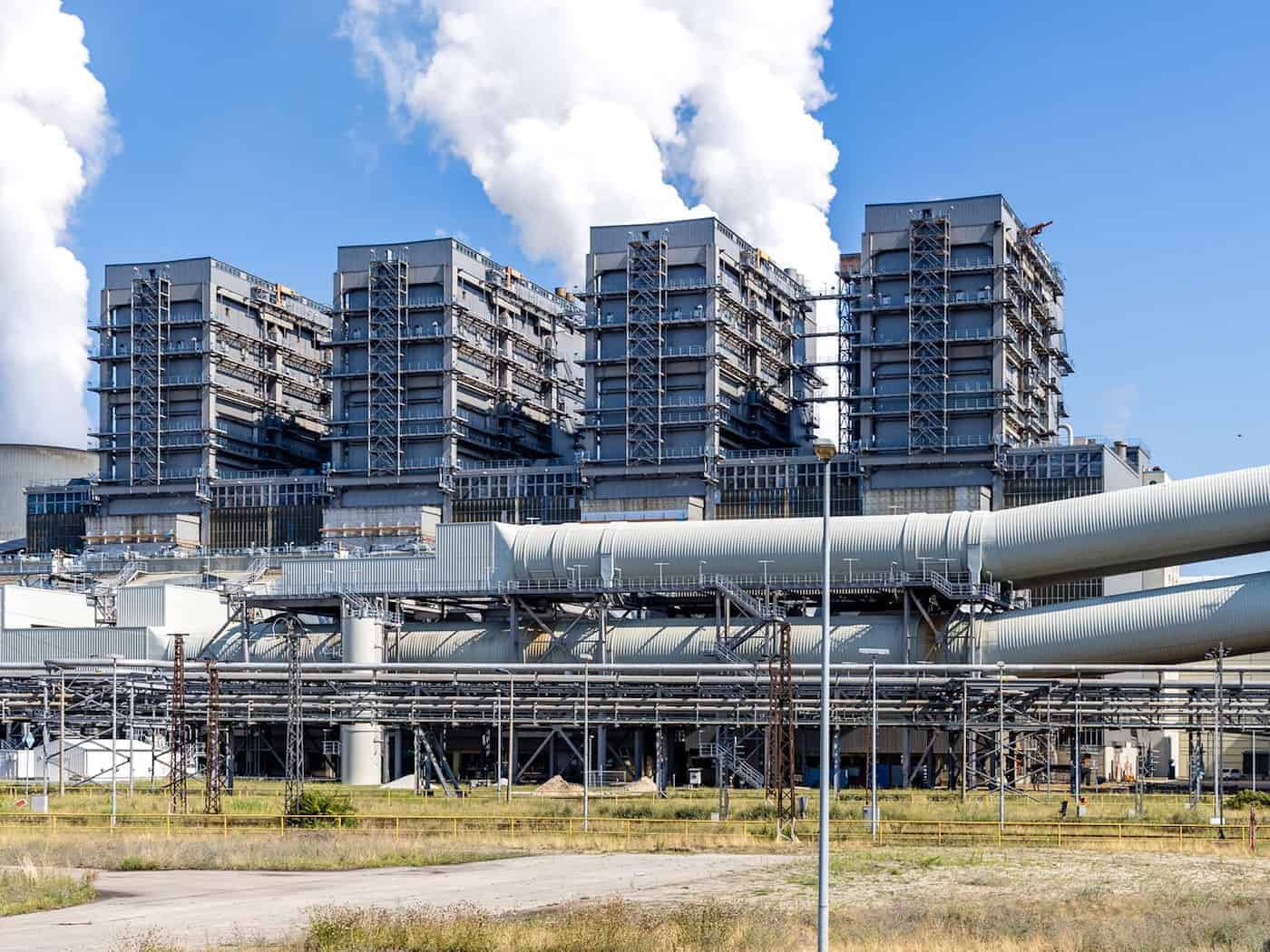
The Federal Ministry of Economics intends to clarify the rules governing electricity companies’ participation in tenders for gas-fired power plants to be used during periods of low wind and low sunlight. The ministry is focusing primarily on existing coal-fired power plants that can be converted to run on natural gas—so-called “fuel switch” projects. A new regulation is now intended, among other things, to clarify that bids may only be submitted for coal-fired power plants slated for conversion that have already been decommissioned or must be decommissioned by January 1, 2030, at the latest. The new natural gas power plants are intended to ensure the security of the electricity supply as part of the phased phase-out of coal-fired power generation planned through 2038. As backup sources, their primary purpose is to ensure that there is still enough electricity available even when energy generation from wind and solar is insufficient. The new plants will initially burn natural gas. By 2045 at the latest, however, the gas-fired power plants are to run on climate-friendly hydrogen. Operators will receive a fixed payment for maintaining the plants. This payment is to be financed through a surcharge levied on all electricity consumers. In the first round of bidding, nearly all contracts went to projects by the energy companies RWE and Leag. Six Leag projects in Brandenburg and Saxony are “Fuel Switch” projects, in which former lignite-fired power plants are to be converted. The ministry announced on Tuesday evening that the goal is to create additional electricity generation capacity. According to the Electricity Supply Security and Capacity Act (StromVKG), this capacity is intended to ensure supply security starting November 1, 2031. According to the law, required investments include, among other things, the construction of new facilities or capacity expansions of existing facilities. Investments in modernization, however, do not count toward meeting certain “minimum investment thresholds.” The ministry emphasized that a fuel switch would only be recognized as a “new construction” if it actually added additional capacity to the grid. However, if a coal-fired plant is permitted under another law to remain in the system beyond 2030, converting it into a gas-fired power plant does not constitute a new construction. “This is because no additional capacity is created in these cases,” the statement said. The ministry further clarified that the coal phase-out must not be brought forward due to the StromVKG. The goal of the law is to ensure sufficient capacity in the system by 2031. “That is why the StromVKG and its implementation through the ordinance stipulate that there should be no incentive to bring forward the decommissioning of coal-fired power plants.” The ministry explained that the “specifications” would not affect the awards from the first round of tenders. “All successful bids meet the conditions set forth in the law, even taking into account the clarifications now made,” the ministry said. The ministry further noted that the results of the first bidding round were a “great success.” The regulation is set to take effect shortly. The next round of tenders has already begun. Energy companies have until December 29 to submit bids. A total electricity generation capacity of 3,840 megawatts is to be awarded. Copyright 2026, dpa (www.dpa.de). All rights reservedThe first contracts were also awarded to six “fuel-switch” projects
The coal phase-out must not be brought forward due to the StromVKG
The next round of tenders has already begun

