


“Made WITH Taiwan”: How Dresden Is Reducing Europe’s Dependence on Chips
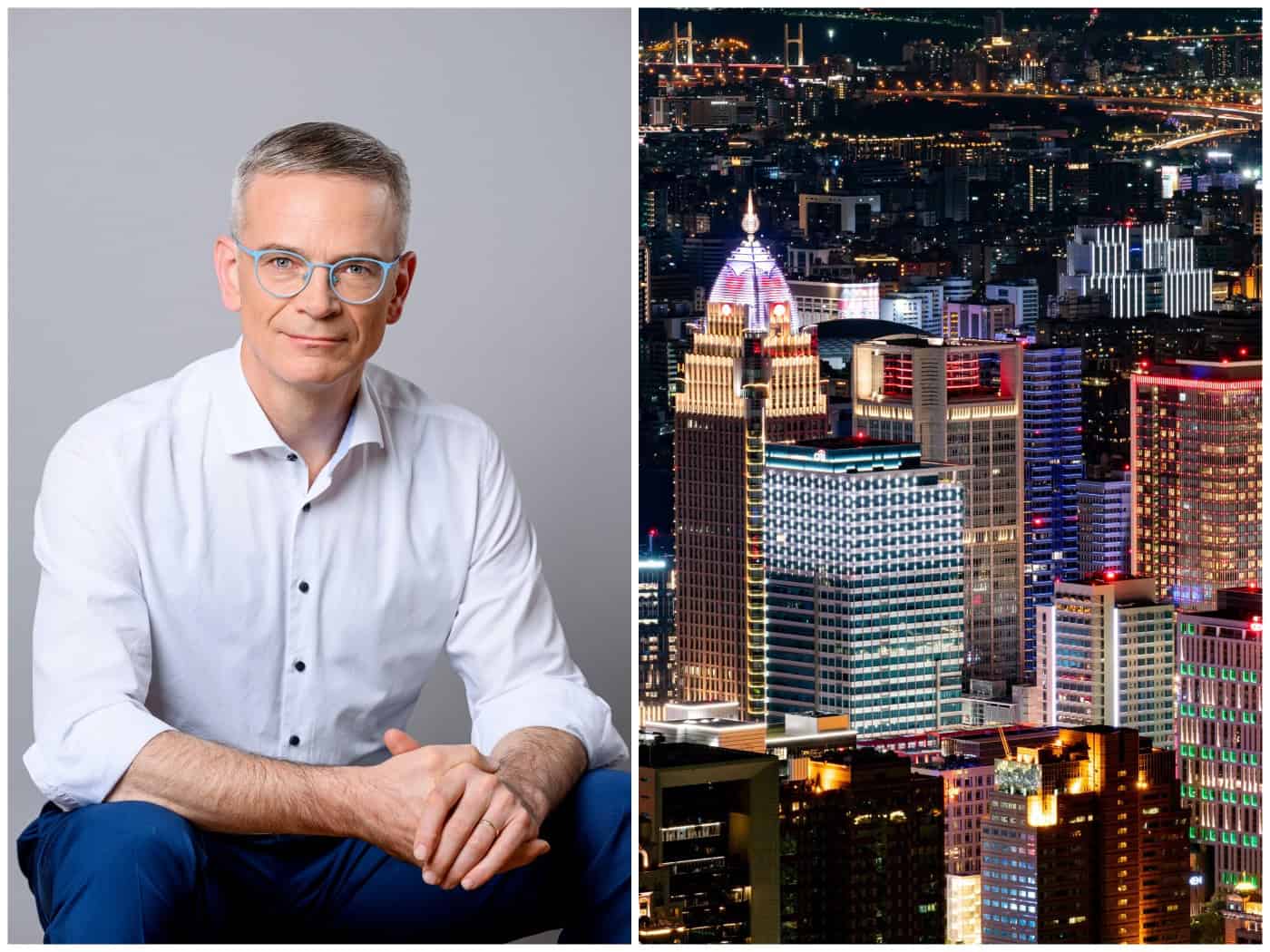
Dresden. A slogan from Berlin is meant to illustrate the direction in which cooperation with Taiwan should head: “Made WITH Taiwan” instead of “Made IN Taiwan.” Taiwan’s Deputy Foreign Minister François Wu promoted this concept during a meeting with the Berlin-Taipei Parliamentary Friendship Group. For Markus Reichel, a CDU member of the Bundestag from Dresden and vice chair of the Friendship Group, his city is the best example of how this idea can translate into tangible industry.
“For us, Taiwan is far more than just an important trading partner,” says Reichel. “With TSMC’s establishment in Dresden, international cooperation is turning into a very concrete prospect for the future of our region.” Behind this message lies the idea of jointly developing and producing technology instead of importing finished products.
TSMC, Infineon, GlobalFoundries: Dresden’s Semiconductor Ecosystem
Specifically, Reichel is referring to the investment by the Taiwanese semiconductor company TSMC in the joint venture ESMC (European Semiconductor Manufacturing Company). This investment is intended to cement Dresden’s position as one of Europe’s largest microelectronics hubs. Together with Infineon and GlobalFoundries, as well as numerous medium-sized suppliers, research institutions, and technology companies, a closely networked semiconductor ecosystem is growing in and around Dresden. Just how prominent the Taiwanese connection has become is evident even on the streets: Since the summer, a DVB tram featuring the ESMC design has been rolling through the city.
For Reichel, this is about more than just individual plants. “To me, ‘Made WITH Taiwan’ means: We don’t just want to import finished products; we want to develop, produce, and create value together. That’s exactly what’s happening in Dresden,” said the representative. This benefits local businesses, small and medium-sized enterprises, and the local community.
Groundbreaking in Prohlis: a campus for tomorrow’s skilled workers
This week’s event underscores the regional connection. On Monday, November 2, in Dresden-Prohlis, the cornerstone was laid for the new vocational training center for electrical engineering. According to Reichel, approximately 102 million euros are being invested in the campus, where some 2,250 students are expected to be trained in the future in fields such as microtechnology, mechatronics, electrical engineering, and computer science. The European Union is contributing 77.5 million euros.
For Reichel, these two events go hand in hand. “In Berlin, we’re talking with Taiwan about the future of the semiconductor industry. And in Dresden-Prohlis, we’re laying the foundation that same week for training the skilled workers who will shape that future,” he says. Successful economic policy, he explains, means attracting international investment, involving regional companies, and at the same time investing in the necessary skilled workers.
Why Vocational Training Is Becoming So Important
Reichel deliberately emphasizes vocational training. The growing chip industry needs not only engineers and scientists, but also well-trained microtechnologists, mechatronics engineers, and electronics technicians. The extent of the labor shortage was recently demonstrated by TSMC and Infineon demonstrated this with a joint job recruitment campaign. Reichel considers the dual vocational training system and the close integration of schools and businesses to be among the region’s most important locational advantages.
“We must not measure economic development solely by the level of investment,” he says. “What matters is what this brings to our region: secure and skilled jobs, opportunities for young people, and new contracts for our small and medium-sized businesses.” The campus in Prohlis demonstrates that the chip industry’s impact extends far beyond the factory sites in northern Dresden.
A Strategic Issue for Germany and Europe
Beyond Dresden, Reichel views cooperation with Taiwan as a strategic priority. Especially when it comes to key technologies like semiconductors, Europe needs reliable partners, resilient supply chains, and its own industrial expertise. “Dresden shows how international partnerships can translate into regional strength,” he says. With the vocational school campus, the city is now also investing in the next generation, which is expected to breathe life into this partnership.

