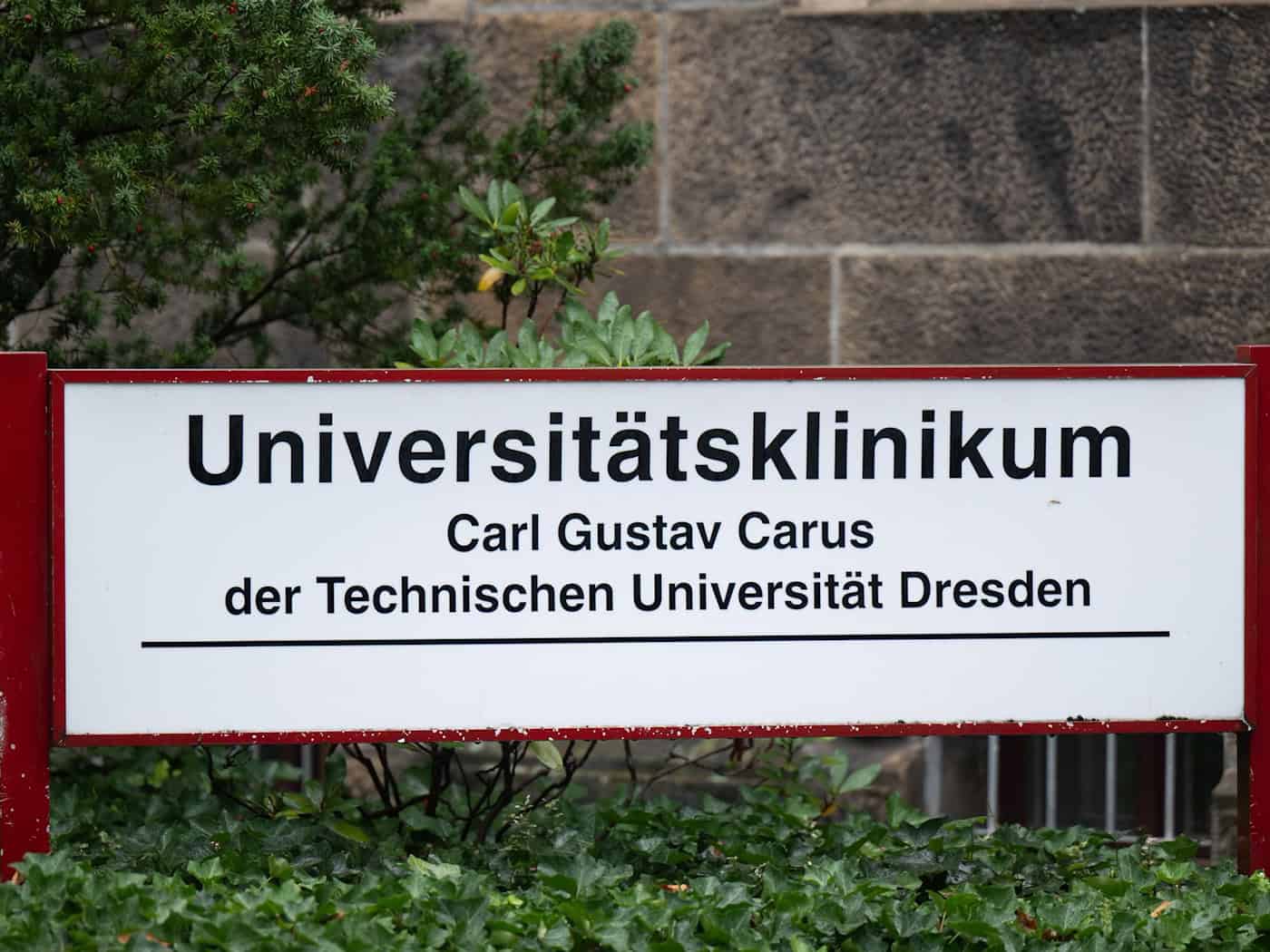
German university medicine is meeting in Dresden to discuss research, teaching formats, populism and international cooperation. At the Ordinary Medical Faculty Conference, for example, the question of how medicine can defend scientific facts against populism and the role of civil-military cooperation in research will be discussed. The event will be hosted by the Faculty of Medicine at the Technical University of Dresden. There are around 260 registrations for the meeting on Thursday and Friday. The importance of university medicine as a location factor will also be discussed. According to Esther Troost, Dean of the Faculty of Medicine in Dresden, university hospitals and medical faculties are often among the most important employers. "In addition, networks with other players from science and industry develop around such locations," said the professor. This can be seen in Dresden, particularly with regard to companies from the life sciences sector. "The strategic importance of university medicine is also reflected in its economic effects," emphasized Troost, who also heads the Clinic and Polyclinic for Radiotherapy and Radiooncology in Dresden. "Through patient care, research and teaching, the University Hospital and Faculty of Medicine generate extensive value creation, employment and tax effects that go far beyond the direct effects and affect not only Saxony, but the whole of Germany." According to Troost, however, there is a structural financing problem. "While personnel costs in particular are rising continuously, state subsidies for research and teaching are often remaining constant or even falling, resulting in a growing funding gap in the face of inflation and rising personnel costs." Analyses show that investments in university medicine generate a high return on investment, as the tax revenue and economic effects they generate exceed the public funds invested. Even moderate cuts in state funding would lead to disproportionately negative effects on employment, tax revenue and third-party funding activities, explained Troost. The findings make it clear that university medicine "should not be regarded as a subsidized service, but rather as a state-commissioned and economically highly effective service". Adequate and dynamic funding is crucial to ensure long-term performance and positive regional and national effects. Copyright 2026, dpa (www.dpa.de). All rights reservedDean points to structural financing problem