


Left-wing lawmakers introduce a resolution on heat protection in the state legislature
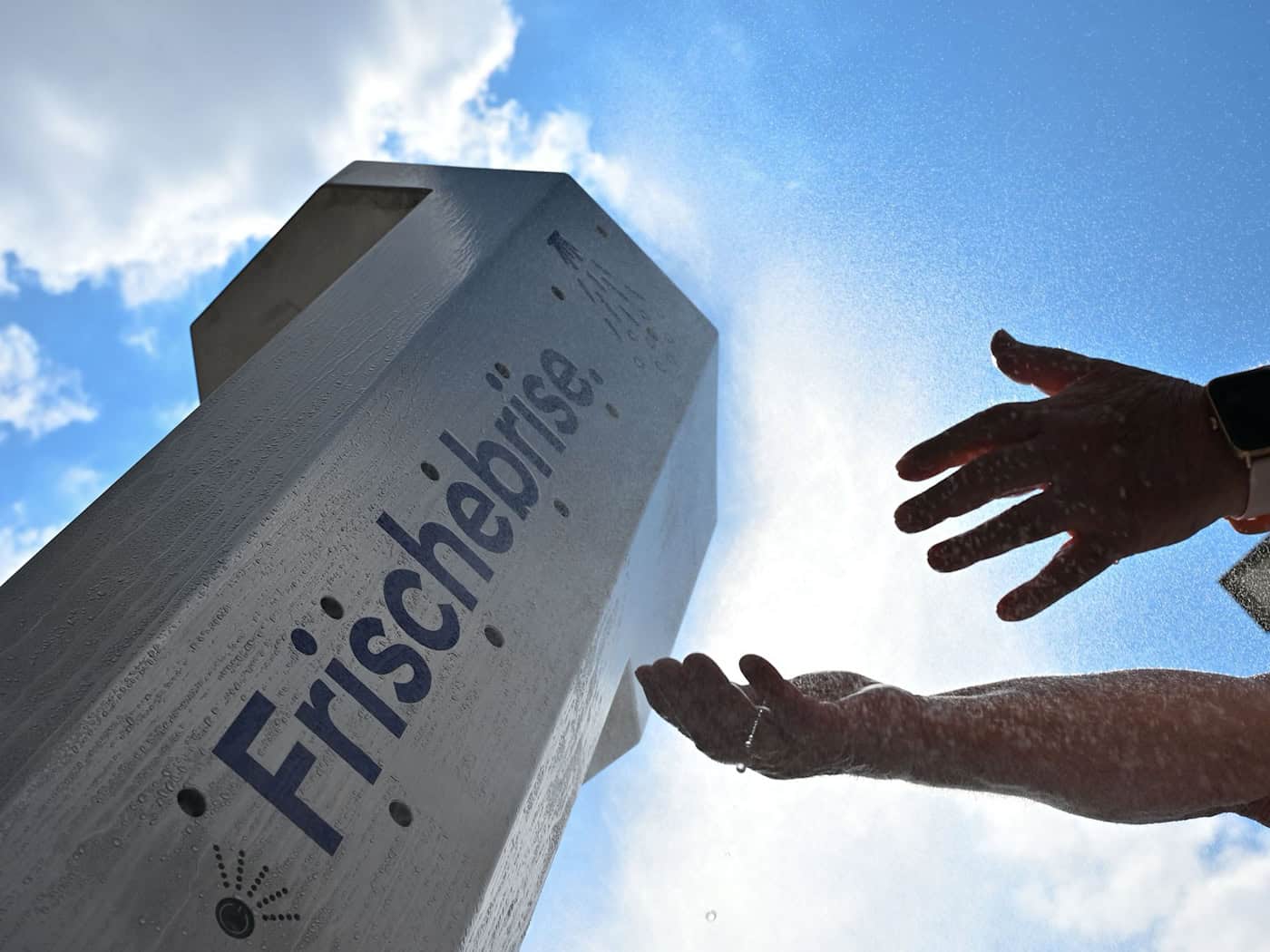
According to The Left, Saxony urgently needs an action plan for heat waves. In a motion submitted to the state parliament, the government is called upon to develop such a statewide plan, the Left parliamentary caucus announced. Warnings should be centralized, and citizens should be informed about safety tips, points of contact, cooling centers, and emergency contacts. In addition, the Free State is called upon to support its municipalities in developing their own heatwave action plans. Drinking water fountains, shade structures, soil de-sealing, urban greening, misting systems, and cool, publicly accessible rest areas should be promoted. Minimum standards should apply to hospitals, nursing homes, daycare centers, and schools—for example, regarding green spaces and biodiversity. “The temperature is the same for everyone—and yet how well we can cope with a heat wave depends heavily on our living conditions. ‘No escape from the heat’—we refuse to accept that. Everyone should be able to protect themselves, just as everyone has the right in winter not to have to suffer from the cold,” said parliamentary group leader Susanne Schaper, explaining the rationale behind the proposal. Schaper pointed to long and intense heat waves, which pose a major health risk. “They primarily affect children, the elderly, those in need of care, the chronically ill, the homeless, and people with disabilities. People who perform heavy physical labor outdoors or live in shared housing are also particularly at risk.” These groups face an increased risk of suffering from cardiac arrhythmias, circulatory failure, and respiratory distress. The Left Party cited estimates from the Robert Koch Institute, according to which there were 230 heat-related deaths in Saxony by mid-year. Last summer, 6,300 people across Germany died as a result of extreme heat. “It is high time that our state prepares itself for heat,” Schaper concluded. Currently, only five municipalities have a heat action plan; others are working on one or are implementing individual measures or climate adaptation strategies. However, this must be documented and coordinated on a statewide basis. “Urban green spaces are essential for heat protection, health, biodiversity, and environmental justice. Depending on their location, urban trees can lower the temperature in pedestrian areas by up to 12 degrees Celsius,” Schaper emphasized. Nevertheless, land continues to be paved over, especially in densely built-up urban neighborhoods that are already heating up more rapidly. Copyright 2026, dpa (www.dpa.de). All rights reservedState to Support Municipalities in Developing Their Own Action Plans
Heat waves pose a major health risk
Only five municipalities in Saxony have a heat action plan

