


Pheasants also add to the charm of Moritzburg
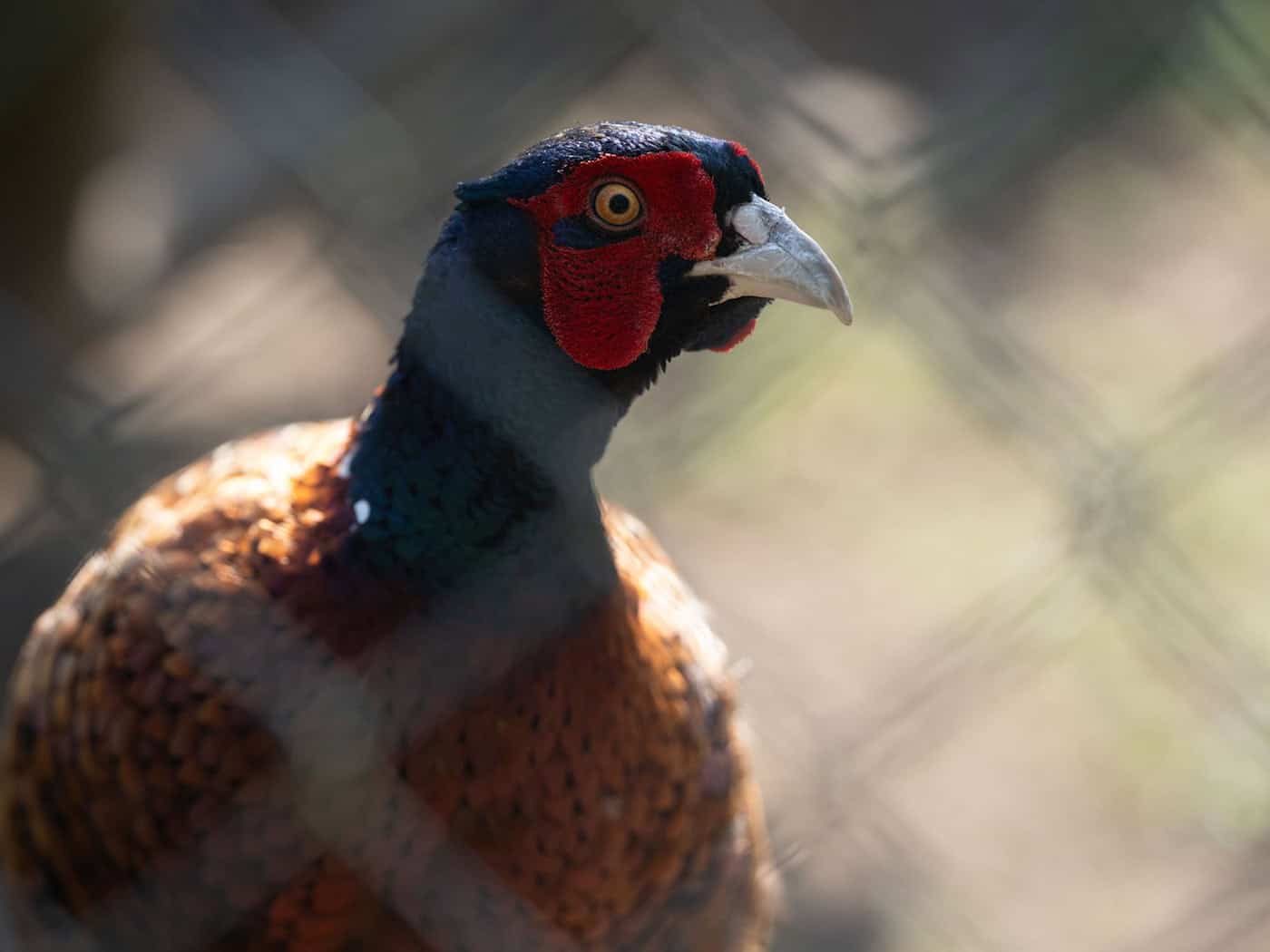
Visitors to Moritzburg near Dresden are treated to a wealth of experiences in every season—from history and culture to nature and culinary delights. The “wow” factor sets in as soon as you approach from the south. Even from a distance, you can see the Baroque hunting lodge. The builders had designed it to be visible along sightlines. From the east side of the castle, you can see the Fasanenschlösschen, located one and a half kilometers away, through a clearing in the forest. Situated a short distance away, Saxony’s smallest castle stands in the shadow of its larger counterpart, which is perched in the middle of a castle pond—although the pond is currently shrinking due to drought. With its own miniature harbor and Saxony’s only lighthouse, the grounds surrounding the Fasanenschlösschen served as a venue for lavish celebrations during the time of Augustus the Strong and his descendants. Naval battles were even reenacted here to entertain the courtly audience. The origins of the Moritzburg Pheasant Garden date back to the year 1728. It was intended to breed pheasants for the royal table. The grounds were devastated during the Seven Years’ War. But later, they experienced a renaissance. Camillo Count Marcolini—the chief chamberlain and childhood friend of the young Elector Frederick Augustus III—leased the garden and had a small summer palace built there in the Rococo style. Today, with an area of 180 square meters, it is considered a “paradise in a nutshell.” After 1815, intensive pheasant breeding came to an end, and only noble pheasants and other exotic birds were kept. The garden remained the property of the Saxon royal family until 1945. Today, it is largely owned by the Free State of Saxony. Between 2010 and 2013, the exotic and unique wall hangings made of feathers, straw, beads, and embroidery were restored—a feast for the eyes. Today, weddings are held here regularly. The pheasantry, too, is once again bustling with life. Frank Knecht, 66, took over the facility in 2022 after it had stood vacant for a few years. For Knecht, the grounds surrounding the little castle are familiar territory. His grandmother lived in one of the Marcolini houses. When she died, he moved in with his wife and child. As a trained carpenter, he had also worked at the Baroque Moritzburg Palace. While doing so, he received an offer to stock the six remaining aviaries with pheasants. “I love everything here,” says Knecht, letting his gaze wander over his little pheasant kingdom. Each aviary is home to three pheasants—usually one cock and two hens. Knecht loves the variety. He has posted information about his charges on one wall. These include the diamond pheasant, the common pheasant, the Swinhoe’s pheasant, the golden pheasant, and the royal pheasant. “These are all birds that look just like this in the wild,” emphasizes the Saxon. The animals were not bred to be “colorful.” Pheasants are, in fact, immigrants from Asia. Their original range extended from Central Asia to China. The Romans introduced the pheasant to Europe. “In Germany, four main species of pheasant were introduced: the Bohemian pheasant, the Chinese pheasant, the Mongolian ring-necked pheasant, and the Japanese variegated pheasant,” according to a fact sheet from the state-run enterprise Sachsenforst. A pheasant can run much better than it can fly. That’s why hunters also call it an “infanterist.” Unlike his predecessor, Knecht doesn’t raise pheasants for restaurants. He views his involvement purely as a hobby. He’s also happy to give the birds to like-minded people or release them into the wild. In any case, not all of Knecht’s pheasants are housed in aviaries. Outside, several hunting pheasants roam freely and also enjoy using the feeding station on the grounds. In the evening, they all perch on poles or in elevated spots—predators lurk on the ground. Foxes, raccoon dogs, or birds of prey—the pheasants’ lives are threatened both on the ground and from the air. At night, they have to climb up into the tree, says Knecht. This is called “rearing up.” That’s why the young pheasants’ wing feathers grow first. “They have to get up there in a flash.” You can see this in other gallinaceous birds as well, such as his bush chickens. “When chicks hatch, it doesn’t take long before the mother leads them up to the tree. She shows them how it’s done.” Margitta Hensel, curator of Moritzburg Castle, raves about the entire complex. After all, she notes, it is the last pheasantry in Germany whose basic structure has been preserved. They would love to restore everything in its entirety and thus make it possible to experience it once again as a total work of art. But in times of tight budgets, even the Saxon Palace Administration can only aim low. Christian Striefler, head of the State Palaces, Castles, and Gardens in Saxony, points out another difficulty. “It would, of course, significantly enhance the visitor experience from a historic preservation perspective. However, restoring the site to its historically documented condition is difficult due to the fragmented ownership situation resulting from the land reform after 1945. Many parcels of land are not owned by the Free State.” The Saxon Real Estate and Construction Management Agency notes that, as a first step from 2017 to 2020, the historic walls of the Fasanengarten were repaired and the canal system between the Upper Großteich and the Venus Fountain was renovated. According to Striefler, there is no estimate of what the complete restoration of the Fasanerie would cost. However, he estimates the total to be significantly more than six million euros. Nevertheless, the revival of the Baroque Fasanerie remains a vision. Striefler views the properties in Moritzburg as a unified whole and would like to take the entire cultural landscape into account. “The indoor and outdoor spaces will interact much more closely, and perhaps one day ‘naval battles’ will be reenacted in miniature on the large pond,” he says, describing a dream. Copyright 2026, dpa (www.dpa.de). All rights reservedPheasant Breeding for the Royal Table
Profession: Carpenter, Calling: Pheasant breeding
Pheasants originate from Asia
Pheasants Threatened by Predators from the Air and on the Ground
Restoration of the entire complex remains a pipe dream for now

