


2026 Vintage: A Small but Excellent Vintage
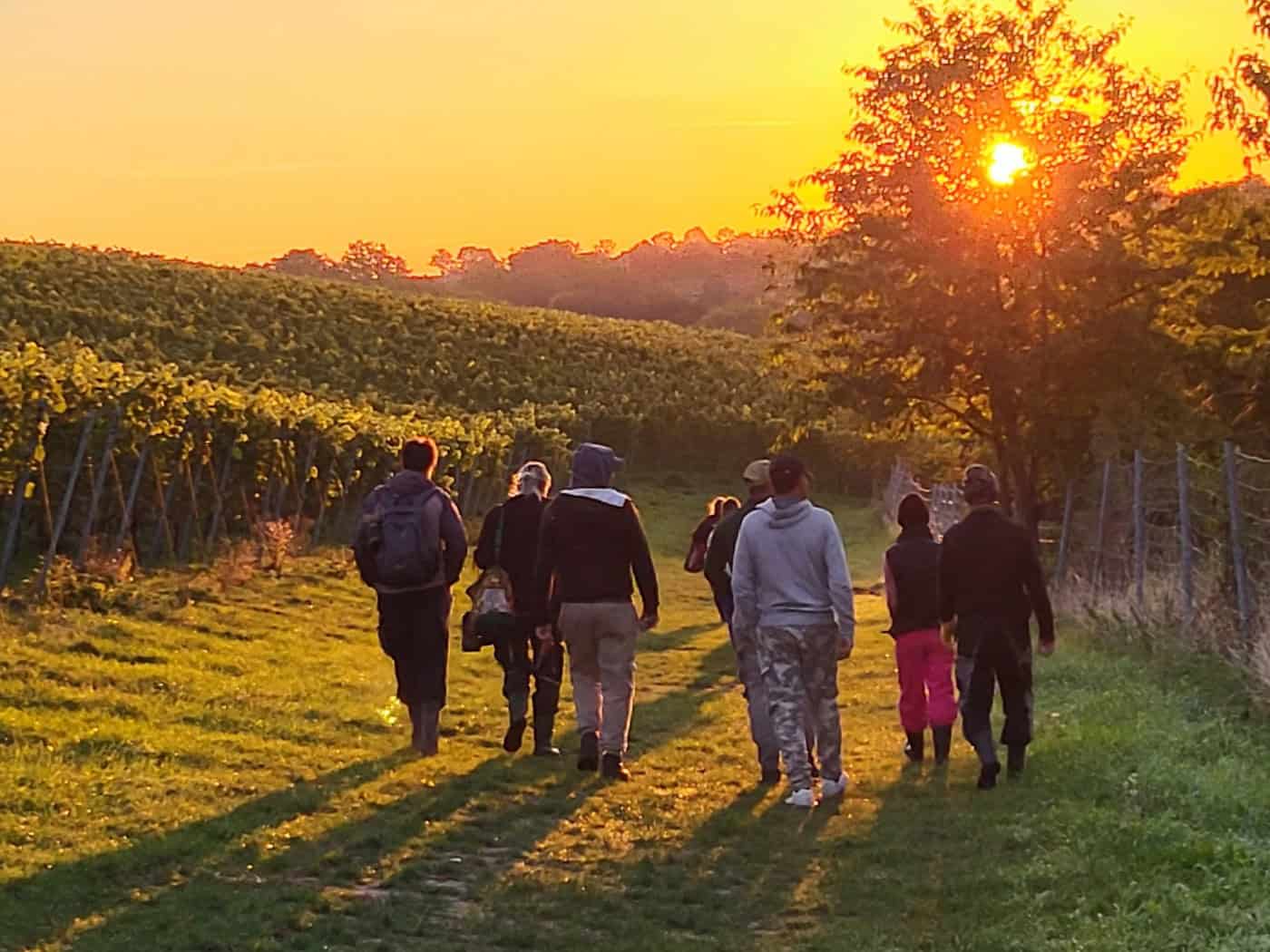
Following a historically early start on August 20, 2026, the grape harvest at the VDP winery Schloss Proschwitz Prinz zur Lippe has ended in September for the first time ever. Fully aromatic and nearly 100% healthy grapes were harvested from over 50 vineyard plots that have been organically farmed since 2021.
From a viticultural perspective, the year 2026 was marked by extreme heat and drought in the summer. Due to the hot and dry weather, the berries developed rapidly but remained small, resulting in very low grape weights. Winery Manager Björn Probst: “Thanks to our targeted manual labor and increased use of various plant extracts (including stinging nettle, field horsetail, and valerian flower), we were able to harvest the first ripe and very aromatic berries as early as August.”
Despite the healthy grapes, the low cluster weights resulted in a very small harvest of approximately 260,000 kg. Instead of the normal average berry diameter of 8 mm, this figure was 5 mm in 2026, representing only a quarter of the typical volume.
Wine Princess Josephine Sander read at the Seußlitzer Closterberg with
About 20 harvest workers—at times supported by the winery’s six apprentices—harvested the high-quality sparkling and single-vineyard wines in record time. On September 29, the last Riesling and Traminer grapes were harvested at Saxony’s oldest terraced vineyard, the Seußlitzer Closterberg. Saxony’s Wine Princess Josephine Sander, who is in her third year of apprenticeship at Proschwitz, helped harvest the Auslese grapes on the final day of the harvest.
Moritz Prinz zur Lippe, a trained winemaker, student at BOKU Vienna, and designated successor to the winery, assisted cellar master Alexey Ryabov’s team with grape processing. “What surprised me most were the intense aromas and the flawless quality of the grapes! It was a lot of fun to be able to process such fantastic grapes with this team,” said Moritz Prinz zur Lippe.
Pét-Nat—a Challenging Apprentice Project Made from Red Elbling
A special feature of the 2026 vintage is the apprentice Pét-Nat project made from Red Elbling. In this process, young wine is bottled in sparkling wine bottles during the final stage of fermentation, where it develops perlage—just as in classic bottle fermentation. The apprentices filled a good 1,000 bottles of red Elbling by hand into sparkling wine bottles so that the wine could complete its fermentation there.
(Text and photo: Schloss Proschwitz)

