


Renewable Energy: Turning buildings into sources of clean power
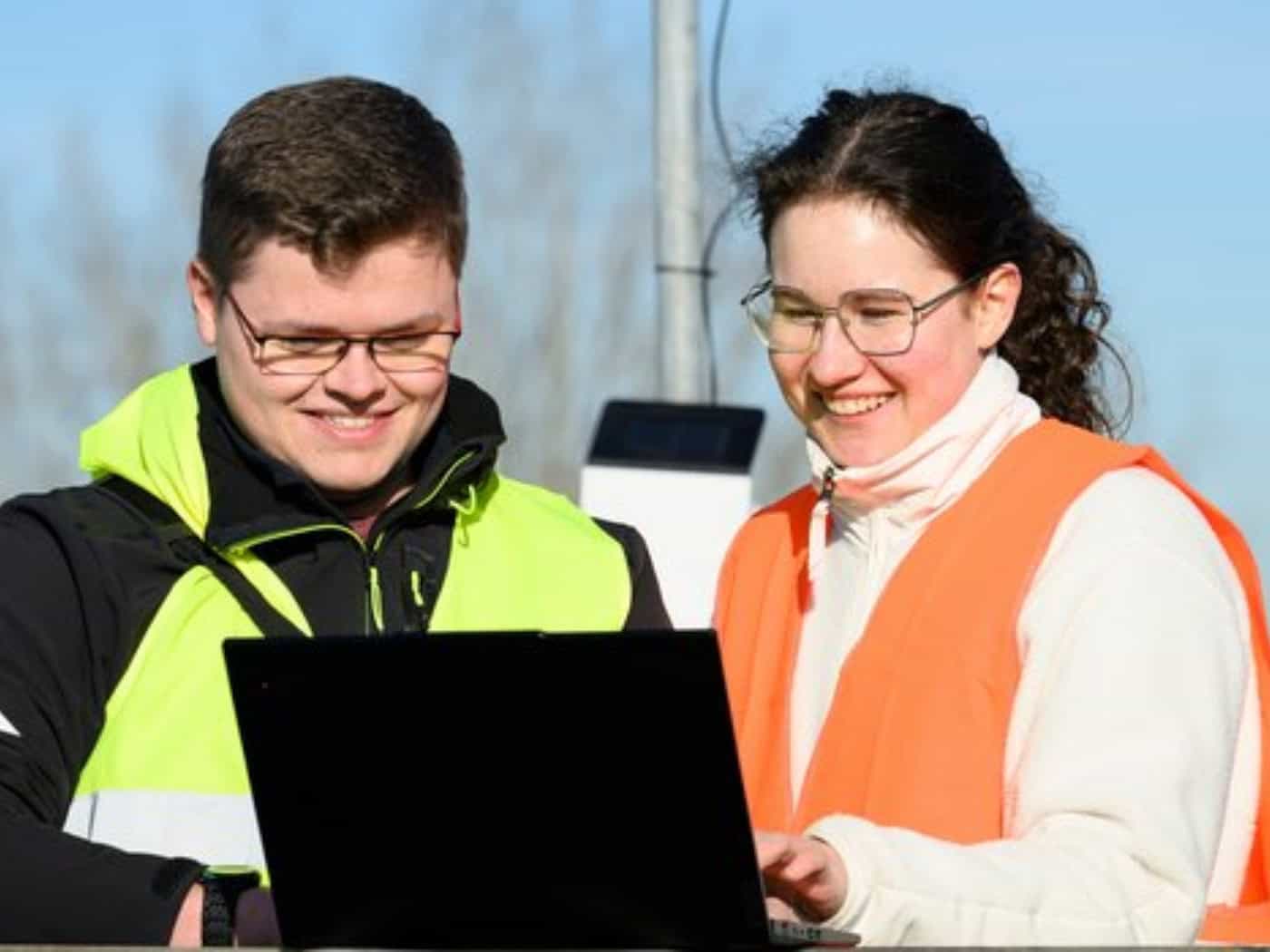
A parking garage that generates electricity. A noise barrier that provides solar energy. What still sounds unusual today is the focus of a research project at the Dresden University of Applied Sciences (HTW Dresden). The MUBARES early-career research group is investigating how structures can do more than just fulfill their intended purpose in the future – namely, supply renewable energy.
This could allow them to become part of a decentralized energy supply. The focus is not only on electricity but also on issues of climate resilience, cost-effectiveness, and the smart integration of renewable energy into existing systems.
“We no longer want to view buildings merely as passive infrastructure, but as active components of future energy systems,” says group leader Carolin Fischer. Existing buildings and infrastructure offer great potential for efficiently integrating renewable energy into urban spaces.
Smart Tool Calculates Potential
The team combines expertise in civil engineering, electrical engineering, economics, and building services engineering. A wide variety of structures are being studied. These include noise barriers and bridges that could be suitable for the integration of photovoltaic systems. Photovoltaic systems convert sunlight directly into electricity.
The parking garage at the Carl Gustav Carus University Hospital in Dresden has also served as a case study. To systematically evaluate the potential of various locations, the research group developed the SPAATA analysis tool. It calculates the amounts of energy that can be harvested from the sun and wind. In the long term, the software is to be released as a freely accessible open-source solution.
A Campus Building as a Test Lab
Currently, the group is focusing on Building A at HTW Dresden. There, the researchers are developing a prefabricated facade element using timber construction with cellulose insulation, an insulating material made from recycled paper. Photovoltaic modules, shading elements, and a decentralized partial air conditioning system are integrated into the facade. Heat is supplied via an air-source heat pump.
In addition, the team operates a wind measurement station on the roof. It is intended to demonstrate the actual potential for wind energy in inner-city areas. The final year of the project will focus on additional real-world examples. These include studies on wind energy potential at tank farms and cell towers. The Feldschlösschen Brewery in Dresden has already been secured as a partner.
The results of all case studies will then be evaluated in terms of sustainability, economic viability, and resilience. This will lead to the development of practical guidelines to support municipalities, planning firms, and companies in integrating renewable energy into buildings.

