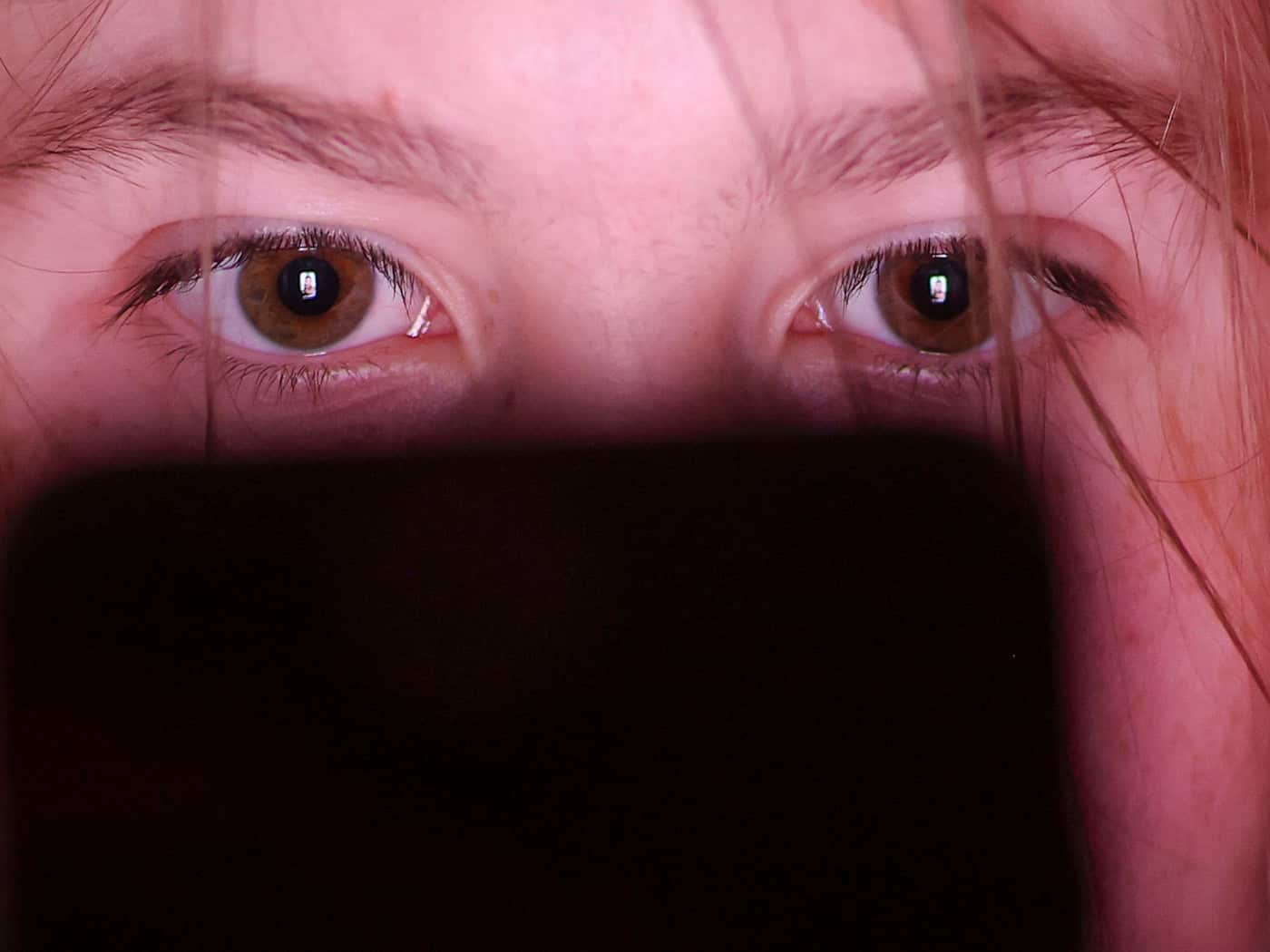
Children and adolescents should not get lost in the flood of media and should be better equipped to handle the risks. That is why girls and boys, parents, and teachers at Lessing Elementary School in Neukirch (Bautzen district) have developed guidelines for using digital media. The result is a set of rules and recommendations for a sensible, safe, and health-conscious use of these media, which were presented in Neukirch. “Children are growing up with social media, and it’s our job not to leave them to fend for themselves. What has emerged in Neukirch shows how much potential schools have when given the space to do so,” explained Patrick Schreiber, President of the State Office for Schools and Education. The goal is to learn sensitivity online—not just through rules imposed from the outside. In Saxony, the use of personal cell phones in schools is prohibited through 8th grade. The project was made possible with support from the Techniker Krankenkasse (TK). It refers to the findings of a TK social media report titled “Youth Between ‘Like’ and ‘Limit.’” In the online survey, 1,400 young people nationwide between the ages of 12 and 17 were surveyed in April and May of this year. According to the health insurance provider, the results painted a nuanced picture. “80 percent of young people say that social media is good or somewhat good for them. At the same time, the survey shows that adolescents who use social media for four hours or more a day are significantly more likely to experience health issues than those who use it for one to two hours a day,” the report stated. According to TK, 49 percent of adolescents who use social media for at least four hours a day reported being in a bad mood often or constantly. In the comparison group with one to two hours of daily use, the figure was 20 percent. Sleep problems and headaches were also more common with longer usage. However, a causal relationship cannot be inferred from the survey data. A blanket ban on social media would not be effective enough. Children need media literacy and guidance from adults. “The media guidelines at Lessing Elementary School show how health promotion can succeed in everyday life. Children often know themselves that digital media isn’t always good for them. However, they need support to manage their media use and make good decisions,” emphasized TK State Director Alexander Krauß. “When schools and parents work together, children can gradually develop a self-determined and healthy approach to digital media.” Jointly developed guidelines provide direction “Children, parents, and teachers have worked together to determine what is important to them when it comes to using digital media and what they need for a positive school day. The printed guidelines highlight what we’ve developed together—and they provide us with a clear framework for the future,” emphasized Cathrin Goldberg, principal of Lessing Elementary School. The project also included professional development for teachers. Florian Buschmann, psychologist, author, and founder of the prevention initiative “Offline Helden,” supported the project alongside sports scientist Anne-Sophie Reißig and school social worker Maria Kirschner. Together, they supported the school in addressing the topics of media use, stress, and health promotion. “Prevention works especially well when children are taken seriously and actively involved,” Buschmann clarified. “It’s not about generally badmouthing digital media. Children should understand what’s good for them, where the boundaries lie, and how they can get support. The media guidelines create a common foundation for this in everyday school life.” Copyright 2026, dpa (www.dpa.de). All rights reserved“Children often know themselves that digital media isn’t always good for them”