

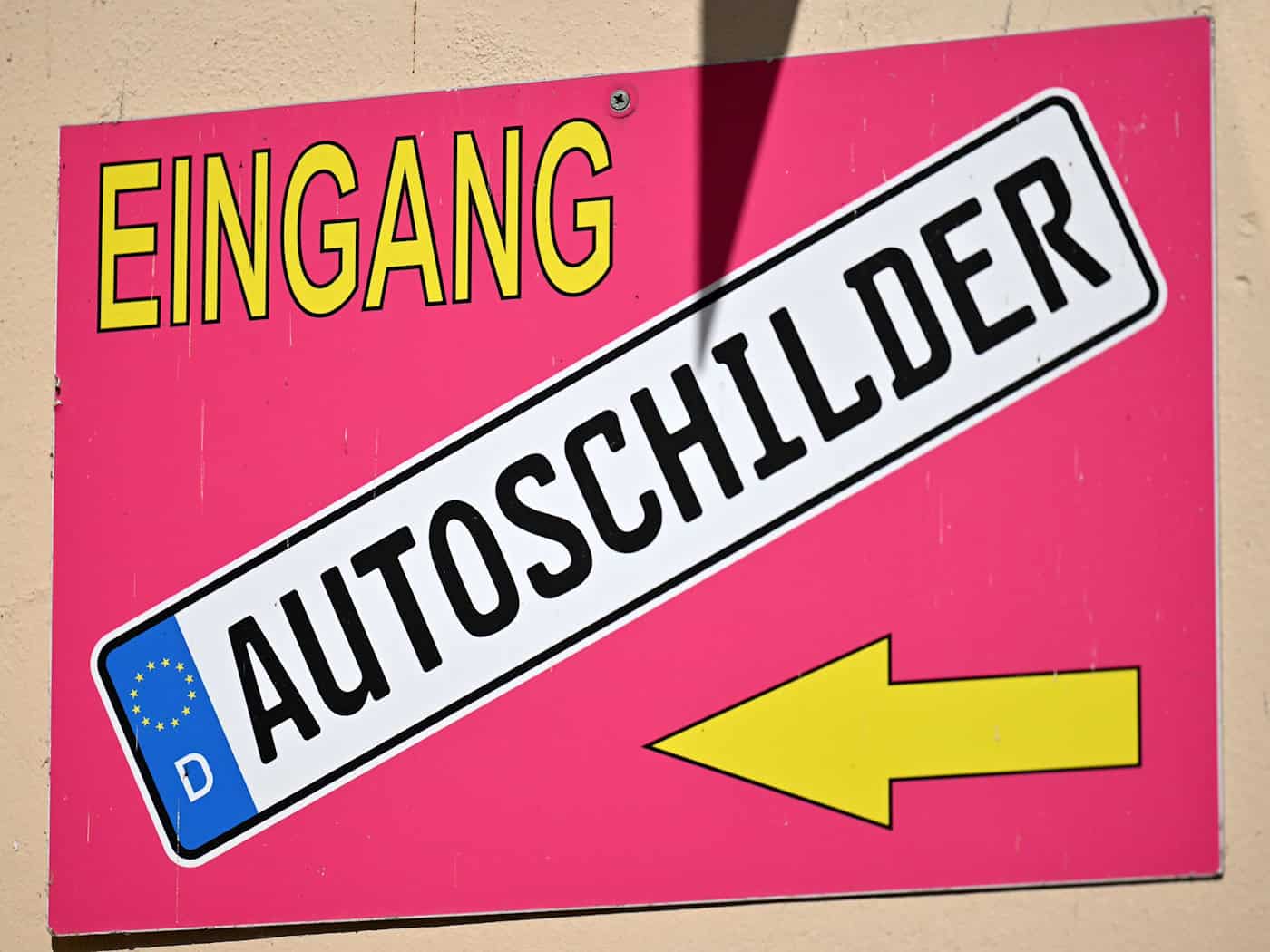
AU for Aue, HOT for Hohenstein-Ernstthal, NY for Niesky—reintroduced “local license plates” are also very popular in Saxony. As of January 1, more than one million (1,029,840 in total) cars, motorcycles, and trailers were on the road with these traditional letter combinations, according to a study by Heilbronn University based on data from the Federal Motor Transport Authority. Since 2012, rural districts and independent cities have been allowed to issue so-called “hometown license plates.” Since then, people in Saxony have once again been able to choose from 45 letter combinations that had previously been phased out—a choice that for many represents both nostalgia and a statement. According to the data, the most commonly issued combinations are currently KM for Kamenz (75,493), DW for Dippoldiswalde (56,438), and DZ for Delitzsch (54,917). According to the study, more than seven million vehicles with heritage license plates are on the road across Germany. The nationwide leader is “MO” for Moers, with over 128,000 plates issued. In total, there are around 59 million registered vehicles in Germany with approximately 800 different license plate codes. If the Bundesrat has its way, the system could become even more fragmented in the future if additional municipalities with at least 20,000 residents were to issue their own license plates. The Bundesrat passed a resolution on this matter at the request of Hesse and Lower Saxony and forwarded it to the federal government for implementation. It is not yet known whether the federal government will implement the proposal or when that might happen. So far, it has primarily been old license plate codes—those eliminated by territorial reforms—that have been reintroduced. There were restrictions involved—such as the requirement that a new, independent vehicle registration district be established. According to the states’ plans, this requirement is to be eliminated in the future. Copyright 2026, dpa (www.dpa.de). All rights reservedMore license plates soon?


