


Can We Learn from Bulgaria? Forum Focuses on Energy Storage
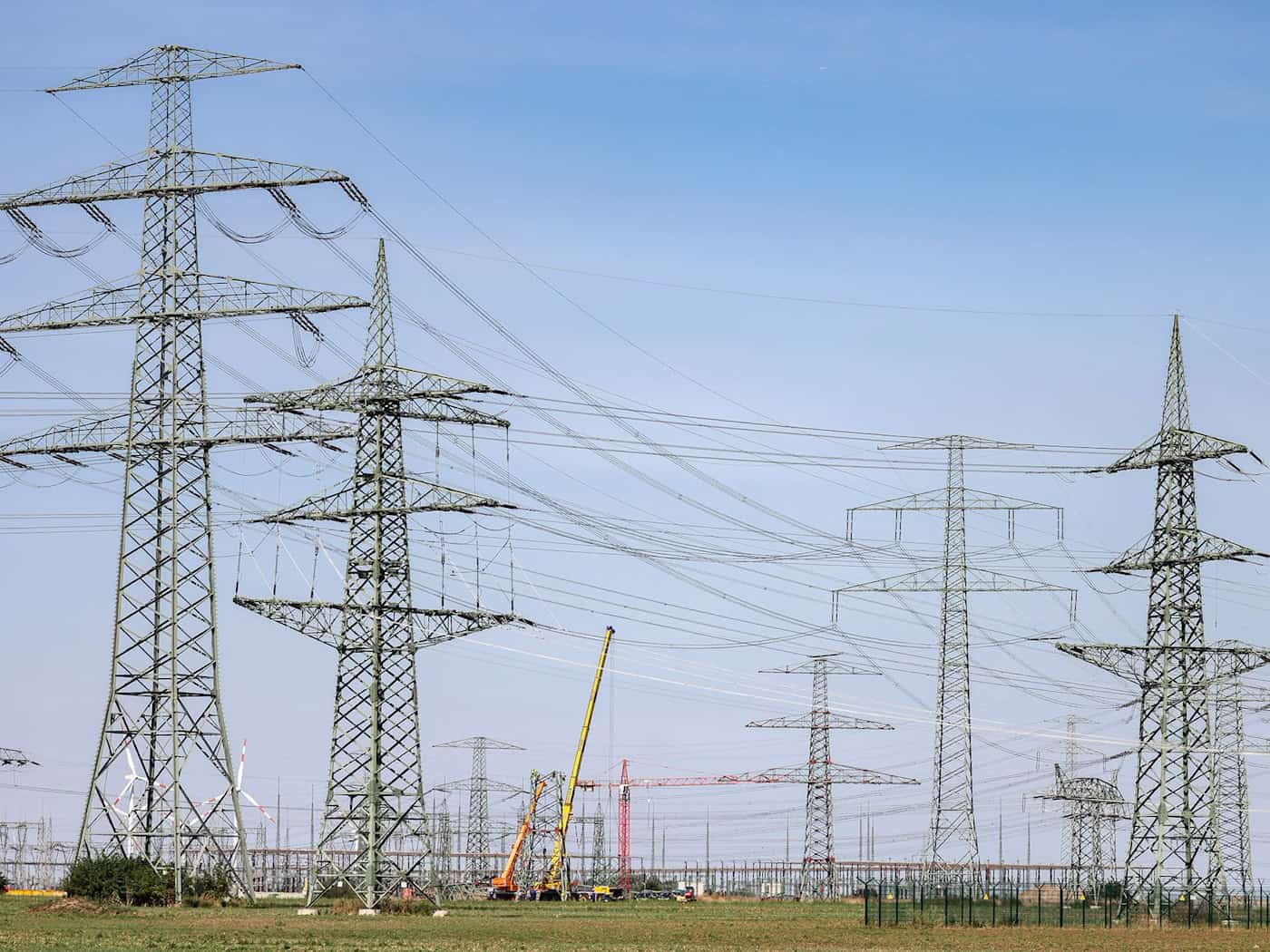
New wind turbines and solar power plants are being built, and at the same time, more and more battery storage systems are set to be connected to the grid. Experts in Leipzig will discuss how this can be achieved given the limited grid connection capacity in many areas at the East German Energy Forum on September 30 and October 1. The organizers noted that the event will also focus on security of supply. “What mix of renewable energy, storage, flexible consumers, gas infrastructure, and decentralized generation will keep the energy system stable without losing sight of costs?” For Germany as an industrialized nation, security of supply and affordability are crucial to the energy transition, explained Saxony’s Minister President Michael Kretschmer (CDU) in a statement regarding the meeting. In addition to climate protection, he noted, the costs of restructuring the economy and maintaining competitiveness must always be kept in mind. According to the information provided, more than 500 representatives from politics, the energy sector, industry, academia, and local governments are expected to attend the forum. They will also be looking beyond Germany’s borders—for example, to Bulgaria. The country is now considered the “battery of the Balkans” and ranks among the global leaders in integrating battery storage systems into the power grid, the statement notes. The forum will therefore discuss what Germany can learn from Eastern Europe regarding the energy transition. Another topic is the establishment of new data centers, as these require a great deal of electricity and correspondingly expanded grids. Under the title “Data Centers and the Energy Transition: Visions with Side Effects,” participants will discuss the conditions under which eastern Germany can benefit from the boom in artificial intelligence. At the same time, new mining projects in Lusatia, the Ore Mountains, and Saxony-Anhalt will be presented. These projects involve raw materials crucial for energy storage and digitalization—such as copper, lithium, and tin—and address the question of how domestic raw materials can contribute to new value creation in local industry. Copyright 2026, dpa (www.dpa.de). All rights reserved500 participants from politics, business, and academia

