


City honey from the ministry: Saxony's bees deliver a sweet harvest
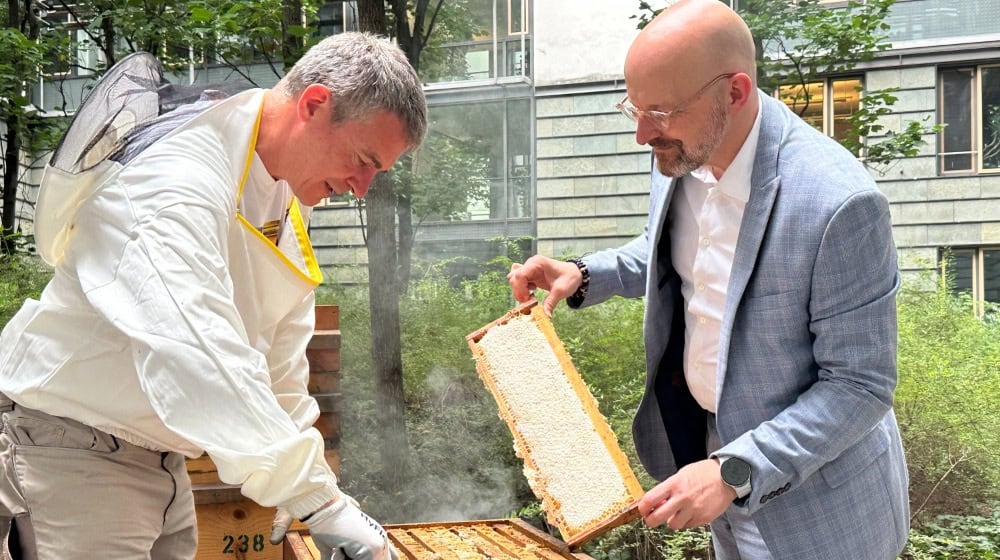
The courtyard of the Saxon Ministry of Economic Affairs in Dresden is buzzing - and not just symbolically. Eight bee colonies have been hard at work there again this year. Beekeeper Rico Heinzig's assessment is positive: "We were able to harvest an average of 30 to 40 kilograms of high-quality honey per colony."
The bees travel considerable distances in some cases - all the way to the Ostragehege, where there are particularly many lime and chestnut trees. "The location here is ideal," says Heinzig, who looks after a total of around 200 bee colonies between Meißen and Dresden. In the courtyard of the ministry, he relies on the particularly gentle Buckfast bee, a cross that was originally bred in an English monastery. "It is peaceful, efficient and ideal for the city."
Heinzig expressly emphasizes that city honey not only tastes good, but also has health benefits. "There is no spraying in cities - unlike on agricultural land. That's why city honey is often cleaner and healthier than some country honey." Pesticide contamination, which endangers bee populations, hardly plays a role in urban areas.
State Secretary Thomas Kralinski is also convinced by the project: "City honey stands for sustainability, biodiversity and a modern understanding of responsibility. It shows how administration can also live environmental education today."
The concern that bees could invade offices or sting employees has proven to be unfounded. "Not a single case - and the bees are peaceful and hard-working, just like us Saxons," says Heinzig with a smile. He himself has hardly been stung in all these years. "And if I have, then only by accident. The Buckfast is a gentle worker."
A small part of the honey harvest from the SMWA remains in the house. It will later be given away to guests of the SMWA as a small greeting from Dresden.
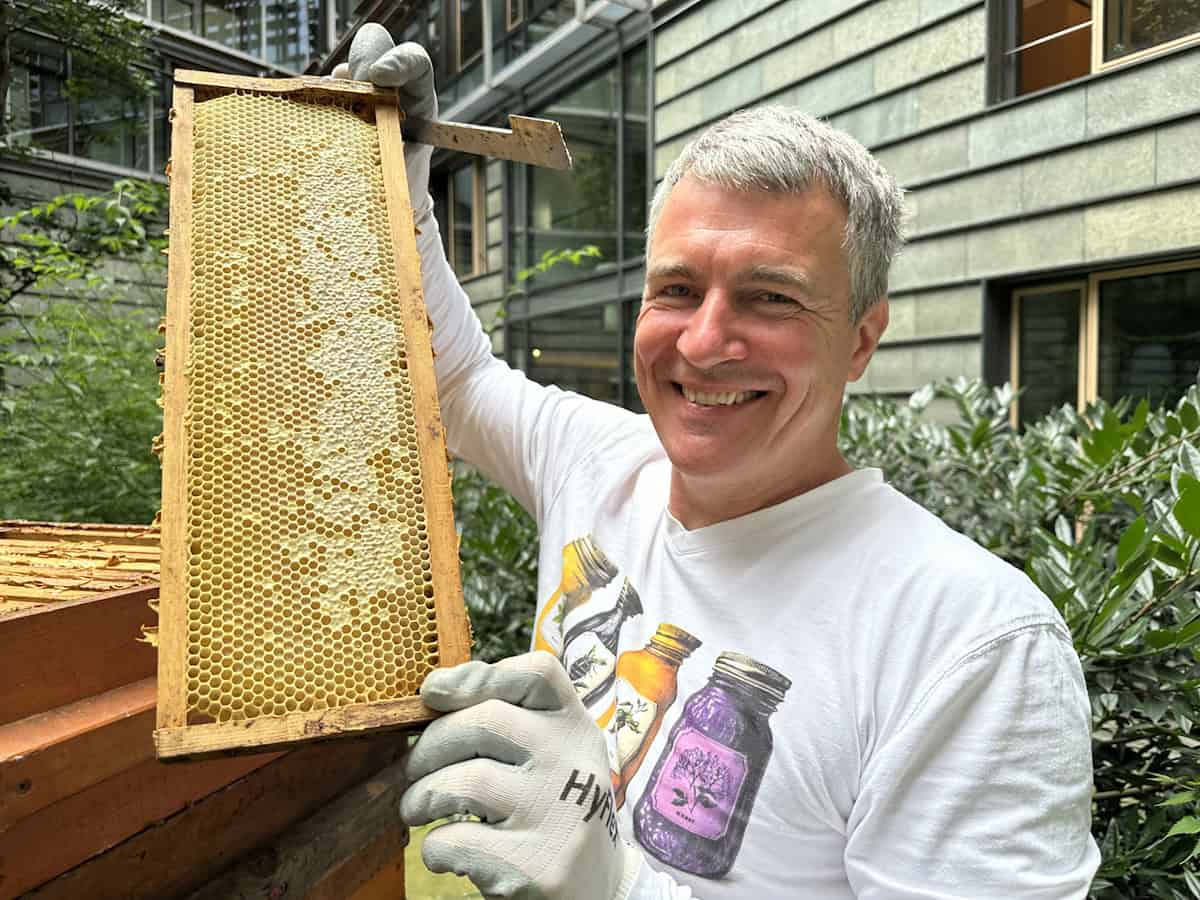
For Heinzig, beekeeping has long been more than just a profession. "Many people think it's complicated. But once you start, you stick with it. It's exhausting, but incredibly fulfilling." Even small details count: For example, he deliberately doesn't wear a ring in case he does get stung and his finger swells up - a practical tip based on the experience of over 200 colonies.

