


Forest Days Show: Nature Conservation and the Economy Go Hand in Hand
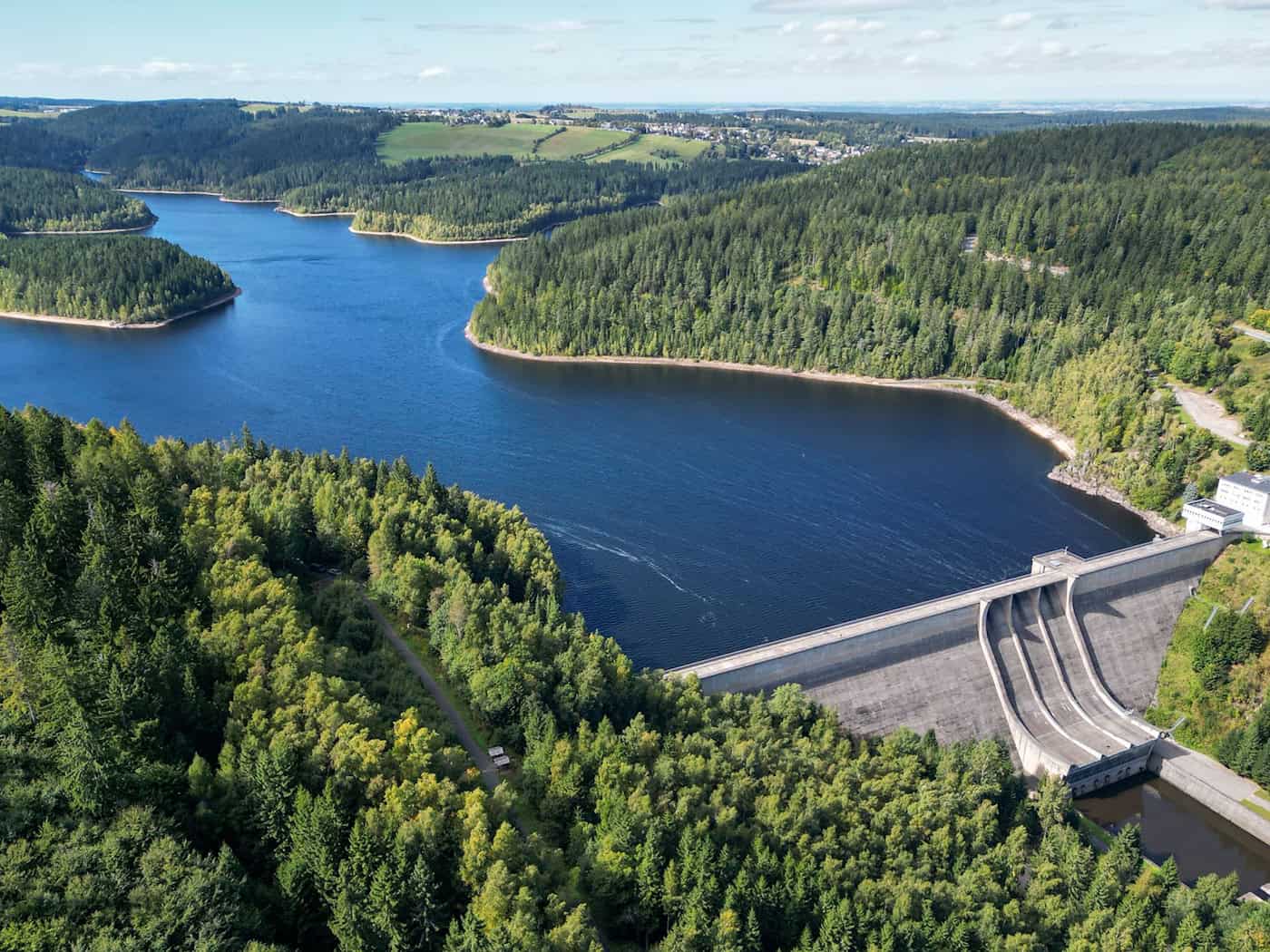
Recreation, nature conservation, a "green lung," and an economic factor: The forest is taking center stage this weekend. The German Forest Days, running through Sunday, aim to inspire people to appreciate this "impressive place," said Federal Forestry Minister Alois Rainer in the run-up to the event. It is an invitation to the forest for guided tours with foresters, family-friendly festivals, and tree-planting events, the CSU politician emphasized ahead of the opening of the Forest Days in Großpösna near Leipzig. “Using the forest means protecting the forest,” Rainer emphasized. To achieve this, species-rich mixed forests are necessary. The forest is also an economic factor that provides jobs and income for many people. With nearly 900,000 employees and annual revenue of more than 174 billion euros, forestry and the timber industry are, according to the data, significant economic factors in Germany, especially in rural areas. To provide a more detailed insight, all German forestry operations are hosting events under the theme “Forests and the Economy” through Sunday, explained Andreas Padberg, head of the Leipzig Forestry Operation. Many demands are placed on the forest: “It is meant to serve as a place of recreation, fulfills numerous nature conservation and cultural-historical functions, and must be preserved for future generations—but it must also be managed as a sustainable raw material.” In Großpösna, apprentices from the forestry operation will climb a tree and saw off rotten branches to secure the hiking trail running beneath it. In addition, climate-smart forest restoration will be demonstrated. Visitors will be guided to a forest area that was severely damaged by the storm in 2018. After the storm damage was cleared, numerous oak trees were planted there. “We know that the oak can better cope with heat and drought. With its deep roots, it can reach deeper water reservoirs,” explains Padberg. In its early years of growth, however, it often cannot compete with other species such as the birch. “In such cases, it’s important to harness the forces of nature while simultaneously intervening as humans to steer the process toward the desired goal.” Over the years, a mixed forest has thus developed, Padberg explained. Copyright 2026, dpa (www.dpa.de). All rights reservedAn Important Economic Factor
Protecting Trails and Restructuring Forests for Climate Resilience

