


Visible wind turbines can reduce support for the energy transition
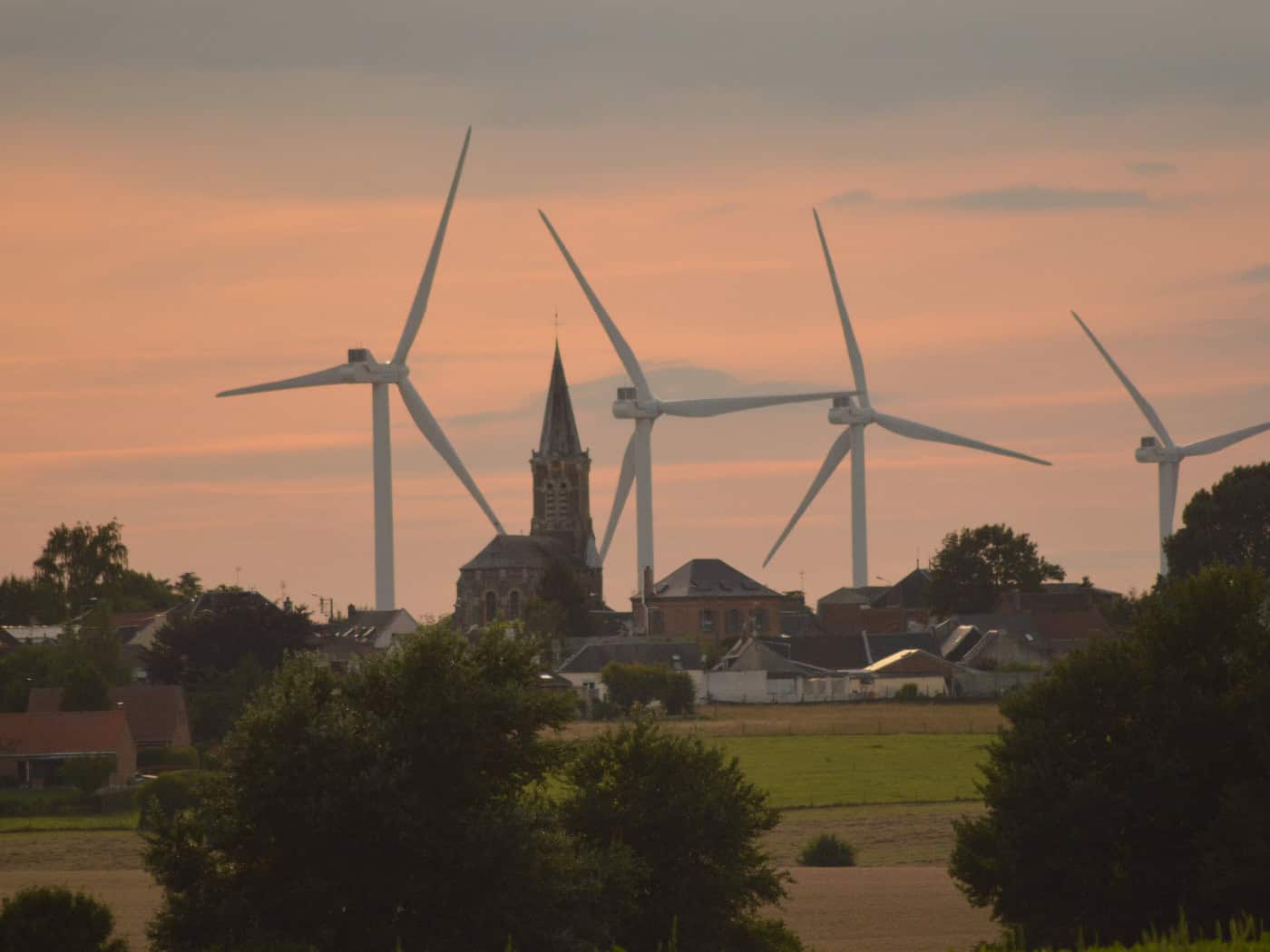
A wind turbine near one’s home can change one’s perspective on wind energy. For some, it is a sign of progress; for others, it disrupts the landscape. When wind turbines are visible, this can influence voting behavior. This is shown by a new study from the University of Leipzig.
Although the expansion of renewable energy in Germany is generally supported by a large majority, people living near wind turbines experience the energy transition firsthand. Researchers at the University of Leipzig investigated how visible wind turbines affected voting behavior between 1998 and 2021. As soon as wind turbines become visible from a residence for the first time, support for renewable energy can decline. However, this correlation only became apparent in the more recent study periods.
28,000 Wind Turbines in View
For their analysis, the researchers combined data on more than 28,000 wind turbines with geodata and election results. They calculated whether a wind turbine was visible from a residential area and tracked how support changed once a community could see a turbine for the first time.
A particular strength of the study was that it compared municipalities that could only see wind turbines in neighboring towns with geographically nearby municipalities that had no line of sight. This allowed the researchers to distinguish the influence of visibility from other factors, such as economic benefits or additional tax revenue.
“Our results suggest that the visual perception of wind turbines can influence attitudes toward the energy transition,” says Vincent F. Stegmaier, a research associate at the University of Leipzig. He notes that this correlation has grown stronger over time, paralleling the increasing polarization of the debate on wind energy.
Rural Regions Particularly Affected
Initially, the visibility of wind turbines had no measurable effect. In more recent periods, the share of the vote for parties supporting renewable energy declined as soon as a wind turbine became visible for the first time. This was particularly evident in rural regions and in areas where there was organized resistance to wind energy projects. Financial participation and economic benefits partially mitigated negative reactions.
“Our findings do not mean that people fundamentally reject renewable energy,” says Prof. Melanie Krause, who co-authored the study with Stegmaier. People tended to react more negatively when they perceived changes to the landscape without simultaneously benefiting from the advantages or having a say in the selection of turbine sites.
“The success of the energy transition depends on maintaining public support,” says Stegmaier. Local participation and more widely distributed benefits could reconcile climate goals with people’s concerns about their landscape.
Original publication:
Vincent F. Stegmaier, Melanie Krause: Headwind in sight? Wind turbine visibility spillovers and support for renewable energy policy,
Journal of Environmental Economics and Management, Volume 139, 2026.

