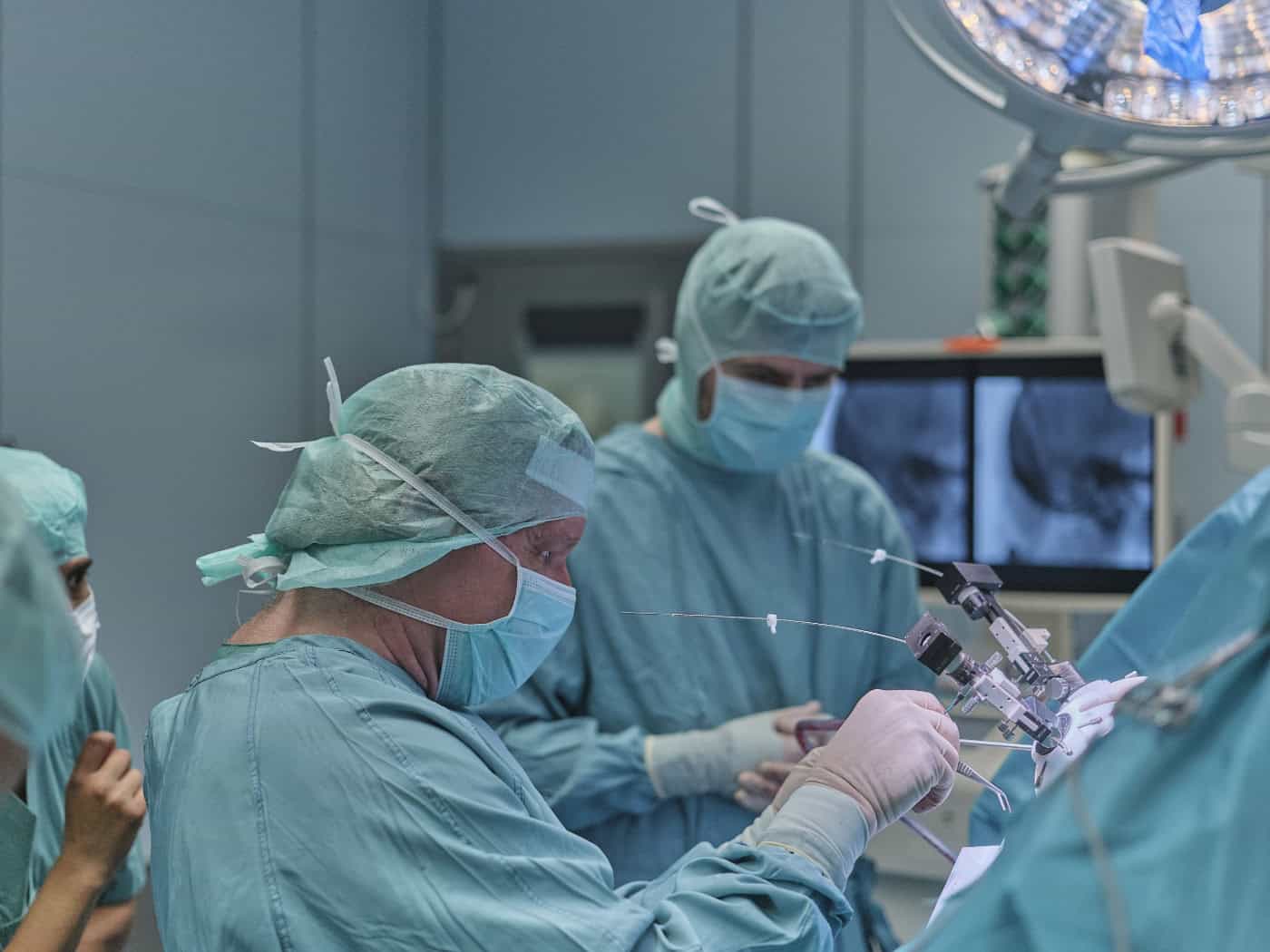
A brain is not a uniform object. Each one is shaped differently, each disease is located in a different place. Nevertheless, for decades patients were treated with standardized surgical aids - like human feet that are put into ready-made shoes. This is currently changing. And Leipzig University Hospital is one of the pioneers in Europe.
For around 20 years, Leipzig University Hospital has been using 3D printing in medicine. This results in devices and aids that are precisely tailored to the anatomy of individual patients. People with Parkinson's disease, for example, can benefit from deep brain stimulation. This involves placing electrodes precisely in the brain. In the past, standardized metal frames were used for this. Today, the UKL is developing customized 3D-printed plastic frames. They are lighter, more hygienic and enable particularly precise interventions.
"They serve as a precisely fitting placement aid for electrodes or biopsy needles and are unique and tailored to the anatomy of the respective patient. They allow interventions to be carried out with an accuracy of a tenth of a millimeter," explains Dirk Winkler, who is driving the development at the UKL. For patients, this often means shorter and gentler operations.





Data goggles in the operating theater
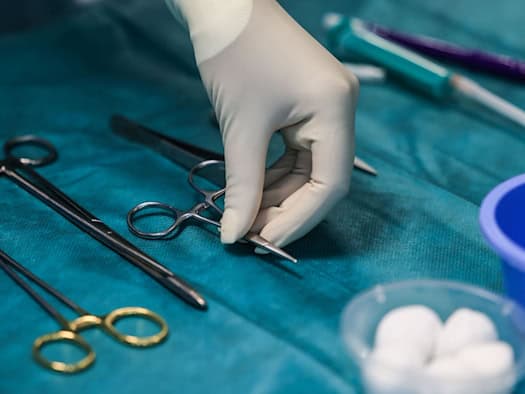
While 3D printing is already being used in various areas at the UKL, the team is now working on the next technology. Together with a few other centers in Europe - including Utrecht and Paris - Leipzig is researching the use of so-called spatial computing systems in the operating theatre. Data goggles and headsets project scan images, vital data and other information directly into the surgeon's field of vision.
"By allowing the user to call up information with their eye movements and operate autonomously with their hand at the same time, this technology significantly improves precise navigation during operations," says Ronny Grunert, describing the possibilities. In addition, operations can be simulated and prepared virtually. However, further approval and safety tests are still required before such systems can be used regularly in patient care. However, the researchers' goal is clear: to make operations more precise, gentler and safer.