


Extreme summers in Europe could become hotter and longer
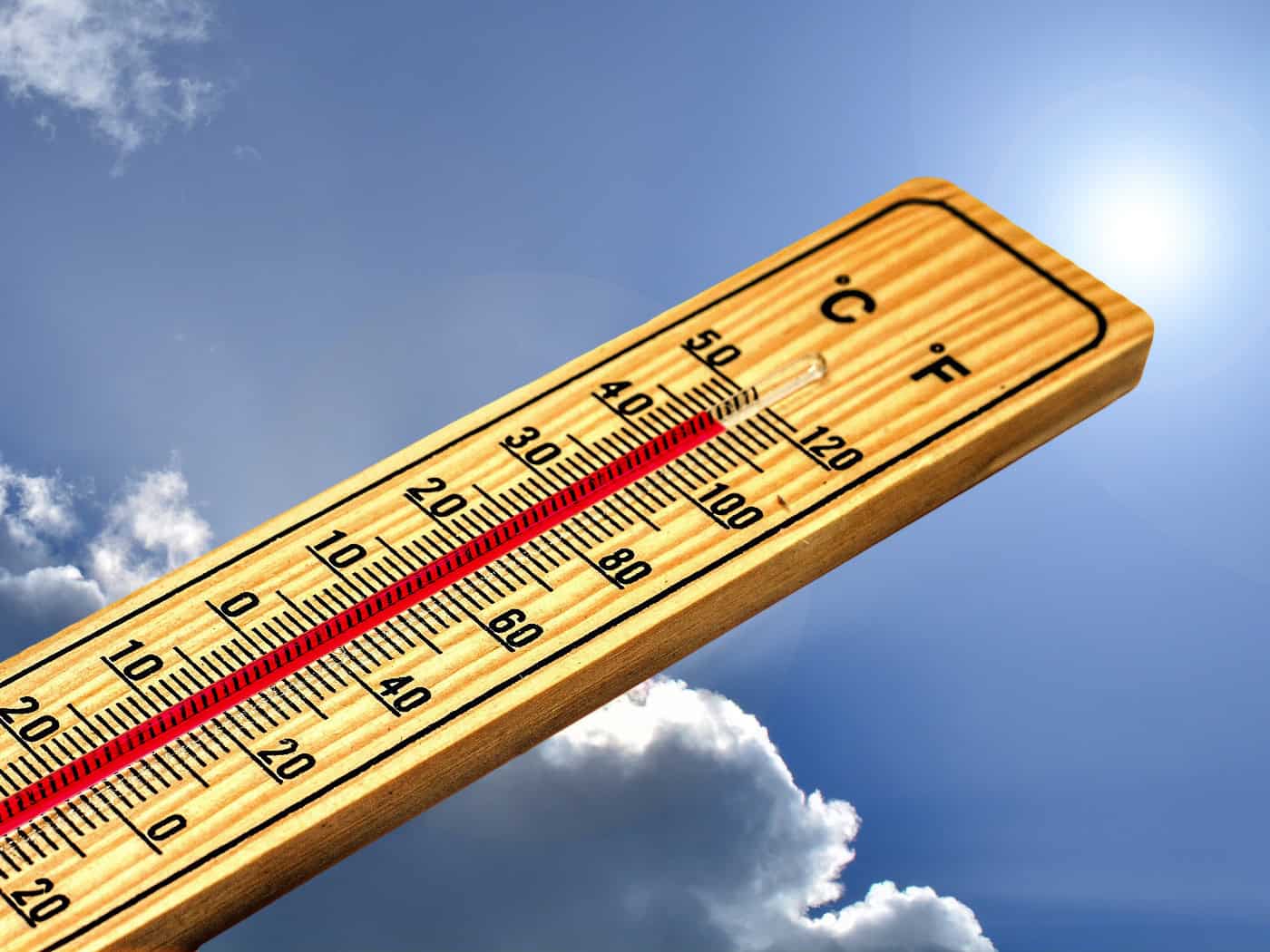
A summer in which the air shimmers and the nights bring no relief from the heat. Many people now know this from personal experience. Yet even the extreme summers of past decades may not yet reveal the kind of heat that is possible in today’s climate. The next extreme summer could surpass anything we’ve experienced so far. This is shown by a new study from the University of Leipzig.
The research team investigated what a so-called “century summer” might look like in today’s climate. This refers to an exceptionally hot summer that, statistically, occurs about once every 100 years. The study reveals that late summer, in particular, is warming significantly. In the part of Western Europe studied, the last week of July has warmed by 1.4 degrees more than the first week of June. At the same time, soils tend to be drier today.
“As a result, there is now a longer period in late summer during which favorable weather conditions, combined with very dry soil, can lead to extreme and prolonged heat,” explains Dr. Peter Pfleiderer, lead author of the study at the Institute of Meteorology at the University of Leipzig. This refers, for example, to prolonged high-pressure systems with little rain.
Dry soils exacerbate the heat
Under the climatic conditions of the years 1850 to 1900, “century summers” were very warm throughout the entire season. Today, they might start off comparatively cool and only become consistently hot in mid- and late summer. Extremely hot days also occur in more concentrated clusters. Today, particularly hot spells during a “century summer” can last about 39 percent longer than they did under pre-industrial conditions. Researchers expect heat waves to last about ten days at a time.
Soil moisture plays an important role. Moist soil uses some of the heat to evaporate water. If the soil is dry, this cooling effect is largely lost. The air then heats up more intensely. In “once-in-a-century summers,” the soil also dries out so severely earlier now that less water can evaporate. In the simulations, this condition is reached about five days earlier than under pre-industrial conditions.
An additional experiment demonstrates just how important dry soils are. When the researchers specifically selected particularly dry soils for their simulations at the start of summer, “once-in-a-century summers” occurred about four times more frequently in those simulations.
Many extreme summers simulated on a computer
To investigate such rare events, the researchers simulated many possible summers on a computer. They terminated calculations early if they did not develop toward extreme heat. This allowed them to compare “once-in-a-century summers” under current and pre-industrial climate conditions. The study defines these based on the average temperature over the entire summer.
However, the study is based on a single climate model. Further models are therefore needed to determine how robust the results are. In addition, the Leipzig researchers intend to investigate the influence of large-scale weather patterns on extreme summers and how “once-in-a-century summers” develop in other parts of Europe.
Original publication:
Pfleiderer, P., Noyelle, R., & Sippel, S. (2026). Heat extremes within hot summer seasons intensify more than in average summers under global warming. Earth's Future, 14, e2026EF008241.

