


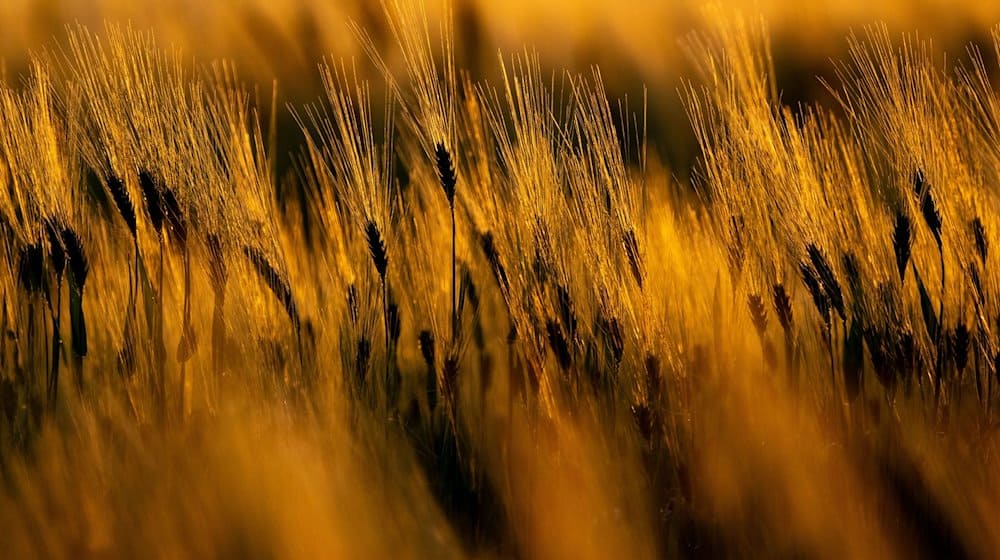
In the Upper Lusatian Heath and Pond Landscape biosphere reserve, the cultivation of old grain varieties has experienced a renaissance since 2007. More than ten such endangered indigenous crops have been tested in recent years, said Eva Lehmann, who is responsible for this project in the administration of the Unesco protected area. In addition, regional cycles for processing the grain have now been established. Nine farms, one mill, 16 bakeries, four breweries and one malthouse are involved as partners. According to Lehmann, six old grain varieties are being cultivated this year, including forest rye, old Pomeranian durum wheat and malting barley with illustrious names such as "Heines Goldthorpe" and "Dr. Francks Grannenabwerfende Imperialgerste". The project began in 2007 with Jäger's North German champagne rye on 0.5 hectares of arable land. By 2023, the area under cultivation covered a total of 188 hectares, having increased to 275 hectares in the meantime. In contrast to the breeds that are mostly used in agriculture today, old grain varieties produce lower yields, it was said. However, many of them can also cope with nutrient-poor soils, are weather-resistant and less susceptible to pests and diseases. By largely dispensing with mineral fertilizers and pesticides, wild herbs such as the corn cockle, which is rarely found in Central Europe, can develop on such fields. The Upper Lusatian Heath and Pond Landscape Biosphere Reserve is one of 18 such protected areas in Germany and the only one in Saxony. With an area of 30,000 hectares, it is one of the smaller of its kind, but is known for its rich biodiversity. More than 5,000 plant and animal species have been recorded in the reserve, including around 1,200 species on the Red List. Celebrations will be held from Friday to Saturday under the motto "30 years of the biosphere reserve - man and nature in transition" - including a festive event and excursions.
Copyright 2024, dpa (www.dpa.de). All rights reserved

