

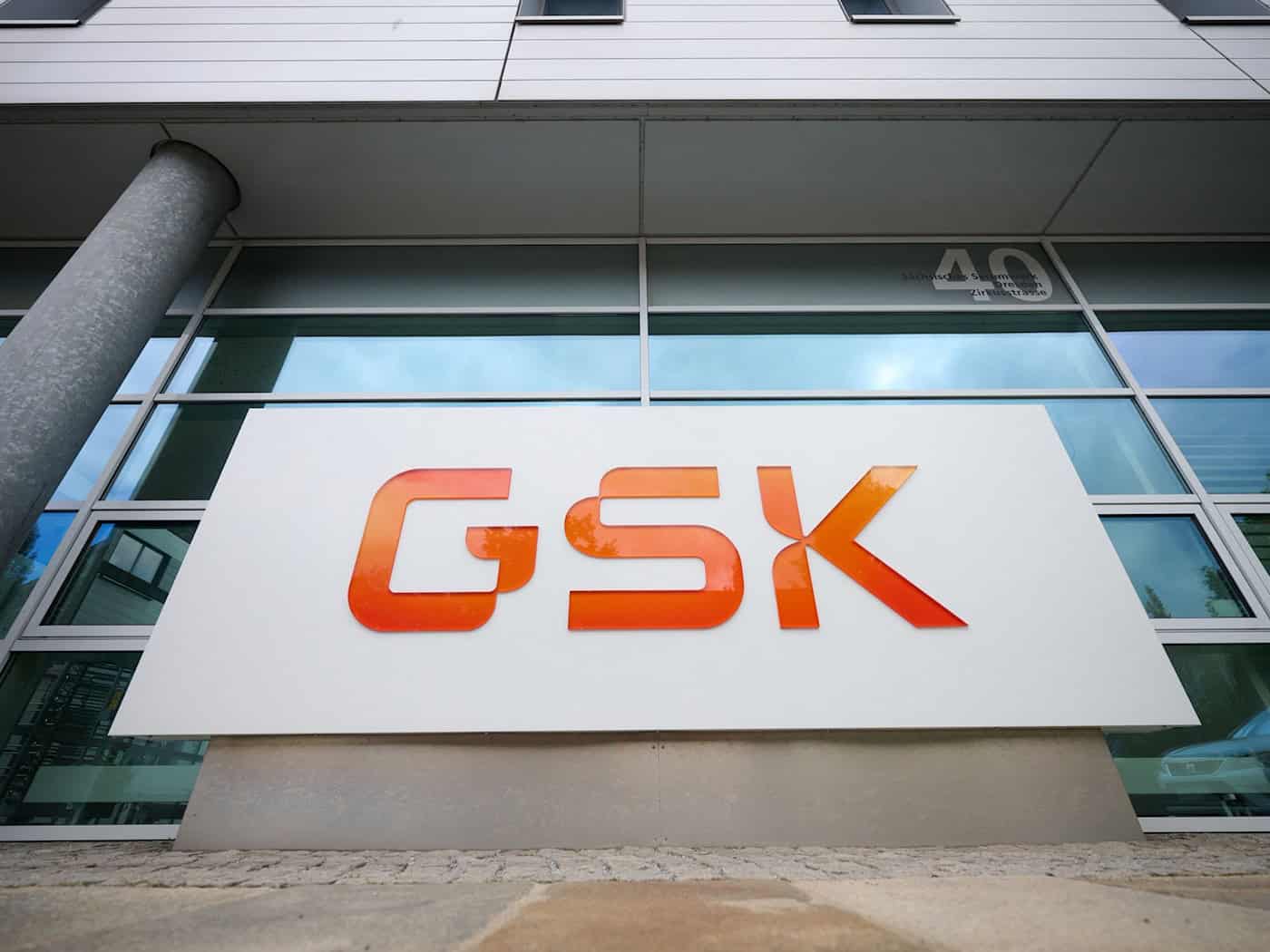
After 115 years, vaccine production in Dresden is set to come to an end. The pharmaceutical company GlaxoSmithKline (GSK) plans to close its Dresden facility, which employs nearly 650 people, by the summer of 2028. In the future, flu vaccine production will be consolidated at the Ste-Foy facility in Canada, according to a company spokesperson. The reasons cited are declining global demand and existing overcapacity. Entrepreneur Karl August Lingner, who made his fortune with the mouthwash Odol, founded the Sächsisches Serumwerk in 1911. This facility is the predecessor of today’s GSK plant. The company is committed to working closely with the Dresden works council and all employees and to providing tailored support measures, it said. The goal is to mitigate the impact on employees. “We are aware that this is very difficult news for our dedicated colleagues in Dresden,” the company said. The IGBCE union announced resolute resistance. With the closure, Saxony risks losing highly skilled industrial jobs and Germany risks losing important pharmaceutical production expertise, the union stated. “This news strikes us to the core,” said Peter Mißbach, works council chairman at the GSK site in Dresden. “We will fight for our jobs united, loudly, and resolutely.” For Saxony’s Minister of Economic Affairs, Dirk Panter, the company’s announcement came as a surprise. The Free State has developed into one of Germany’s most dynamic biotechnology regions in recent years, according to the SPD politician. He pointed to Dresden as a location with a long tradition. The state government will now seek dialogue with company management and employees, it was reported. CDU European affairs politician Oliver Schenk intends to raise the issue with the European Union. “We are currently working on the Critical Medicines Act to strengthen pharmaceutical and vaccine production in Europe and reduce our dependence on third countries. We cannot talk about pharmaceutical sovereignty and security of supply while at the same time losing existing production capacity and decades of expertise in Europe,” Schenk clarified. The city, the Free State, the federal government, and the European Union must work together with GSK to examine whether—and what—prospects exist for the Dresden site. GSK produces flu and hepatitis vaccines at its Dresden plant. According to earlier statements by the company, two million vaccine doses are produced per week. Germany remains an important market for GSK and a significant location within the company, the company said. It will be ensured that patients continue to have access to the vaccines. According to IG BCE, the planned closure of the GlaxoSmithKline plant has now resulted in the loss of 4,250 jobs in the industry in Saxony. “This shows just how dire the situation has become,” said Philipp Zirzow, district director of the IG BCE Saxony district. The union called on the company to suspend the closure plans, disclose the basis for its decision, and engage in serious negotiations with the works council and the union regarding alternatives. A joint summit on the plant’s future is expected from the federal government and the Free State of Saxony. Copyright 2026, dpa (www.dpa.de). All rights reservedUnion Announces Resistance
Flu and Hepatitis Vaccines


