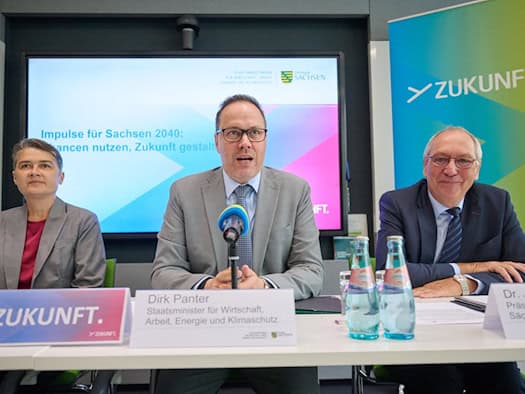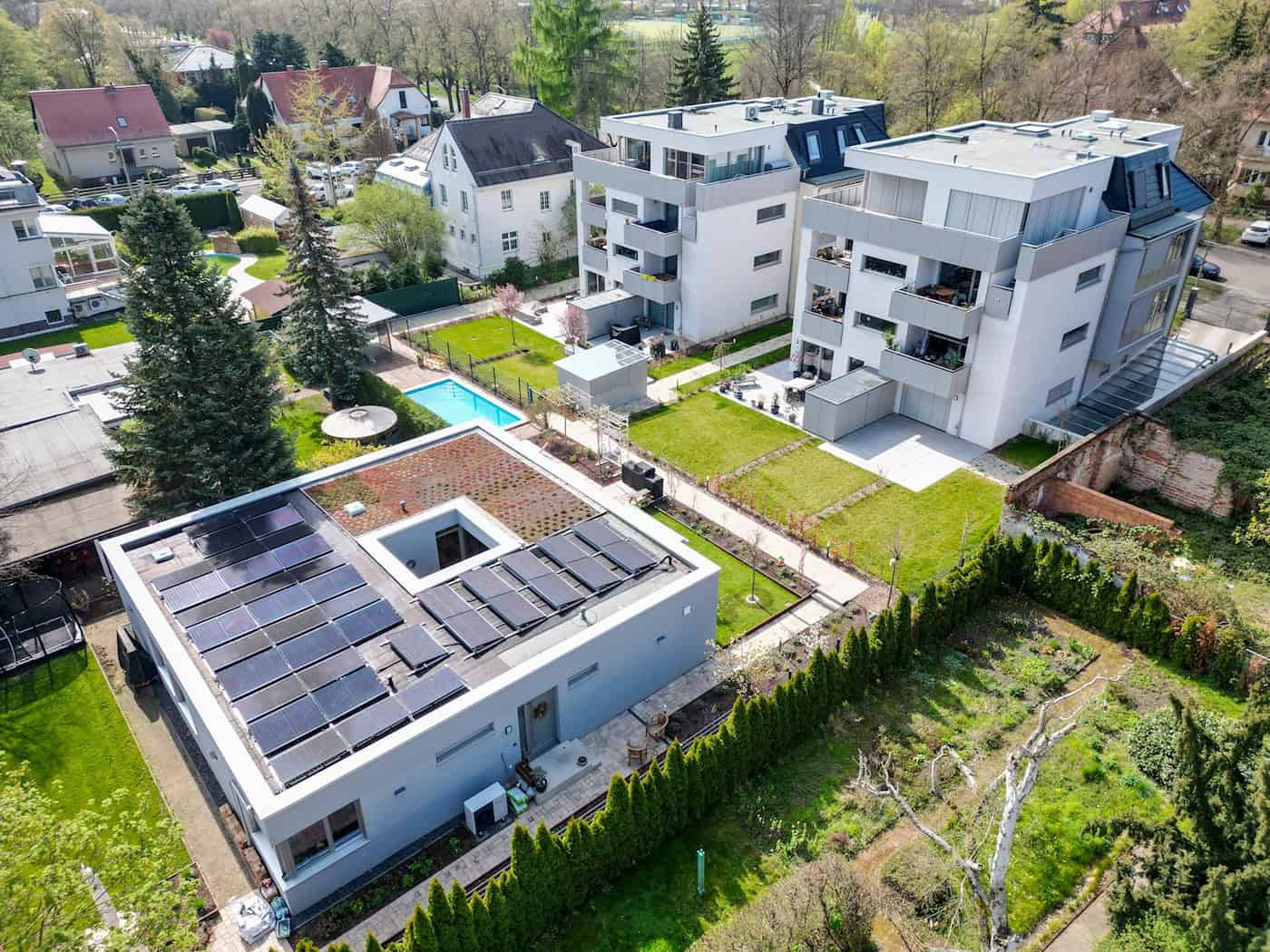
The German Association for the Environment and Nature Conservation (BUND) warns against disadvantaging small renewable energy projects. “An energy transition that relies primarily on a few large players fails to recognize the strength of our decentralized energy system. Citizen-led energy creates regional economic value, strengthens small businesses and the skilled trades, increases local acceptance, and makes our energy supply more independent and resilient,” explained Felix Ekardt, head of BUND Saxony. This comes in the wake of remarks by Saxony’s State Secretary for Economic Affairs, Sebastian Scheel, regarding the revision of the Renewable Energy Sources Act (EEG). He advocates giving priority in the future to grid connections for projects with high industrial value creation. BUND fears that this will cause “citizen-led energy” and smaller projects to fall behind. However, it was noted that these projects in particular are a key driver of the energy transition and deserve reliable framework conditions. Hundreds of thousands of citizens have significantly advanced the expansion of renewable energy in recent years through small photovoltaic systems on their roofs, energy cooperatives, and municipal projects, argues BUND. “This success story must not be jeopardized now.” Reliable framework conditions are needed for investments. “Grid bottlenecks must not be allowed to slow down citizen-led energy initiatives,” emphasized Ekardt. “Grid operators are now literally being inundated with connection requests. That is why it is time to enshrine in federal law a prioritization of grid connection capacity based on actual demand,” Scheel explained a few days ago. The current principle, which grants every business model a legal right to a connection, does not meet the requirements of a modern energy and industrial policy. Copyright 2026, dpa (www.dpa.de). All rights reserved“Citizen-led energy” must not be left behind
BUND: Don’t Jeopardize the Success Story
Lack of Capacity for Grid Connections