


Why hedgehog rescue centers in Saxony are so busy right now
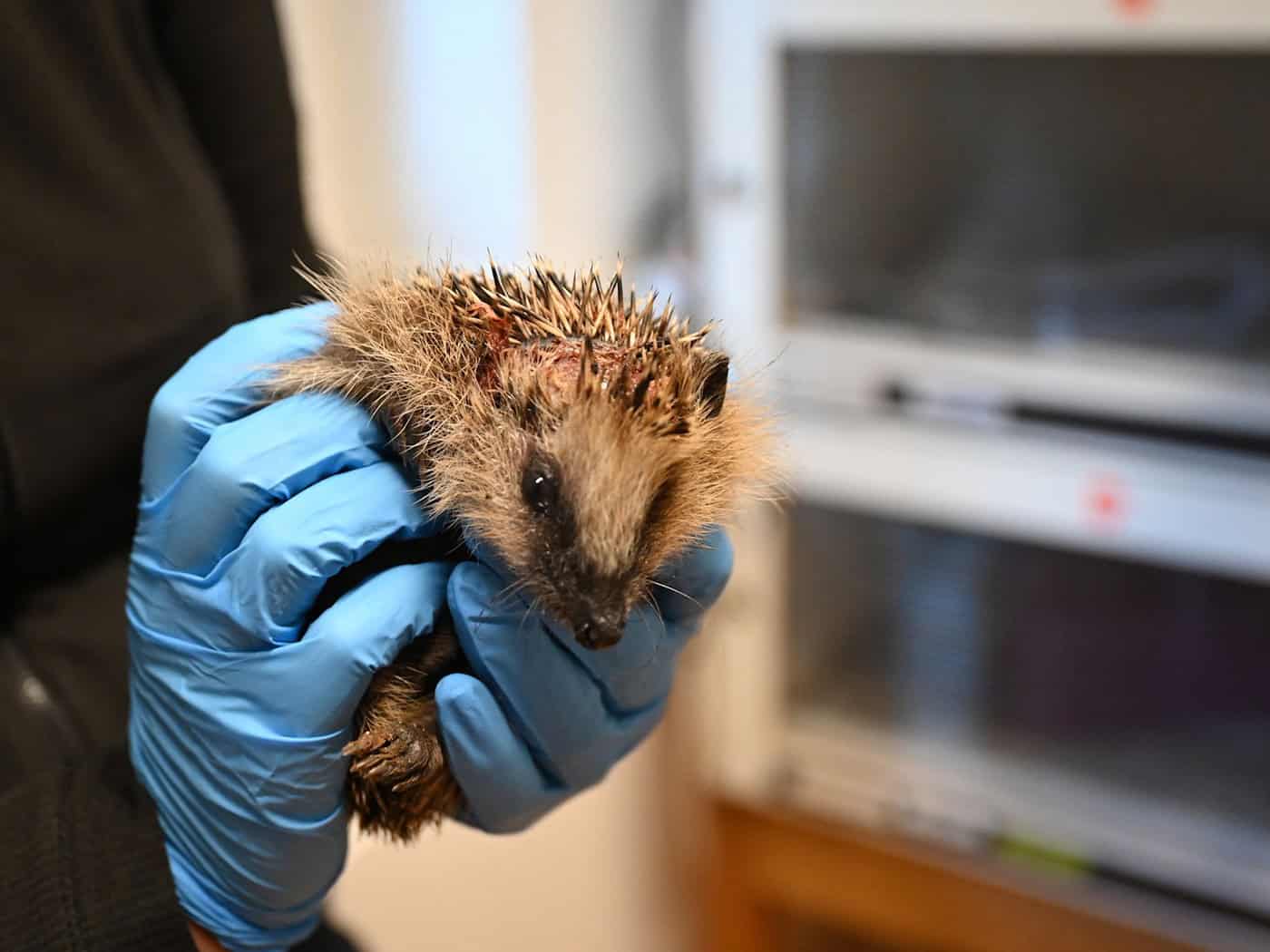
Hedgehog rescue centers in Saxony are currently operating at full capacity. The animals they take in are too small and too light. On top of that, they suffer from injuries caused by garden tools, parasite infestations, or respiratory illnesses. According to estimates by its president, Karina Görner, the hedgehog rescue center in Radebeul is currently operating at full capacity with 60 to 65 hedgehogs. “Unfortunately, that’s normal at this time of year. Right now, a great many small hedgehogs are still being found. I’m constantly getting requests,” said Görner. Around the clock, people who have found injured or emaciated hedgehogs are asking the organization for help. “Late summer and fall are the busiest times of year for us. Especially starting in August, the number of hedgehogs taken in rises sharply, and experience shows that the season is far from over even by mid-October,” said the Stachelnasen Zwickauer Land association. The Zwickau-based association is currently caring for as many as 98 hedgehogs, in addition to external feeding stations that care for the animals. According to Görner, the reason there is so much to do in the fall is that hedgehogs don’t have their young until very late in the year—often not until August or September. For a hedgehog to be able to go into hibernation, a young hedgehog should weigh at least 500 to 600 grams. However, hedgehogs are finding it increasingly difficult to find food. When it gets cold, they eventually stop gaining weight because they burn too much energy. Some of the hedgehogs brought to Radebeul weigh as little as 250 grams. In addition, people frequently bring in injured hedgehogs that have sustained cuts from garden tools, for example. At the hedgehog rescue center, the animals are cared for and nursed back to health. Despite a temporary halt on new admissions, Radebeul is still accepting absolute emergencies, said Görner. In less serious cases, the center advises those who find the hedgehogs on how to care for them themselves. As long as it isn’t too cold, the Hedgehog Rescue Center also releases recovered hedgehogs back into the wild. Görner hopes this will still be possible until the end of October. Hedgehogs that aren’t fit enough by then must spend the winter at the Hedgehog Rescue Center or in external wintering shelters. According to Görner, the peak season will continue through late November and into early December. The Zwickau-based organization is also busier than in previous years. As of October 13 of this year, the organization reports having taken in 656 hedgehogs. By that date in 2025, the number had reached 624, and in 2024, it was only 539. At the hedgehog rescue center in Radebeul, Görner describes the situation as follows: “We have consistent intake numbers, yet at the same time the population is dwindling. The logic behind this is a sad one. The hedgehogs that survive are weaker. The hedgehogs that are still around today are weaker than the ones that were here before, when their food supply was still so diverse.” The hedgehog is listed as “Potentially Endangered” on the Red List of the International Union for Conservation of Nature (IUCN). The hedgehog rescue groups in Radebeul and Zwickau confirm that, in their experience, foraging has become more difficult for hedgehogs. When should you help a hedgehog you find? According to Görner, a hedgehog may need help if it is active during the day, weighs 400 grams or less, or is injured. She also advises weighing any hedgehogs you find if you’re unsure about their condition to check their weight. Anyone who finds a single small hedgehog in distress should also keep an eye out for other young hedgehogs. Finally, a hedgehog rescue organization should be contacted for advice or—if the hedgehog is seriously injured—so that they can take it into their care. Copyright 2026, dpa (www.dpa.de). All rights reservedPeak Season Lasts Well into Winter
More Hedgehogs Need Help
Hedgehog First Aid