


Former border strip becomes a natural monument
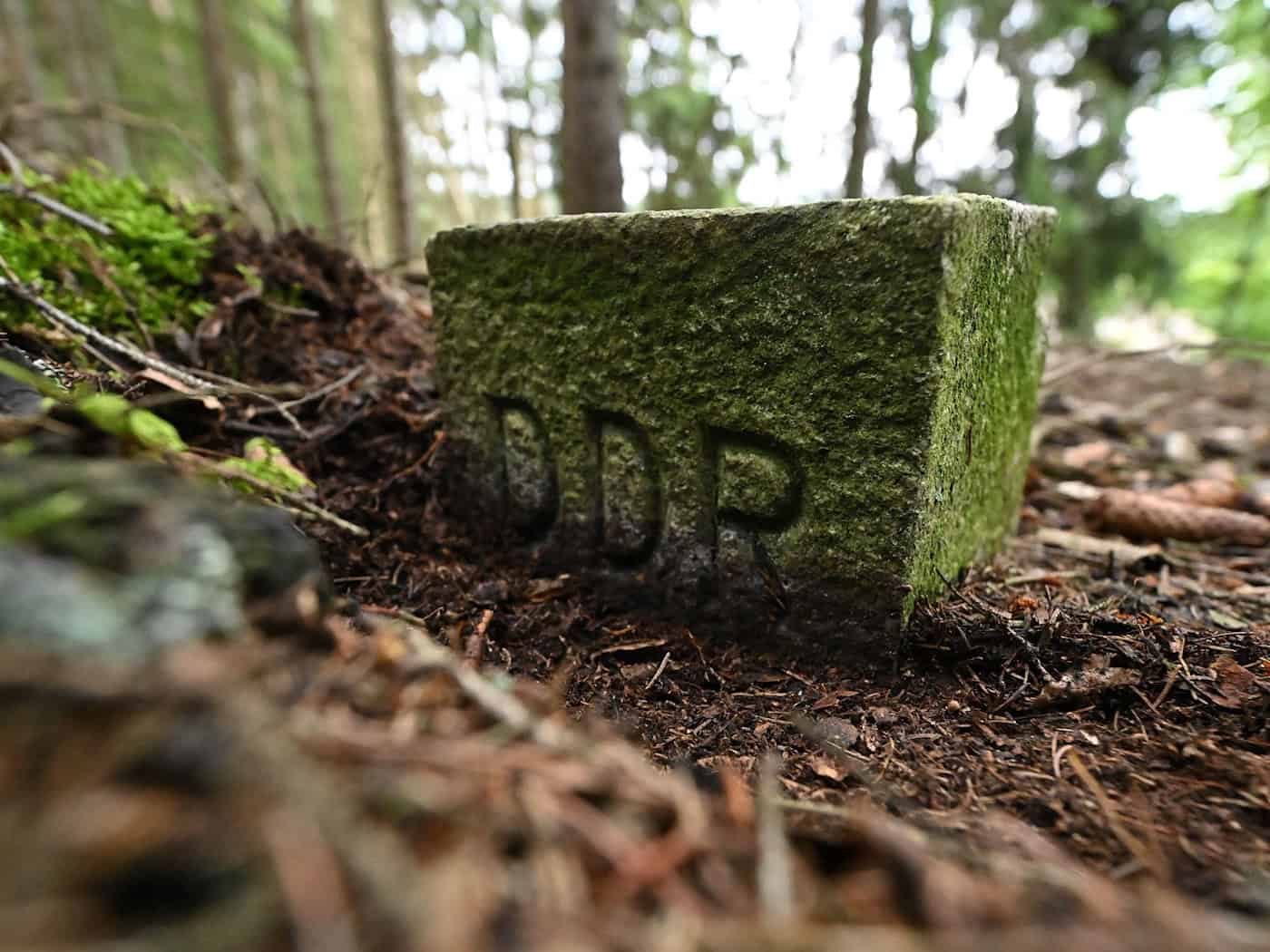
The Saxon section of the former inner-German border strip will become a National Natural Monument. The part of the so-called Green Belt with a length of 42 kilometers along the border to Bavaria will thus be uniformly protected, as announced by the Ministry of the Environment. The area with an area of around 760 hectares was already under nature protection, but in the form of 13 individual nature reserves, natural monuments and protected landscape features as well as two other nature conservation guidelines. These protection ordinances will now be replaced by the new designation. National Natural Monuments are areas that are of outstanding importance for scientific, natural, cultural or historical reasons and because of their rarity, uniqueness and beauty. According to the ministry, the ordinance designating the Green Belt in Saxony as such comes into force on Thursday. Administration and management of the protected area will be transferred to the Vogtland district, which will be responsible for its conservation and development. With a total length of 1,393 kilometers, the Green Belt along the former inner-German border forms the largest biotope network system in Germany. It provides habitats for numerous rare and endangered plants and animals with near-natural open land areas, forests and water bodies as well as wetlands and moors. "While insurmountable border fences separated people in East and West, unique habitats for endangered plants and animals were created on the former "death strip"," said Environment Minister Georg-Ludwig von Breitenbuch (CDU) according to the press release. The Green Belt is also a reminder of German history and a living symbol of reunification. Copyright 2026, dpa (www.dpa.de). All rights reservedProtection unified
Habitats for rare animals and plants

