

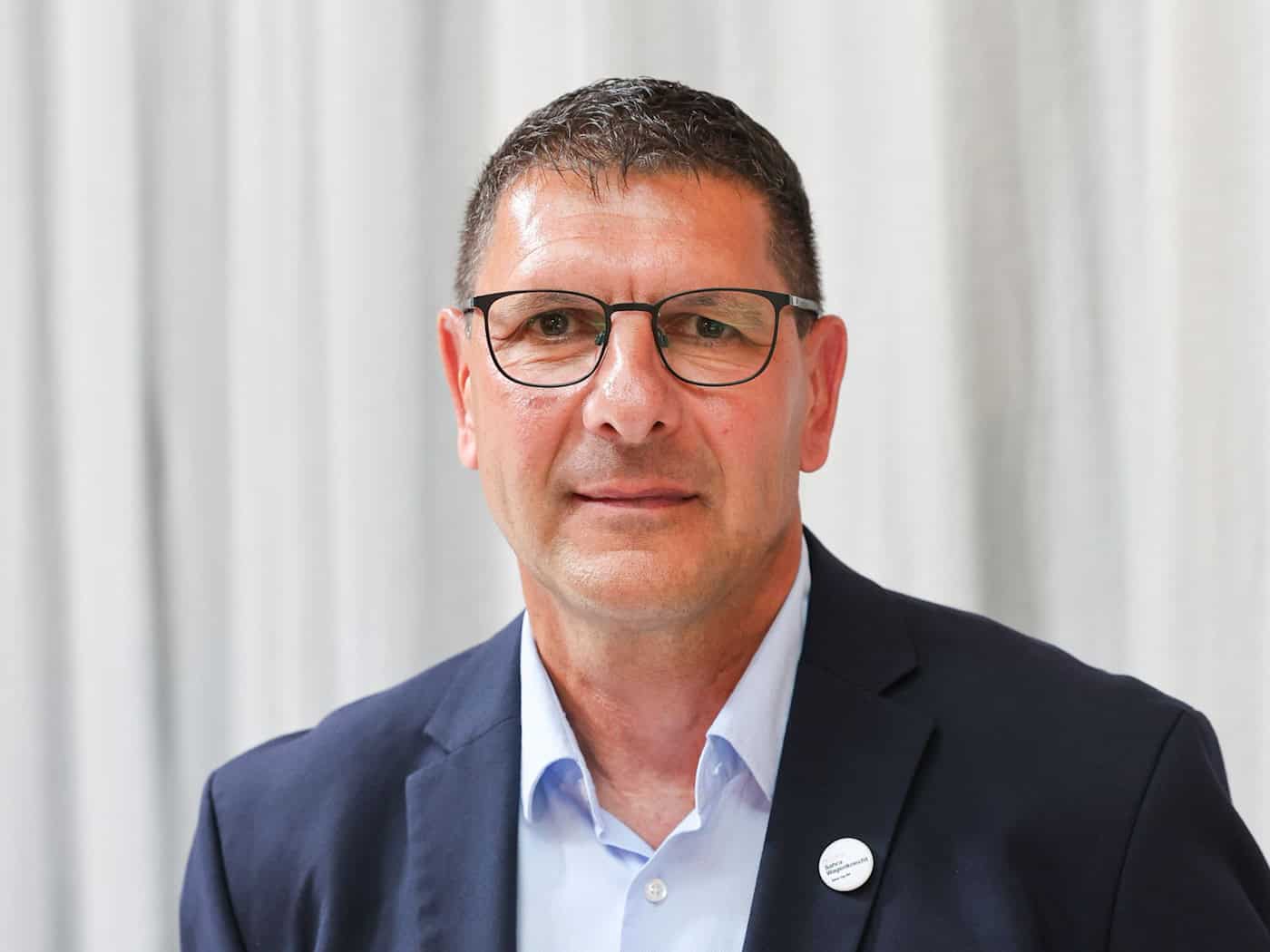
Retirees are increasingly reliant on social assistance. This also affects women and men in Saxony, Saxony-Anhalt, and Thuringia, according to a request submitted by the Sahra Wagenknecht Alliance to the Federal Statistical Office. In Saxony, 21,490 retirees were affected in March of this year—1,600 more than a year ago. In Saxony-Anhalt, the number rose by about 800 to 11,835. In Thuringia, 9,510 people were receiving basic income support for the elderly—about 900 more than a year ago. Nationwide, 771,275 retirees currently receive social assistance. That’s over 7,000 more than three months ago, nearly 30,000 more than a year ago, and nearly 180,000 more than four years ago, according to the BSW’s calculations. Significantly more women than men are affected. “The planned pension reform hits East Germans particularly hard because they only have the statutory pension. It’s a brutal pension cut that people who have worked for 45 years are no longer allowed to retire without a reduction,” commented Thomas Schulze, the BSW’s lead candidate in Saxony-Anhalt, on the figures. “But the figures are just the tip of the iceberg. Many retirees don’t apply for assistance out of shame or are only just above the poverty line,” Schulze emphasized. What’s needed, he said, is a pension system like Austria’s. There, the average pension is 800 euros higher, and there’s a minimum pension that protects people from poverty after decades of work. Copyright 2026, dpa (www.dpa.de). All rights reservedMore women than men affected
Schulze: Planned pension reform hits East Germans particularly hard
According to the BSW, official figures are just the tip of the iceberg


