

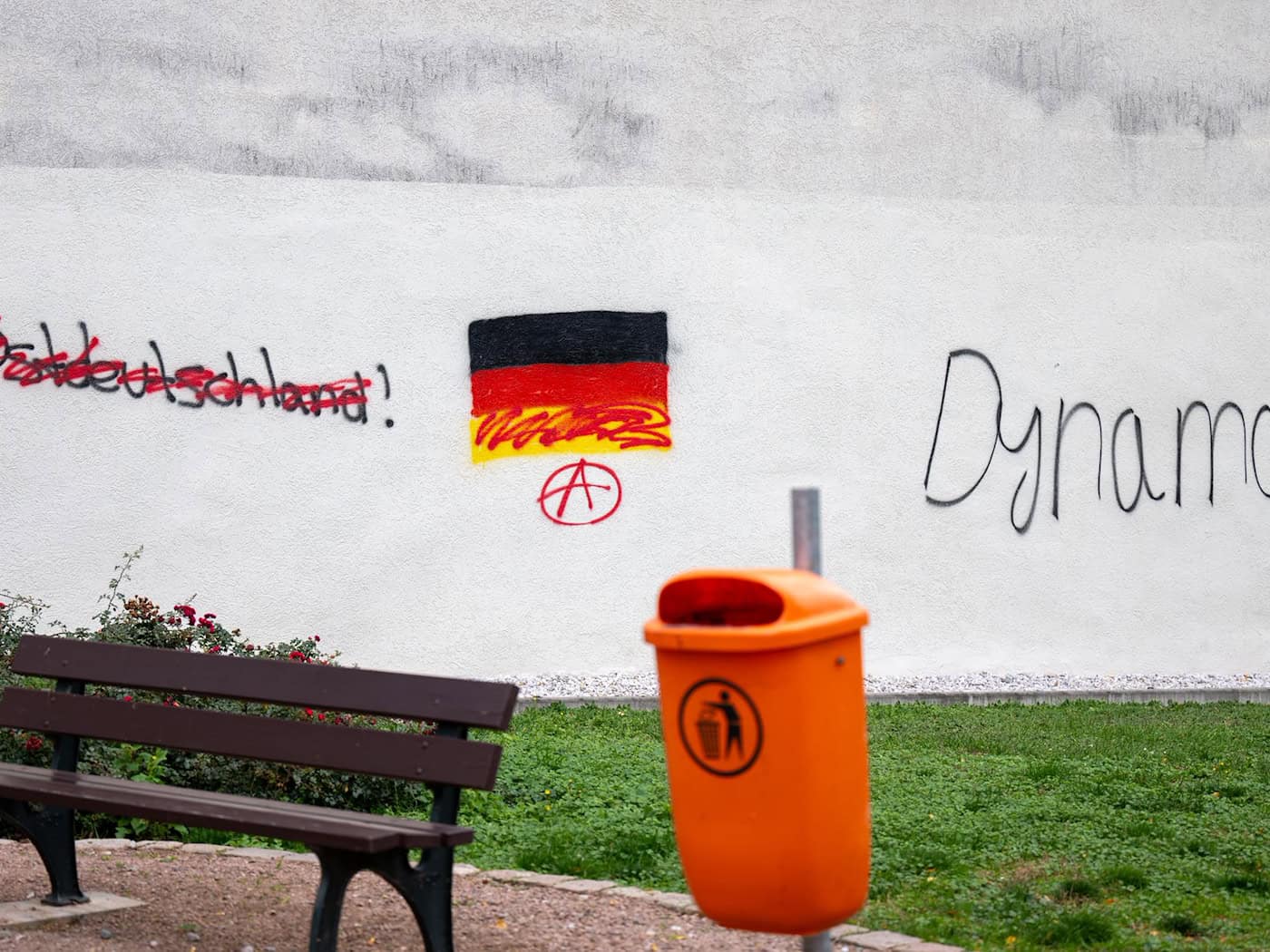
Due to the persistent East-West disparities in Germany, the Left Party is proposing a “citizens’ assembly” and a new distribution of financial resources among the federal states. In a motion to the Bundestag, this is justified by the unequal distribution of wages and wealth, as well as by the particular difficulties faced by the rural eastern regions, some of which are very sparsely populated. The occasion is German Unity Day on October 3—that is, next week. Other factors include the electoral successes of the AfD and the feeling among many East Germans that they have been left behind. “The decline of public services and the growing inequality in living conditions are increasingly contributing to the erosion of local democracy,” the motion states. “We have a structural inequality between East and West that is deepening,” said Ina Latendorf, parliamentary secretary of the Left Party faction in the Bundestag. “We are noticing the dismantling of infrastructure particularly acutely in rural areas.” In 2025, the average income in eastern Germany was about 17 percent lower than the average for the western German states. On average, East Germans had 170,000 euros in assets, while West Germans had 365,000 euros, according to an overview by The Left. Due to low birth rates and out-migration, the population in the east is aging more rapidly. Saxony-Anhalt is projected to lose around 322,000 residents by 2040, according to calculations by The Left. The average age there will then be nearly 50 years. According to The Left’s proposal, the so-called Citizens’ Council should be composed of East and West Germans in proportion to their respective population sizes. It is intended to serve as an advisory body to the Federal Ministry of Finance. The goals are “unity in everyday life” and equal living conditions. A “citizens’ report” is to be available within one year, according to the motion. In addition, The Left is advocating for a new distribution of financial resources based on the so-called Königstein Formula. This is an agreement under which tax revenues and burdens—such as the reception of asylum seekers—are distributed among the states. The basis for this is economic strength and population size. This distribution formula should take a federal state’s land area into account to a greater extent, said Mandy Eißing, spokesperson for the East German members of The Left. Reason: In sparsely populated rural areas, it is particularly difficult to finance adequate services such as hospitals, daycare centers, schools, or bus and train services. Copyright 2026, dpa (www.dpa.de). All rights reserved“Citizens’ Council” to Advise Government
Call for More Funding for Sparsely Populated States


