

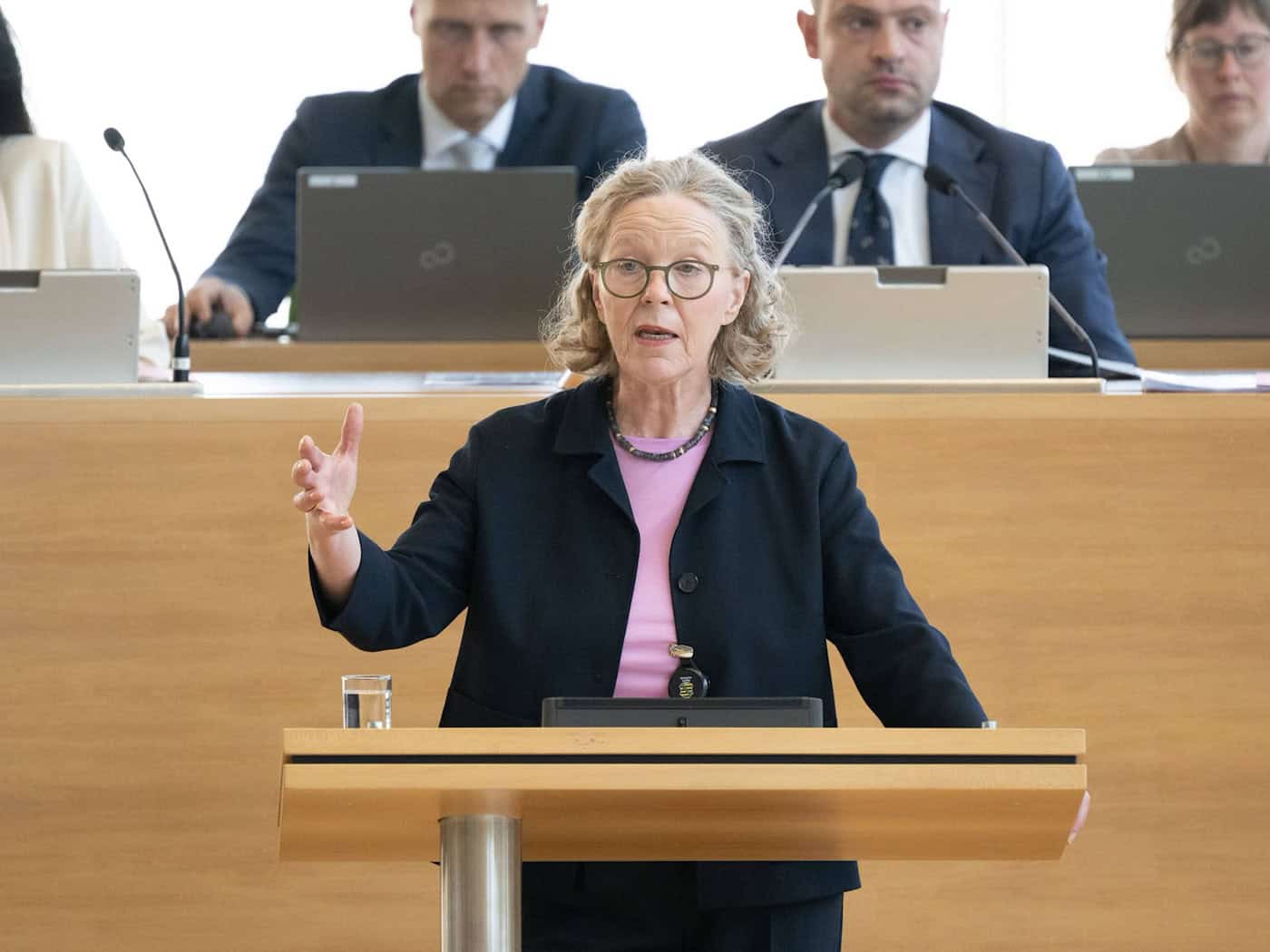
Saxony wants to improve life in rural areas and will continue to rely on European Union funding to do so. In a policy statement, Infrastructure Minister Regina Kraushaar (CDU) warned against letting up on these efforts. “Anyone who neglects rural areas weakens Saxony as a whole,” she said in the Saxon state parliament. The answer, she said, is not “more directives from Dresden,” but rather trust in local people and their ability to take action. “People are happy to take responsibility themselves. After all, decisions belong where the challenges arise,” Kraushaar emphasized. At the heart of this approach is the European LEADER program. During the 2014–2022 funding period, more than 1.1 billion euros were mobilized for over 7,000 projects. “Leader does not fund temporary projects, but rather structures that endure—doctor’s offices, village stores, fire stations.” Interest is high, with 1,700 applications already submitted. According to Kraushaar, however, it is likely that this successful model is not set in stone. “Decisions are currently being made at the European level regarding the future architecture of funding policy. And there are proposals that call this model into question. It’s hard to believe, but these proposals actually aim for less local responsibility and more centralized control.” That is the wrong approach. That is why the Saxon government is strongly advocating for Leader to remain strong in the future. “Rural development does not succeed on the drawing board. It succeeds where people know their region and take responsibility,” Kraushaar emphasized. She announced a new “Rural Development” strategy for the fall—as a roadmap for the next decade. Copyright 2026, dpa (www.dpa.de). All rights reservedInterest in EU funding remains strong
Criticism of Plans to Centralize Funding


