

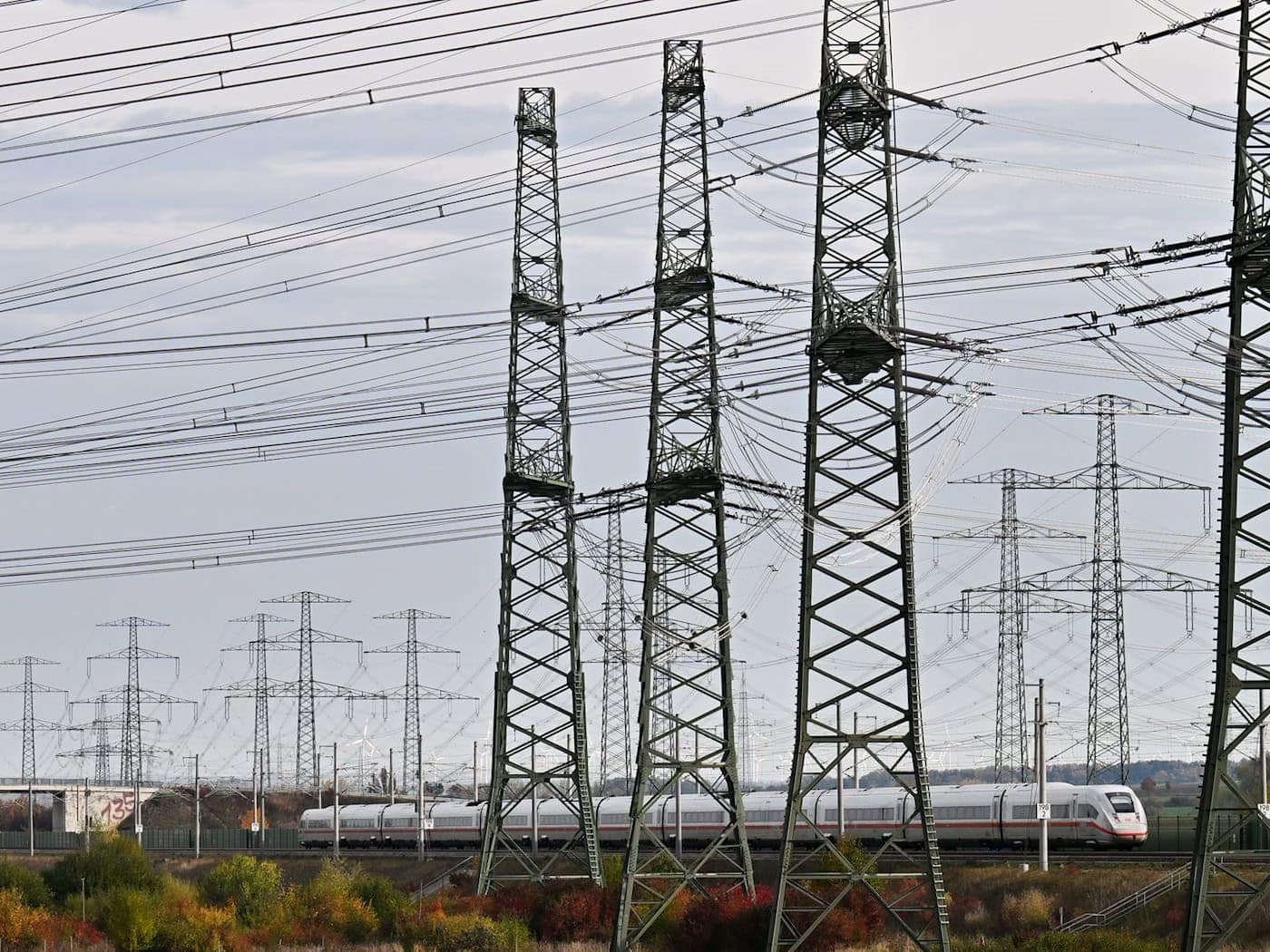
Representatives of the Saxon Ministry of the Interior have warned of significant security gaps in Germany despite the new federal law on the protection of critical infrastructure. According to Jörg Pichler, head of the "Civil Defense Strategy" project group at the State Ministry of the Interior (SMI), the so-called KRITIS umbrella law does not reflect the actual threat situation. The law, which came into force last week and obliges operators of critical facilities to provide better protection, currently only applies to facilities that serve more than 500,000 people. In a sparsely populated state such as Saxony, the nationwide threshold means that only a few facilities are even considered critical. "According to the current structure, not even a municipal utility would be included as a KRITIS operator in Saxony," said Pichler on Tuesday at a conference of the Central German Institute for the Security Industry (MISI) in Leipzig. It is currently estimated that around 20 companies are affected - far too few to reflect the real supply structure in the view of the ministry. The federal states had already criticized the threshold value in the Bundesrat and called for it to be lowered, but ultimately approved the law at the beginning of March. This was made possible by a protocol declaration by the federal government, which holds out the prospect of readjustments. The law imposes stricter requirements on companies and authorities to secure important facilities against sabotage, break-ins and attacks, for example, but refers numerous detailed issues to later legal regulations. Pichler criticized the fact that it was precisely these detailed issues - such as the precise definition of what is considered critical infrastructure and what specific obligations are associated with it - that had been left out of the political conflict between the federal and state governments. For operators, there is "still no real basis for action" and many of the specifications are still based on strategy papers, which in his view are outdated. A new DIN specification on the "physical resilience of organizations" published on Friday is intended to help fill this gap, according to Pichler. The 200-page set of rules defines minimum standards - from access controls to incident and emergency management. Ulf Bandiko, Head of Office at the State Ministry of the Interior, referred to existing security gaps: There is still "a lot of work to be done" between the federal government's new legal framework and reality - for example, when it comes to building shelters, securing sensitive properties, blackout preparedness and strategic stockpiling. According to him, the federal states and local authorities are "still at the beginning" in this regard. The Free State also wants to strengthen its security and defense industry. To this end, a coordination office for strategic industrial policy and armed forces has been set up in the State Chancellery to bundle settlements and projects. At the event, security experts described the threat level as already acute. Major General Tilo Maedler, Chief of Staff at the Operational Command of the Bundeswehr, outlined Germany as a logistical "hub" for NATO troops on the eastern flank. Large-scale cyber attacks, attempts to sabotage power supplies and railroad lines as well as disruptions caused by drones, for example around airports, are already being recorded. The aim of such actions is to create the feeling among the population that the state cannot guarantee security. Maedler dampened expectations of military protection at home. In the event of tension or defense, the Bundeswehr is tied to supporting NATO and operations on the eastern flank. "So please don't have the illusion that the Bundeswehr can protect critical infrastructure on a large scale on German soil during a war," he said. Companies and operators must therefore take their own precautions; the state merely sets the framework. SMI security expert Pichler is calling for clearer political guidelines on what operators must provide in future. He referred to study results according to which the procurement and operation of the affected companies could become two to three percent more expensive. "This resilience costs money," said Pichler. In his view, the federal government must not only create the legal framework for civilian defense, but also "finance it", while operators must significantly expand their own provisions. According to the ministry representative, Saxony is currently gradually gearing its structures more towards civilian defense. Pichler named the year 2029 as a realistic time horizon until the Free State could have a significantly higher level of protection available in terms of shelters, alarm planning and physical protection of critical infrastructure. Copyright 2026, dpa (www.dpa.de). All rights reserved"A lot of work" in the construction of shelters
Experts believe the threat level is already high
Resilience causes additional costs for local authorities and companies


