

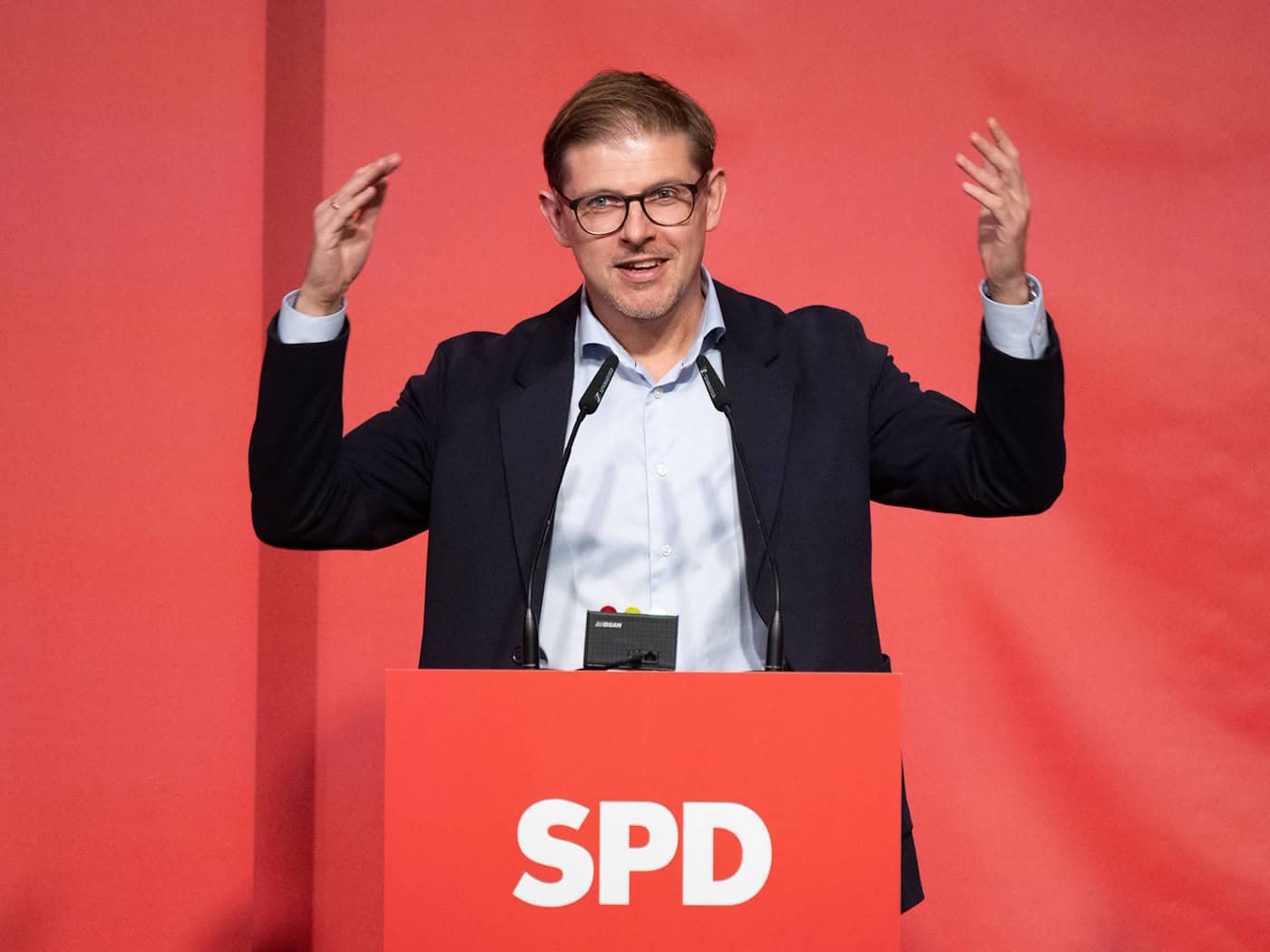
Saxon SPD MEP Matthias Ecke has warned of the far-reaching consequences of centralizing responsibilities in the EU. The proposal presented by Commission President Ursula von der Leyen for 2025 threatens the Free State of Saxony with enormous losses in the new funding period from 2028, Ecke made clear in Dresden. In the current funding period, Saxony receives around 3.8 billion euros from EU funding pots. In future, half to three quarters of European funding could be lost, depending on the basis of calculation. "We really are at a turning point," said Ecke. More and more tasks had been accumulated by the European Union and allocated to the member states. But at the same time, the resources have not grown. "And now we have a situation where cuts are to be made to the very programs that have made regions like here in Saxony strong." Von der Leyen's proposal means "less planning security, less regional influence and significantly less funding". Saxon EU politician Oliver Schenk (CDU) recently voiced similar criticism. He said that it was unacceptable for the Commission to only negotiate with national governments in the future and leave the regions out of the equation. Europe would not become stronger if the regions were weakened. "If you centralize structural policy, then you fail to recognize where Europe's strength and power actually comes from. And that is on the ground, because the people on the ground know best what is needed." "What we need in Saxony are reliable programs with clear budgets and reliable co-determination, regional co-determination, as it has been until now. No centrally controlled pots from Berlin with unclear distribution," said Ecke. He also rejected a change in European agricultural policy. The background to this are EU plans to cap funding for larger farms - as is usual in eastern Germany - and to support small farming structures in particular. According to Ecke, this would be a "super disaster" for local agriculture. According to statistics, a Saxon farm cultivates an average area of around 138 hectares and is therefore a good double the size of the average German farm. Copyright 2026, dpa (www.dpa.de). All rights reservedThe CDU is also critical of the EU plans
Change in EU agricultural policy endangers East German farms


