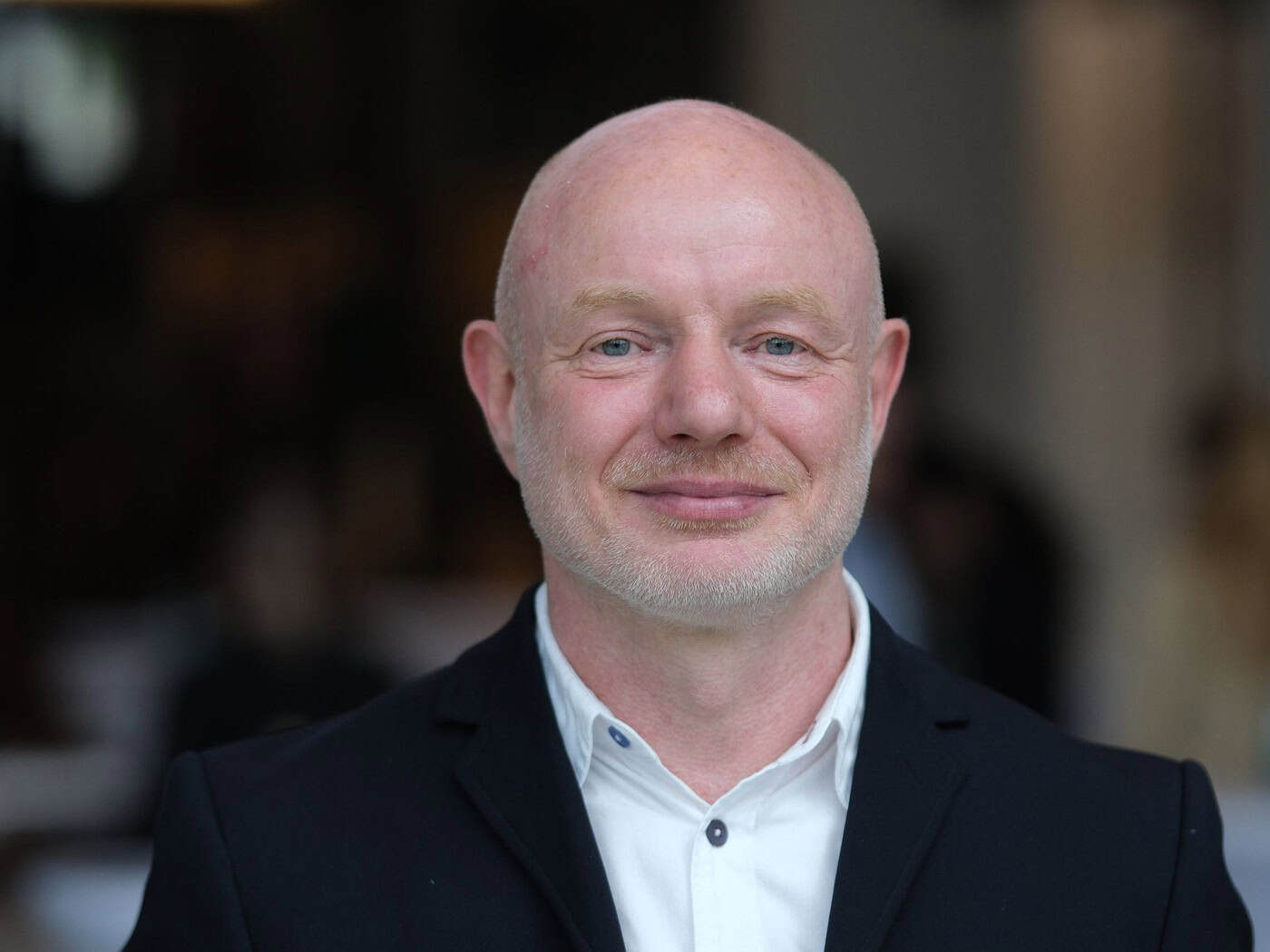
In light of budget constraints at the state and local levels, the cultural sector is facing a prolonged lean period, according to cultural manager Stefan Schmidtke. “Ultimately, it boils down to public funds being concentrated on securing existing institutions of high culture, such as museums and theaters,” he said in an interview with the German Press Agency (dpa). And even there, cuts are being made. “For everything else—festivals, individual projects, and so on—it’s a free-for-all right now.” Schmidtke, who was responsible for the program for Chemnitz as the European Capital of Culture 2025, estimates that this phase will last seven to ten years. “Then, hopefully, better times will return, like in the late 2000s.” For eastern Germany, the 58-year-old sees a need to catch up when it comes to corporate participation in cultural funding. “Here, people always turn to the public sector first.” However, there are also “remarkable entrepreneurs” in the East who are committed to culture. But there are too few of them. “Especially in eastern Germany, people need to understand more clearly that a certain degree of generosity unleashes entirely new energies.” Copyright 2026, dpa (www.dpa.de). All rights reserved