

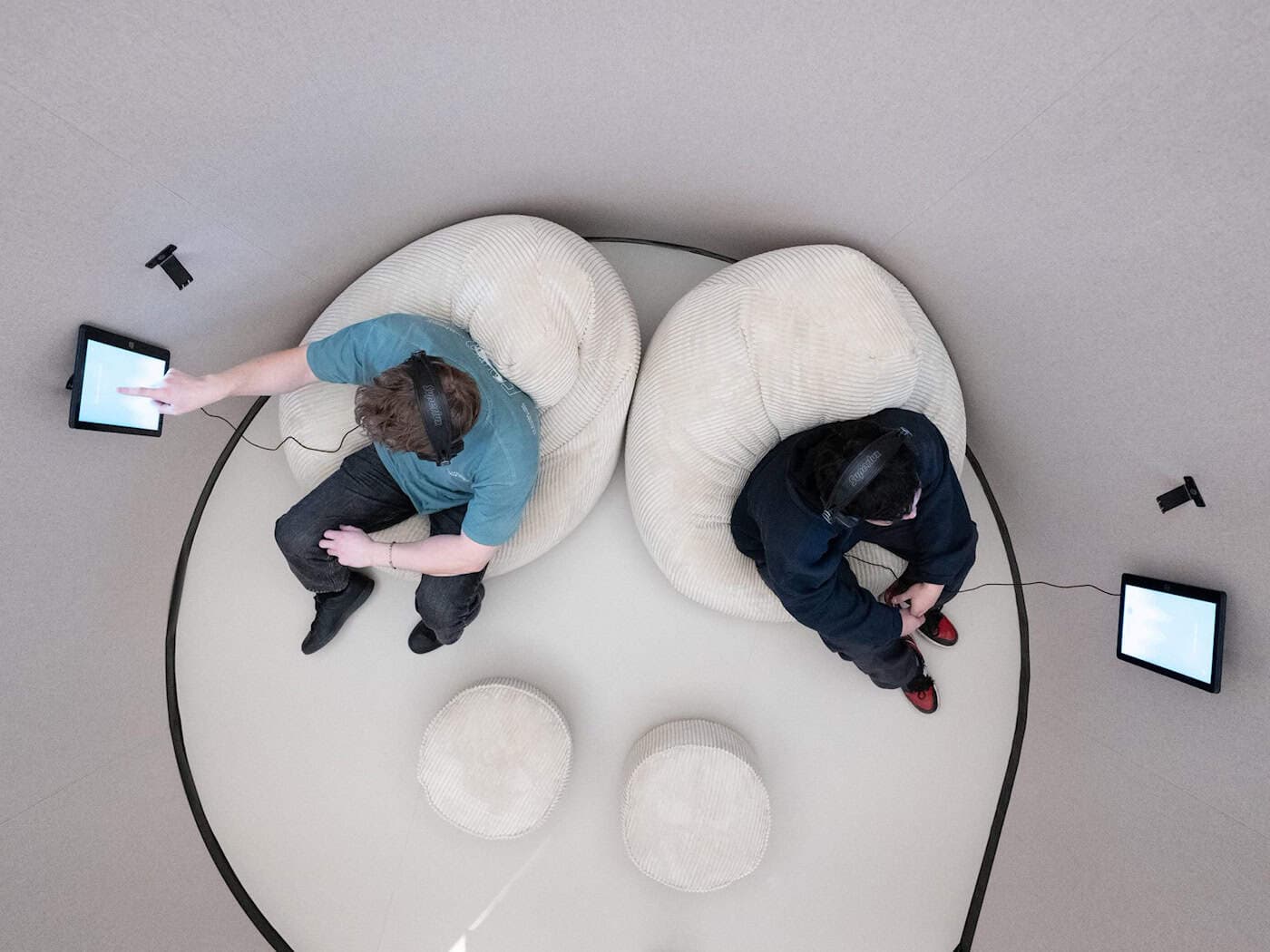
It's about more than a broken heart or being fed up: The German Hygiene Museum in Dresden is dedicating a new exhibition to a widespread illness: mental health problems. The exhibition "How are you?" aims to raise awareness of illnesses that many people do not openly suffer from, but which are becoming more and more prevalent. According to the World Health Organization, around one billion This early "susceptibility" has something to do with money. In families with a low income, 23.1 percent of children and young people exhibit mental health problems. In middle-income families, the proportion is 16.2 percent, and in high-income families it is only 9.2 percent. This is probably one of the reasons why the number of cases is higher in eastern Germany than in the west. Sociologist Claudia Neu reports on the various forms of loneliness - emotional, social and collective loneliness. Before the coronavirus pandemic, four percent of respondents in a survey found themselves almost always lonely. During the pandemic, the figures shot up. The consequences are still being felt - especially among children and young people. Museum Director Iris Edenheiser notes a significant increase in mental stress - as a result of the pandemic, the digitalization of everyday life and global crises. The boundary between healthy and ill is much more fluid than people think. People with mental health problems are carriers of knowledge and experts, which is why they are the focus of the exhibition. While awareness of such illnesses is growing, talking about them is often still a taboo - sometimes for fear of reactions, sometimes for fear of losing one's job, it was said. While illnesses such as depression, burnout or ADHD are increasingly accepted by society, psychoses or addictions are even more stigmatized. The museum wants everyone to feel addressed. For the exhibition, people from Dresden and the surrounding area were interviewed about their mental health issues, their diagnoses and their coping strategies. Even small efforts can have a big impact - such as more exercise: just ten minutes of activity can lift the mood, according to one finding. Videos of conversations with those affected can be seen, as well as personal objects that helped them to cope with everyday life. "How can it get better?" This question is to be answered with a view to social, political and medical conditions. Among other things, visitors will learn that absences from work due to mental illness have increased by 43 percent over the past ten years With artistic, media, interactive and other approaches, the exhibition invites visitors to take a closer look at a topic that affects everyone. The show also offers retreats where you can find out about specific offers of help. You can also engage with your own mental health in a playful way, for example with a quiz and interactive stations. The exhibition is divided into three chapters. Under the title "I feel what you don't see", the focus is on the inner life of people. Questions include: How common are mental illnesses and which are the most common? Who is at increased risk? "Thank you for asking" is primarily about support. The third chapter, entitled "Sometimes like this, sometimes like that", focuses on coping strategies. The tragic end of a mental illness is also addressed: suicide. According to statistics, 10,372 people took their own lives in Germany in 2024 - an average of 29 per day. Immediately before attempting suicide, many of those affected go through an ambivalent phase of around 10 minutes in which they can still be dissuaded from their plan. Up to 95 percent of them do not later die by suicide. The exhibition addresses the vulnerability of people and society as a whole, emphasized Dresden's Mayor of Culture Annekatrin Klepsch. It makes it clear "why health is more than just the physical functioning of the human body". The exhibition opens this Saturday and will run until April 4, 2027. There will be a "Wellbeing Sunday" at the exhibition on April 12. The accompanying program includes lectures and discussion panels on topics such as burnout and the consequences of excessive use of social media. Copyright 2026, dpa (www.dpa.de). All rights reservedOne in four people will develop mental health problems in the course of their lives
people on the planet have mental health problems, and in Germany one in four
people will suffer from them in the course of their lives. Most people are affected in their youth, even if they only seek help in adulthood. Still feeling the effects of the coronavirus pandemic
Talking about mental illness is often still a taboo
More and more accidents at work due to mental illness
"I feel what you can't see"
Exhibition shows the vulnerability of people and society


