Logo Die Sachsen News
News / Culture

SKD show rare treasures from Imperial China

SKD show rare treasures from Imperial China
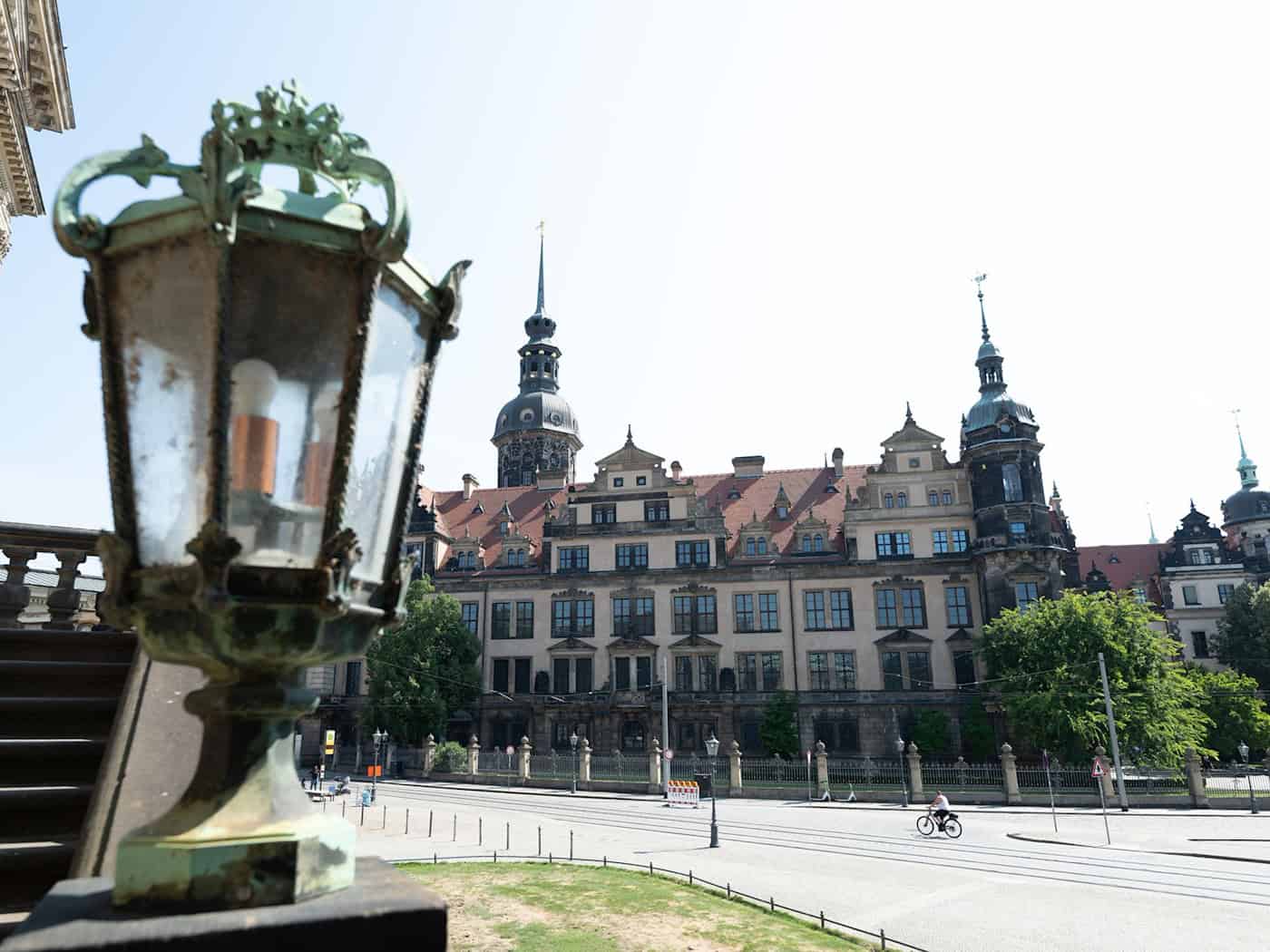
From April 1, the Dresden State Art Collections (SKD) will be exhibiting rare objects from Imperial China in the Residenzschloss. (Archive image) / Photo: Sebastian Kahnert/dpa
From: DieSachsen News
A tiny bowl, a dragon vase and a flask. Works of art from ancient China have recently triggered speculation in Dresden. Now they can be viewed.

The Staatliche Kunstsammlungen Dresden (SKD) will soon be presenting three rare treasures from imperial dynasties in China. They exemplify the aesthetics and outstanding craftsmanship of their time, the SKD announced. "The objects in the porcelain collection have been the focus of public attention in recent weeks. What makes them so special will now be presented to the public."

Reports made headlines

The SKD alluded to reports that recently made headlines. In February, the "Bild" newspaper reported that thieves were targeting valuable objects from the porcelain collection in the Zwinger. There had been information about this from foreign security authorities. The theft of a dragon vase and a Ru bowl from China was planned. The SKD did not comment on this. In January, however, they reported a targeted hacker attack.

Two of the allegedly compromised objects mentioned at the time will be on display in the Residenzschloss from next Wednesday until the end of June under the title "In Focus: Three Rare Treasures of Imperial China". In addition to the Ru bowl and the vase, this includes a snuff bottle barely five centimetres in size.


More from this category

Only 89 Ru ceramics known worldwide

According to the SKD, the small Ru bowl made of glazed stoneware, which at first glance appears inconspicuous, dates back to the Northern Song Dynasty (960-1127) and is one of the rarest and most precious objects of Chinese ceramics. The approximately 900-year-old vessel was used as a brush wash bowl and is one of only 89 known Ru ceramics in the world.

Dragon as a symbol of imperial power

The so-called dragon vase was made for the court of Emperor Qianlong (1735-1795). It is painted with nine dragons soaring in bright colors over the sea and sky and is considered a rare masterpiece of imperial porcelain art of the Qing dynasty. In Chinese culture, the number nine also stands for "eternity", while the dragon is the most important symbol of imperial power.

The snuff bottle was long regarded as a European work in the Chinese style. It was not until 2013 that it was recognized as a rare and early example of Chinese enamel art from the Qing dynasty. Its origin could be traced back to the imperial palace workshops in Beijing, where only works of the highest quality were produced for the imperial court.

Dresden has a large collection of porcelain from China and Japan

The SKD claims to hold the largest collection of early modern porcelain from China and Japan outside of Asia - a cross-section of what was collected in Europe in the late 17th and early 18th centuries. The historical core of the electoral-royal collection of Augustus the Strong and Augustus III was expanded from the mid-19th century by exchanging and purchasing ceramics from all over the world.

Agreement with the Hong Kong Palace Museum

In an agreement with the Hong Kong Palace Museum, the SKD had spoken out in favor of examining its holdings of East Asian art more intensively in the future with experts from the palace museums in Hong Kong and Beijing. The current presentation makes it clear "that mutual respect and the artistic and scientific pursuit of precision unites China and Germany to the highest degree".

Copyright 2026, dpa (www.dpa.de). All rights reserved

The translations are automated with the help of AI. We look forward to your feedback and your help in improving our multilingual service. Write to us at: language@diesachsen.com.
Sachsen News
Article from

Sachsen News

Sachsen News is responsible for the content itself. The platform's code of conduct applies. The platform checks and treats content in accordance with the legal requirements, in particular the NetzDG.

Social Media