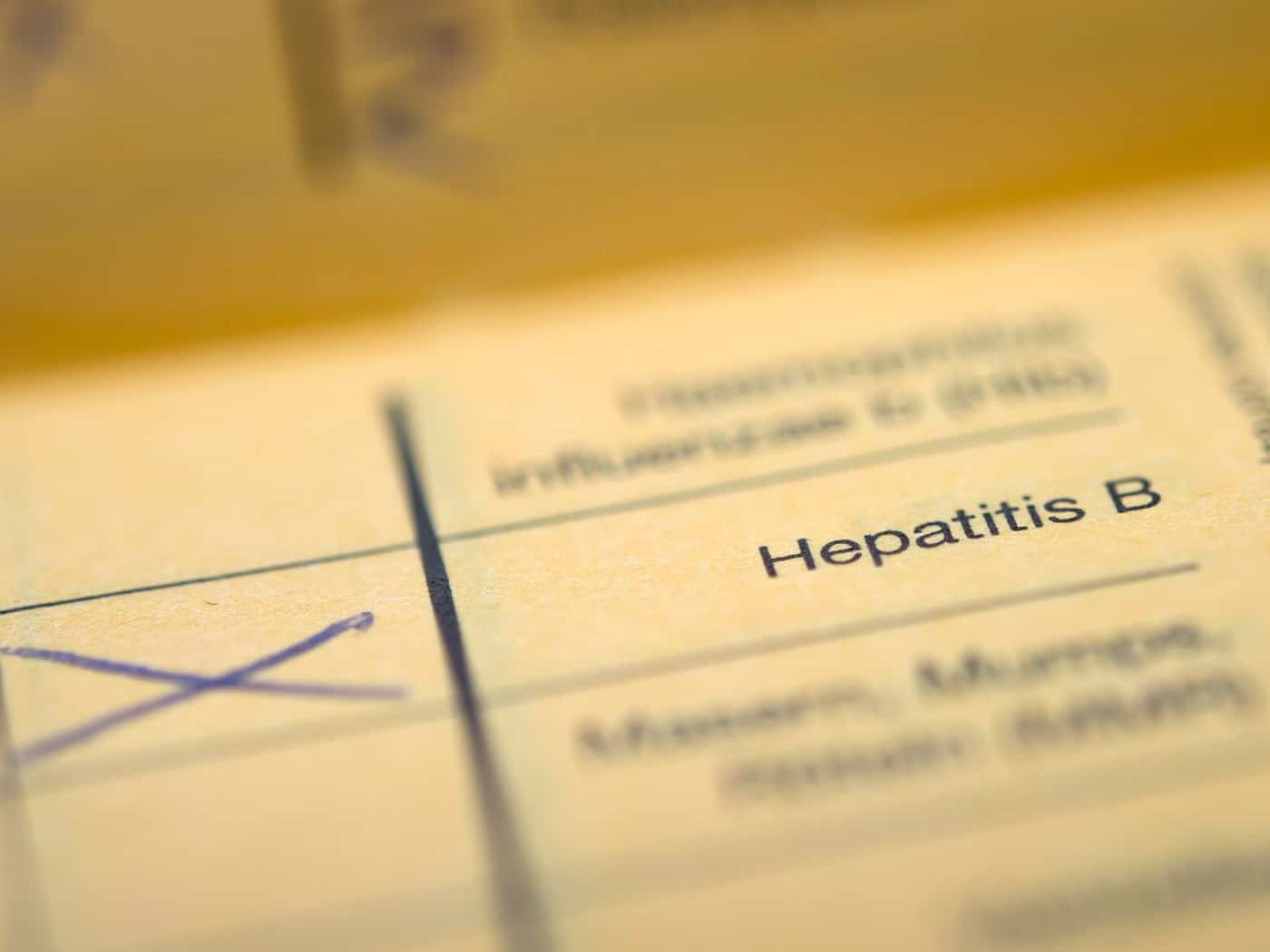
The Greens are accusing the Saxon government of negligence in light of high hepatitis infection rates. “We need more low-threshold and outreach testing services, especially for people who have difficulty accessing the healthcare system,” explained Thomas Löser, a member of the state parliament. According to the Ministry of Health, 350 cases of hepatitis B and 234 cases of hepatitis C were reported in the Free State of Saxony in 2025. In the previous year, the figures were 461 and 239, respectively. Compared to 2020, however, a significant increase can be observed. At that time, there were 199 and 160 cases. Löser criticized significant gaps in the data “The state government’s response makes it clear that the number of reported hepatitis B and hepatitis C infections in Saxony remains significantly elevated, while at the same time, health insurance companies lack important data on early detection and preventive measures. No additional measures to combat viral hepatitis are planned at this time,” Löser emphasized. Hepatitis B and C are viral infections that can become chronic and cause severe liver damage. A vaccine is available for hepatitis B. Hepatitis C is curable in most cases with modern medications. Since 2021, a one-time screening for hepatitis B and C has been part of the health checkup for people with public health insurance aged 35 and older. “We don’t know how many people in Saxony are taking advantage of the hepatitis screening or how many infections are detected early as a result. This means we lack a crucial basis for assessing the success of early detection,” said Löser. Given the health consequences, it is difficult to understand why the government does not have this data and is not making an effort to obtain it. “We need better cooperation between the state, health insurance companies, and public health departments to identify gaps in care and address them specifically,” concluded Löser. The persistently high case numbers in Saxony show that efforts in prevention and early detection must not be relaxed. Since 2022, Saxony has been funding testing services provided by AIDS service organizations and supporting the Leipzig project “Leipzig without Hepatitis” as part of a network partnership. Löser: “When asked about further measures, however, the state government explicitly states that, beyond continuing support for AIDS service organizations, nothing else has been planned so far.” Existing services must be secured for the long term and expanded to meet demand. Copyright 2026, dpa (www.dpa.de). All rights reservedSharp Increase in Cases Compared to Five Years Ago
Green Party politician criticizes data gaps
Greens: Secure and expand existing services in the long term