

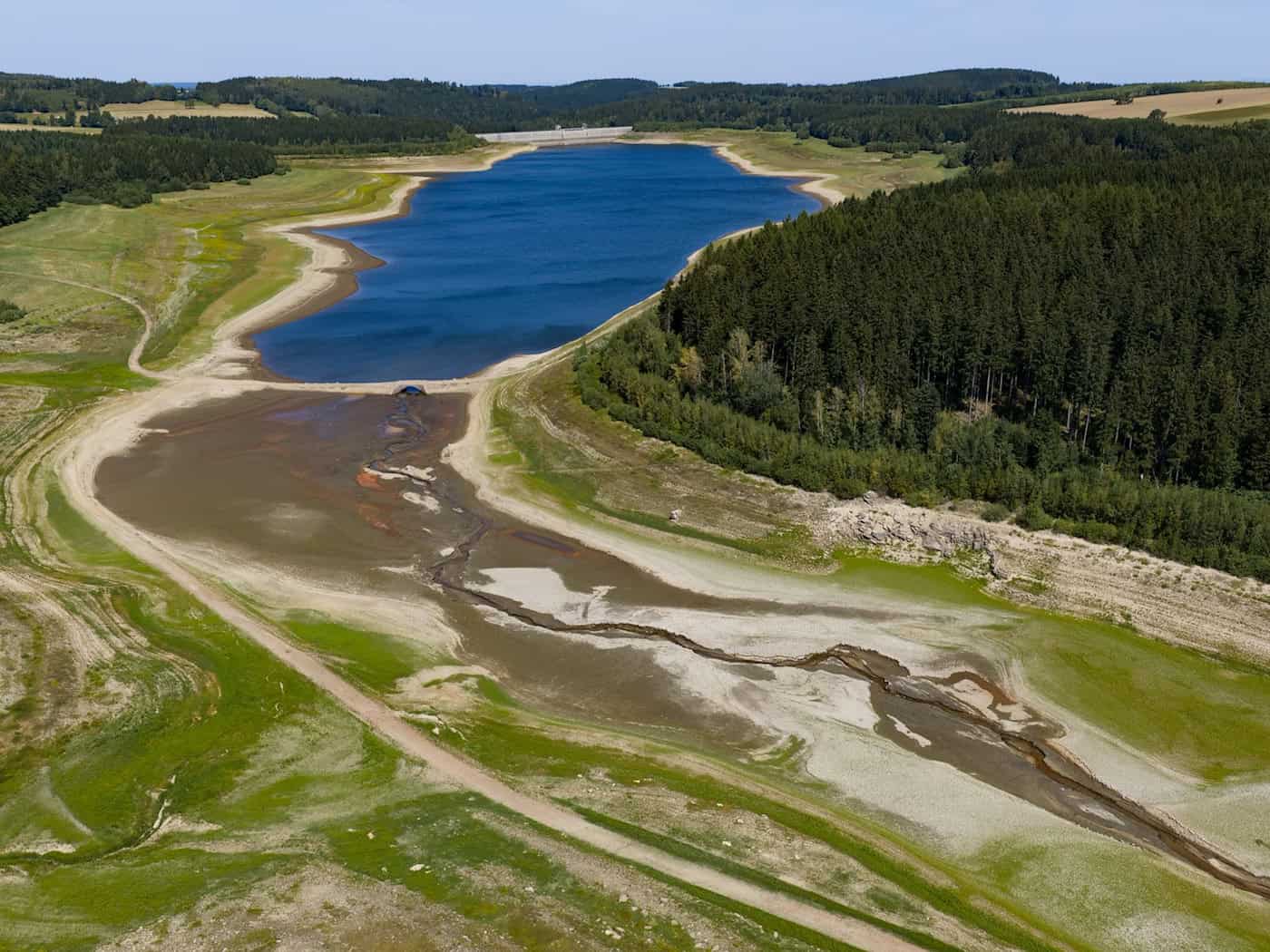
The Sahra Wagenknecht Alliance (BSW) in the Saxon State Parliament is concerned about the future water supply in the Free State of Saxony. “We have to be honest: Low water levels and falling groundwater levels are not a short-term weather phenomenon. We must prepare ourselves for the fact that we will have to make do with less available water in the future,” said State Representative Ulf Lange. “The problem won’t be solved by a few days of rain. In the future, we must view water more as a scarce resource and ask ourselves: How far will the available water go—and how do we distribute it fairly?” said Lange. We shouldn’t wait until the wells are dry and the rivers are empty to talk about distribution. “We need clear priorities and a long-term strategy now.” Lange called for a stronger focus on water retention across the landscape, on reservoirs and dams, as well as forward-looking resource management. Regional planning, too, must give greater consideration to securing the long-term supply of drinking water. “We must not pit renewable energy against drinking water protection. But where interventions in sensitive watersheds could jeopardize the security of supply, the precautionary principle must apply.” The BSW politician cited an example from the Ore Mountains. In the approximately 1,000-hectare Abtwald forest between Burkhardtsdorf and Gelenau, an assessment is currently underway to determine whether parts of the area can be designated as wind energy sites. At the same time, the spring areas there supply drinking water to approximately 7,500 people in Burkhardtsdorf and in the Dittersdorf district of Amtsberg. “Especially in light of increasing periods of drought, we must look very closely at where we intervene in sensitive watersheds.” Copyright 2026, dpa (www.dpa.de). All rights reservedUnderstanding Water as a Scarce Resource
More Water Retention Across the Landscape Is Needed


