


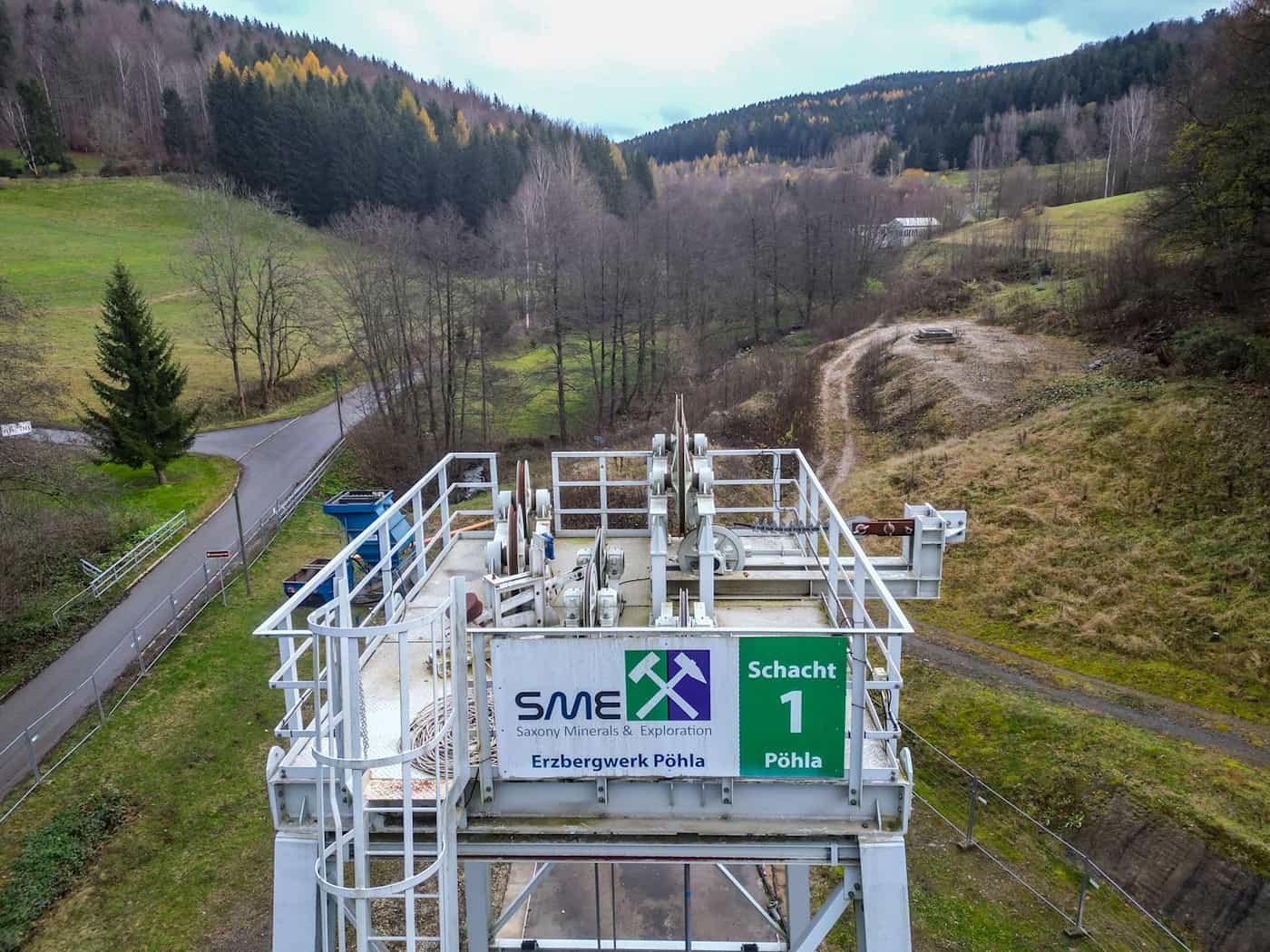
Tungsten is considered a critical raw material in the EU. In autumn 2024, a notification from the Upper Mining Authority therefore attracted attention that a new mine for the extraction of tungsten, tin, fluorspar and other raw materials had been approved in the Ore Mountains. A minor sensation after the decline of ore mining in Germany. However, the new mining boom was followed by a standstill - there was no money for the investments. Now a financially strong investor from Asia is waiting in the wings. Will he give the mining plans a new boost? Flashback: Following approval from the Upper Mining Authority, Saxony Minerals & Exploration AG (SME) invites the press to a press conference in November 2024 to present the plans for the mine in Pöhla. To access the ore, a ramp will be driven almost two kilometers into the mountain, they say. Production is scheduled to start in 2027: 400,000 tons of ore per year, which will be processed in a plant in Mittweida. According to the company management, this will create around 120 new jobs and make the local tungsten and tin industry less dependent on China. A profit of more than one billion euros is expected within 20 years. But what has happened since then? And will ore actually be extracted from the mountain in Pöhla next year? The fact is: the once-announced schedule is a waste of time. Contrary to assurances at the time, the money required for the investments could not be raised. A bond issued by the company only raised a good €7 million instead of the hoped-for €30 million. "We have the finances under control," said Supervisory Board Chairman Thomas Reissner when asked by journalists in November 2024. The capital for the project was secured. The corporate bond issued in 2019 was to be repaid from mining proceeds. However, last year the company had to grant its creditors a deferral until 2029. In an assessment, the investor protection association even warned of the "risk of the issuer becoming insolvent in the coming years". The bond is currently trading well below the issue price. Another way therefore had to be found to raise money. "We looked for an investor to go into the mountain and build the ramp," explains SME board member Rolf Staudenmaier. One has now been found. However, not in Germany or Europe, but in Asia. The Prime Group from Singapore wants to pay 150 million euros for SME, according to the internet platform "Asian Morning", including a photo of the contract signing. Staudenmaier confirms this: the money will be used to pay off the shareholders and repay liabilities such as the corporate bond. In addition to the project in Pöhla, SME AG is also active in the exploration of mineral resources in the Ore Mountains near Elterlein. According to the information provided, the main focus there is on tin deposits. Will the millions from Asia now boost mining in Saxony? "Work has not yet begun on opening up the mine," said Bernhard Cramer, Head of the Upper Mining Authority in Freiberg, when asked. "The Saxon Mining Authority cannot estimate when mining operations can be expected." According to the information provided, SME has not yet submitted the necessary further operating plans. "We will start mining at the end of 2028," says SME CEO Staudenmaier as the new target. The development of raw material prices supports the project. In 2025, the prices for tungsten had risen to new all-time highs - partly due to lower mine production in China and export controls in the country, as the German Mineral Resources Agency writes. The price of tin has also risen sharply since the announcement of the mining plans and was recently around 50,000 US dollars per tonne. However, the latest developments are being viewed with skepticism locally. New mining projects in the region offer opportunities, says Anja Storch, chairwoman of the Pöhlwassertal citizens' initiative. However, residents could face considerable burdens - for example with regard to much more truck traffic. There are also concerns about increased environmental pollution from radon in the air and contaminated mine water. A sale would entail further risks. Storch asks how sensible it is for everything to end up in foreign hands in Asia, when Germany and Europe want to become less dependent on raw materials from there. His authority is not involved in the sales process, explains Chief Mining Inspector Cramer. "The sale of a company to a third party does not have to be approved by the Saxon Mining Authority." Nevertheless, the whole thing is not yet in the bag. According to Staudenmaier, approval from the Federal Ministry of Economics is still pending. It is not commenting on the specific case. "Please understand that we are unable to provide any information on any specific investment appraisal procedures due to the business and trade secrets of the companies involved in the acquisition," he said when asked. He does not expect a result for several months, says Staudenmaier. He warns that overly strict conditions could lead to the investor backing out again. In this case, alternatives would continue to be sought.From pioneer to false starter? - Work on the mine is stalling
Prices for tungsten and tin have risen sharply
Citizens' initiative takes a critical view of the sale
Copyright 2026, dpa (www.dpa.de). All rights reserved

