


Dresden doesn't celebrate him - but the world does: The Böcker Case
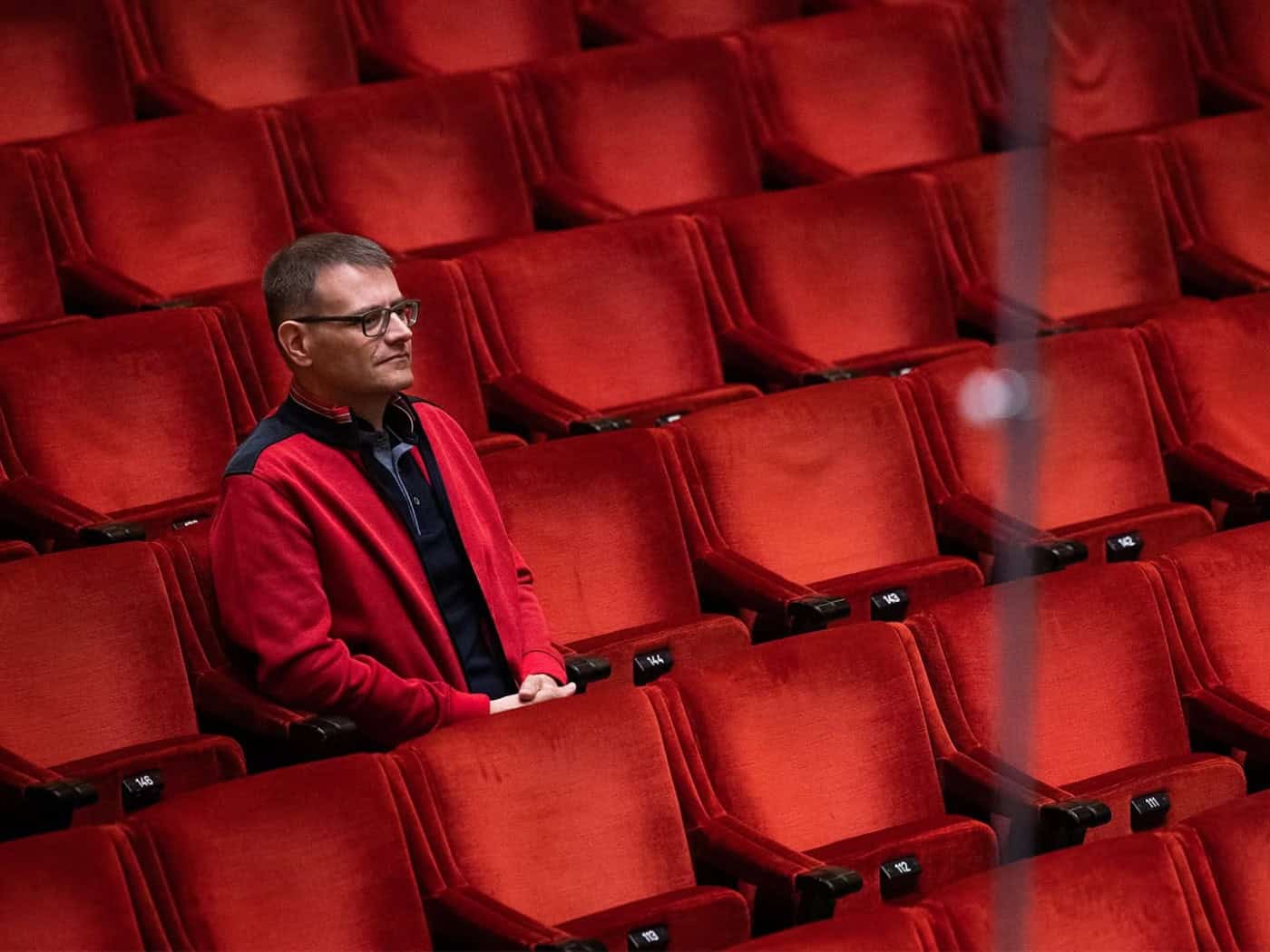
Dresden. Grand Theft Auto 6, arguably the most anticipated video game in history, has been on the market since Thursday, accompanied by a soundtrack of licensed pop and hip-hop hits. For more than two decades, a man from Dresden has been demonstrating that video game music can take a different form - namely, as specially composed orchestral music for the world’s major concert halls: Thomas Böcker.
From his office in the Old Town, the 49-year-old produces concerts that are performed in Tokyo, London, and New York. He is currently overseeing the world tour celebrating the 40th anniversary of the Nintendo series *The Legend of Zelda*, responsible for the concerts in North America, Europe, and Australia. He works with world-class orchestras such as the London Symphony Orchestra, in venues like Carnegie Hall, the Sydney Opera House, and the Royal Albert Hall. “We really want to offer the best possible quality,” says Böcker. Many dates sell out well in advance. According to Böcker, the concert at the Hollywood Bowl—which seats about 17,000—sold out on the very day tickets went on sale; advance ticket sales for a second evening are now underway.
Video Game Music Reimagined for the Concert Hall
Böcker is a producer, but not just in an organizational sense. He explains that the original idea usually comes from him; he then develops the concept, assembles a team, and finances the entire project. His video game music isn’t transposed one-to-one for the orchestra. In the game, the music supports the action. “The moment I bring it into the concert hall, the visual element is missing. The music has to be able to stand on its own,” he says. For the “Final Symphony” series featuring music from “Final Fantasy,” he commissioned tone poems, a piano concerto, and a symphony. Individual movements last 15 minutes or longer.
To do this, he immerses himself deeply in each game. He plays the titles and watches complete playthroughs on video platforms - 50 to 70 hours per game - and notes which melodies play where and which ones are particularly popular with fans. In the end, a lot gets cut. “Kill your darlings,” is how Böcker describes this process, during which he has to make very tough decisions about the content.
From Nobuo Uematsu to Alicia Vikander
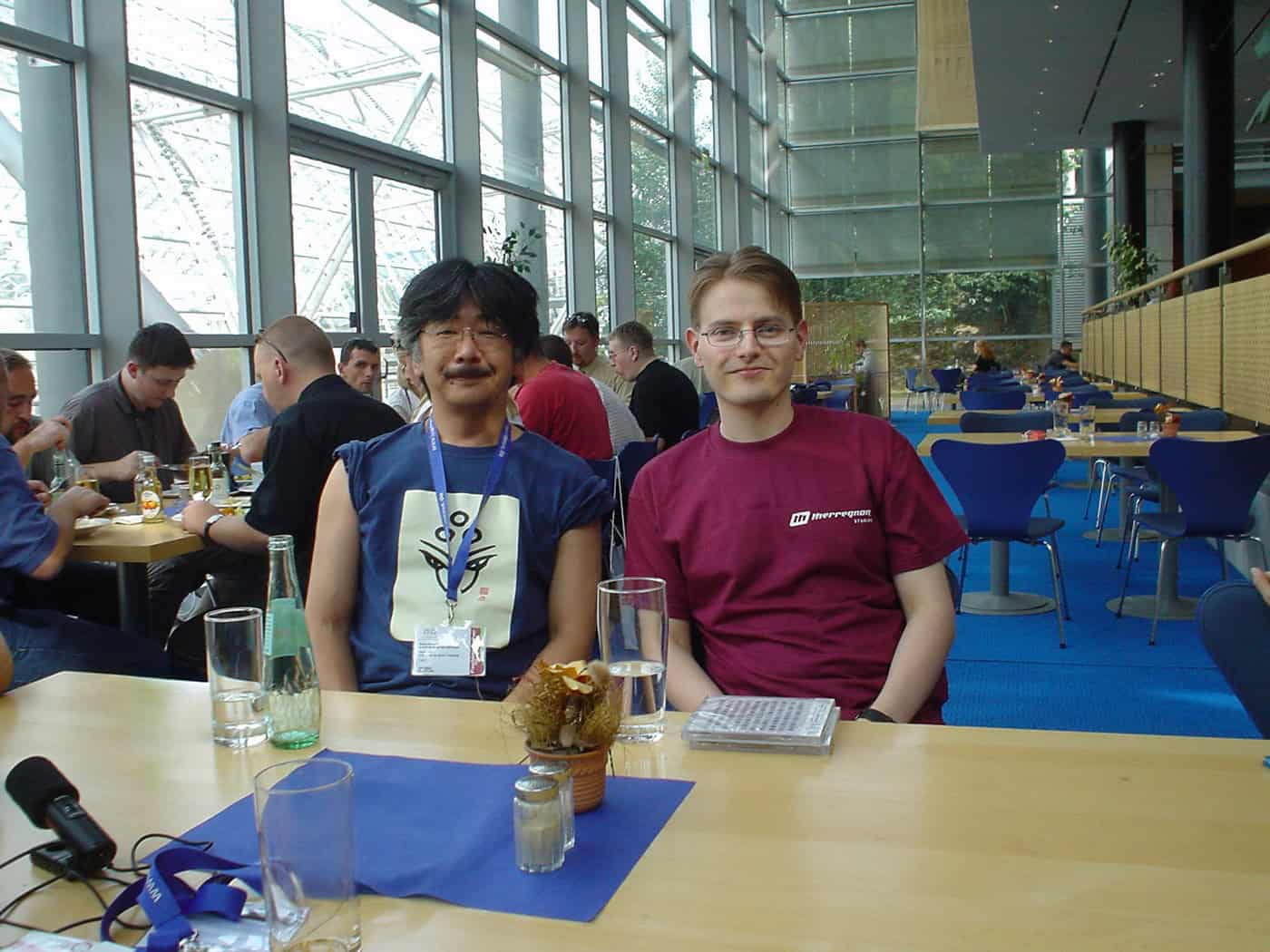
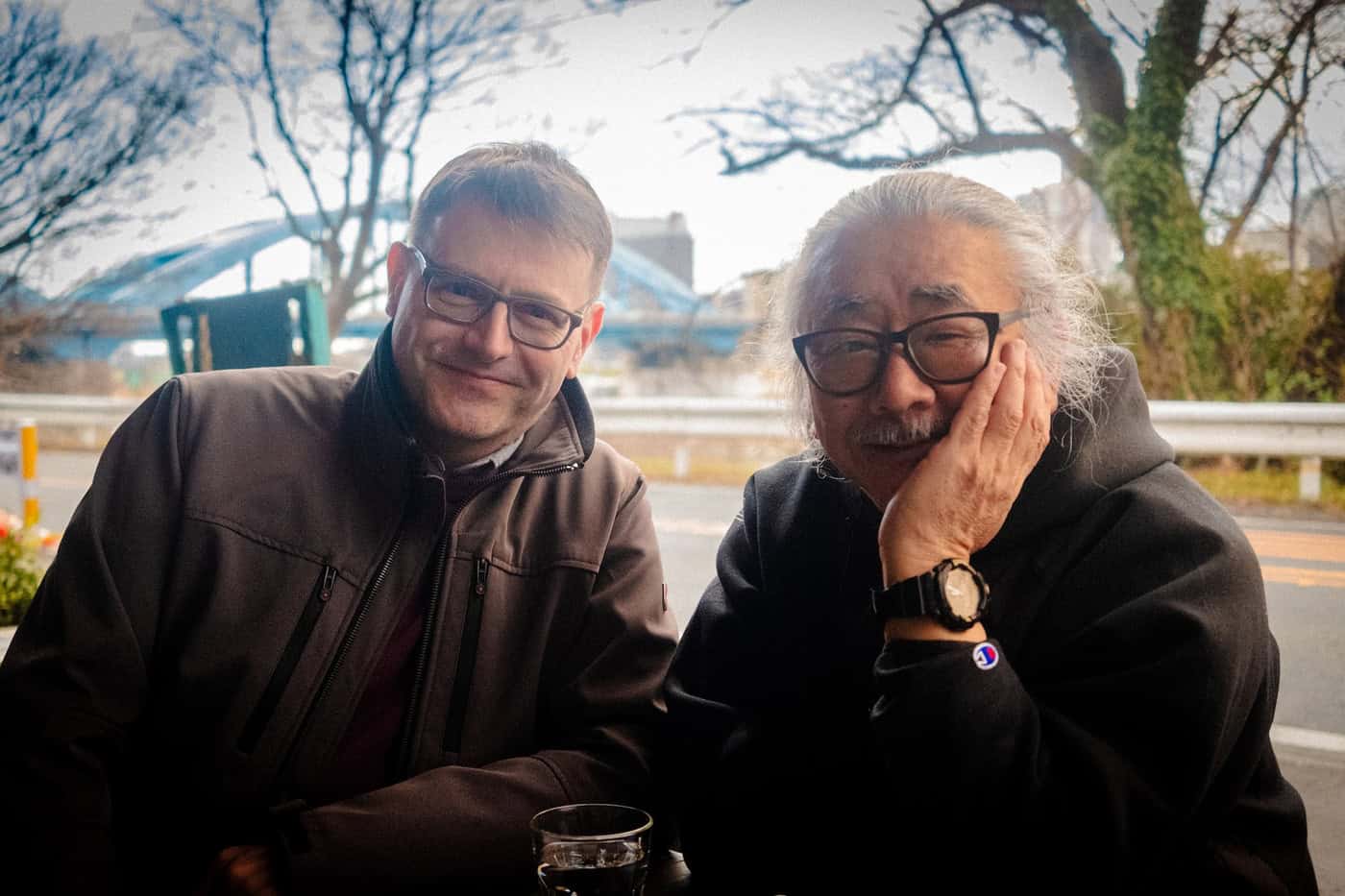
His collaborators include the genre’s most influential composers. Böcker has been working with Nobuo Uematsu, the creator of the Final Fantasy music, for over 20 years. For his latest project, the symphonic fairy tale *Merregnon: Heart of Ice, Uematsu wrote, according to Böcker, his first major work specifically for the concert hall. The album was released in June on the classical label Decca, recorded with the London Symphony Orchestra and narrated by Oscar winner Alicia Vikander. The team behind it is spread across the globe, from author Frauke Angel - who has long been based in Dresden - to illustrators in Denmark and France. Böcker isn’t bothered that his own name rarely takes center stage. “This is also about the music and not about my ego,” he says.
It all started with a computer. When Böcker was eight years old, his father brought home a Commodore 64 from the West. From then on, he was hooked on video game music - especially the works of composer Chris Huelsbeck, whom he pursued as a teenager with phone calls and letters until they began collaborating. “When I develop a passion for a subject, I can overcome those hurdles,” he says. After a few semesters studying theater studies in Leipzig and a year working in the gaming industry, he struck out on his own. His first project was a concert at the Gewandhaus in Leipzig in 2003. “That’s the kind of thing you think when you’re in your mid-20s,” says Böcker about the idea he had back then to simply organize a concert. It’s considered the first video game concert outside of Japan and is listed in the Guinness Book of World Records.
A Young Audience for the Orchestra
In 2015, the German federal government honored him as a “Culture and Creative Pilot.” But more than such titles, it’s the audience that drives him. Böcker estimates that the average age of the classical concert audience is at least 50, both at the Dresden Philharmonic and the Semperoper. In his concerts, on the other hand, the audience often consists of twenty-somethings, many of whom are attending an orchestral concert for the first time.
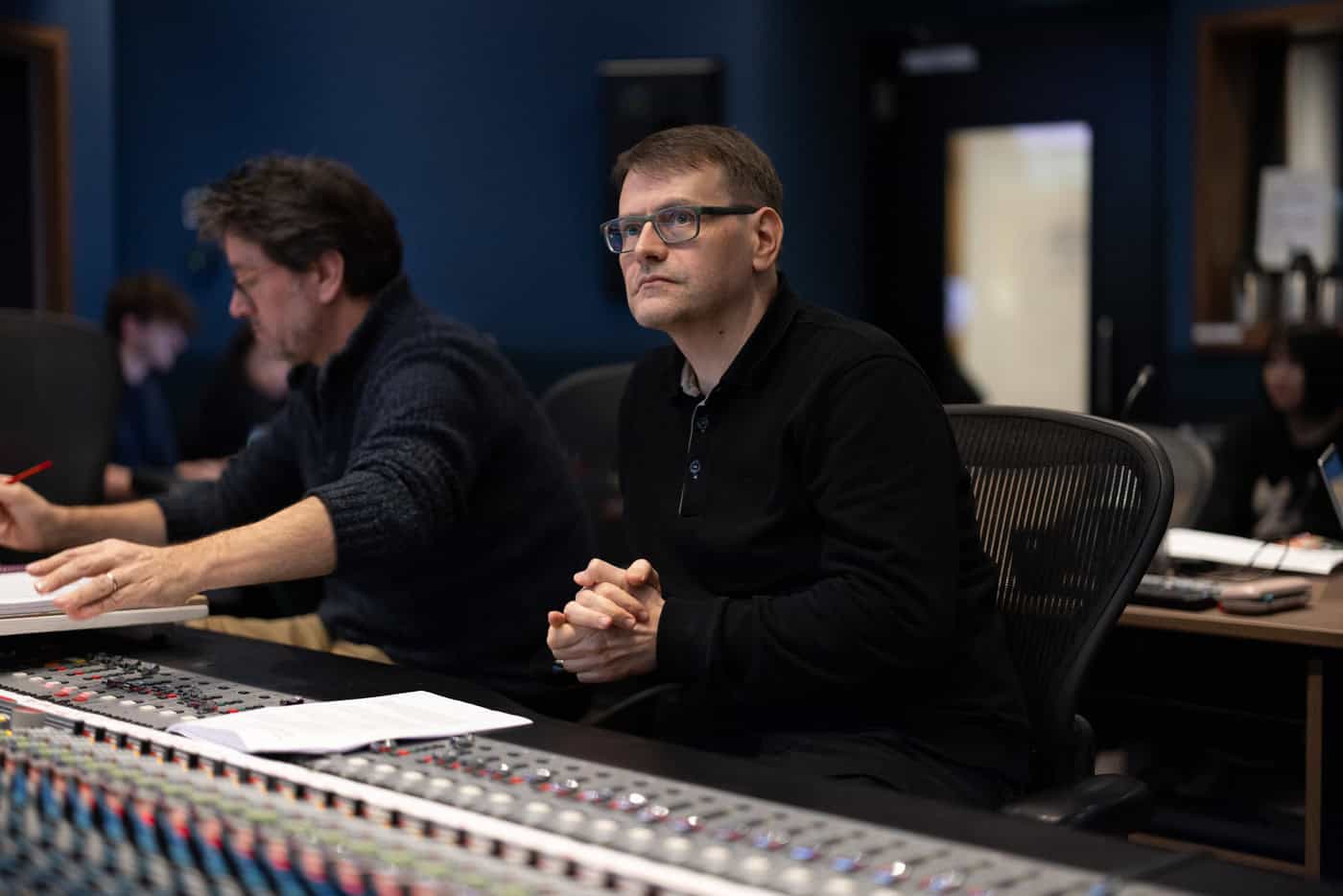
Orchestras, too, are breaking new ground with this music. At first, they almost always reacted with skepticism, says Böcker. But during rehearsals, the professional musicians see how demanding the score is and become eager to take on the challenge. That initial skepticism often turns into one of the most beautiful experiences, especially when the musicians notice how the audience reacts.
Pinch-of-silence and applause like at a pop concert
While the music is playing, the young audience is often completely silent. “During musical pauses, you can hear a pin drop,” he says. Afterward, applause breaks out, just like at a pop concert. When the London Symphony Orchestra performed video game music for the first time in 2013, one musician described it as the most attentive audience he had ever experienced. Böcker disputes the notion that young people can no longer concentrate. “They certainly can, if they’re interested,” he says.
He sees this confirmed at school concerts, such as in Ludwigshafen, where children listened spellbound to the Merregnon premiere of a 40-minute narrative accompanied by the orchestra—without a screen at all. “You just have to make it high-quality and entertaining,” he believes. Getting young people interested in the orchestra is his real motivation. “This is an important target audience where you can still make a difference,” says Böcker.
What Thomas Böcker Is Doing in Dresden
In his hometown, however, Böcker is hardly present. Dresden isn’t on the Zelda tour, and none of his concerts have taken place here so far. He says he has certainly made inquiries, but the local venues are characterized by “a certain conservative mindset.” He doesn’t feel any sense of frustration, though. The only thing that would entice him to Dresden is something special that couldn’t be realized anywhere else. He holds the Dresden Philharmonic in high regard, for example, and would welcome discussions about a joint project. “You can’t become so complacent as to believe you’ve already achieved everything,” says Böcker.
What keeps Böcker in Dresden is his family nearby and the peace and quiet. “It’s a great place to recharge your batteries,” he says. After weeks in Tokyo or San Francisco, the city offers exactly that. In this respect, he resembles the Dresden-based producer Tino Piontek, who has achieved international success as Purple Disco Machine and also remains loyal to his city. Böcker’s only concern is the airport. Because he wants to be present at his concerts in person whenever possible, he relies on good connections and would likely have to switch to flying out of Prague if service continues to deteriorate.
Things aren’t going to calm down anytime soon. In the long term, however, Böcker is drawn to a new field, as he has begun creating short animated clips for Merregnon, and the medium of animated film has long fascinated him. The coming year, however, belongs to concerts. According to his company’s website, between 40 and 60 dates are scheduled worldwide. The only German date announced so far for the Zelda tour is in September 2027 at the Alte Oper Frankfurt.
In these venues, music composed specifically for video games will be performed, by names such as Nobuo Uematsu and Zelda composer Koji Kondo. Grand Theft Auto 6, on sale since Thursday, borrows its hits from pop stars, by contrast. Back in 2003 at the Gewandhaus in Leipzig, no one could have foreseen that video game music would one day be heard at Carnegie Hall and the Sydney Opera House. In Dresden, such an evening has yet to take place.

