

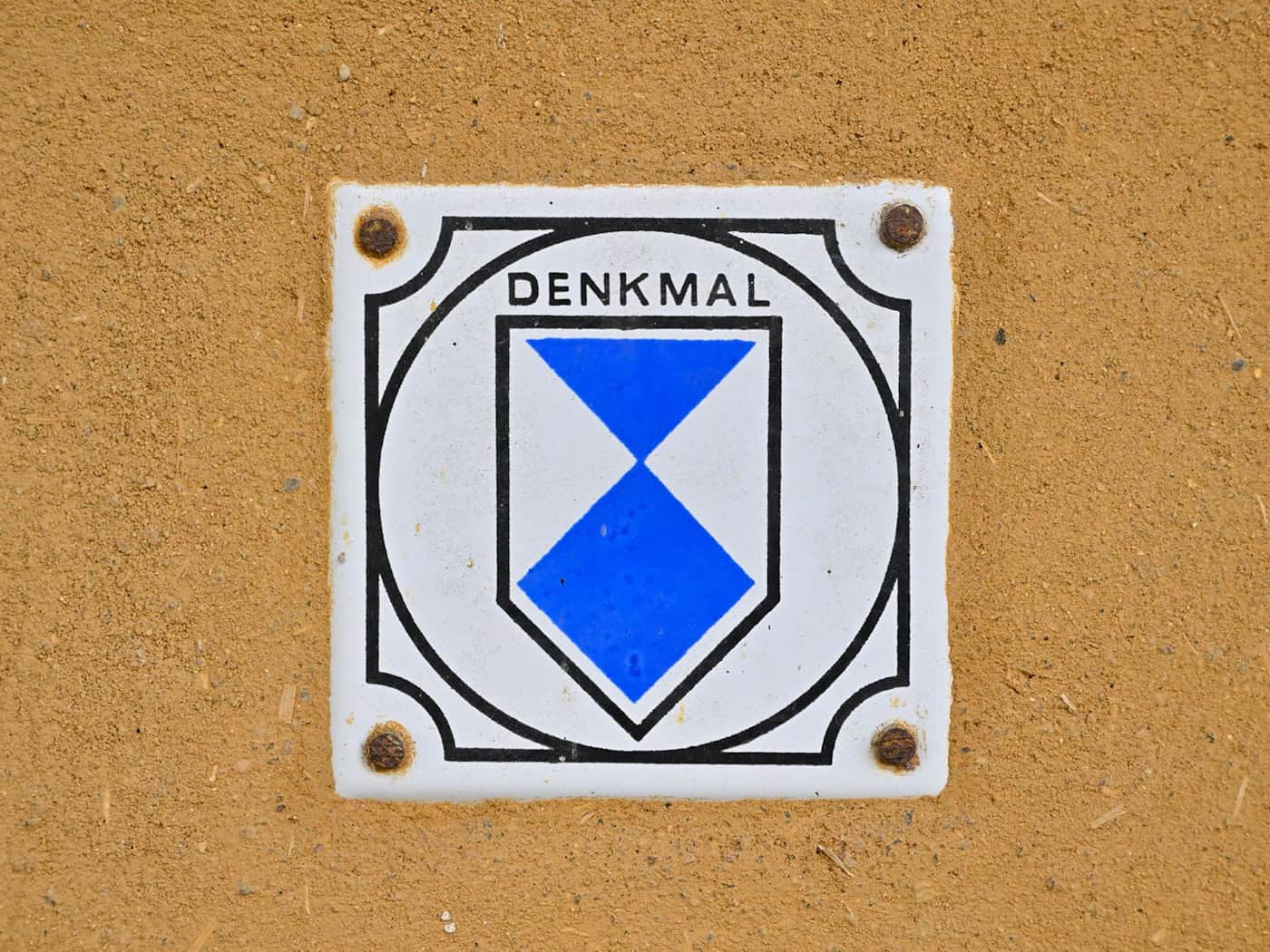
Conservationists and archaeologists in Saxony are warning of a "paradigm shift" with drastic consequences for the protection of historical buildings and ground monuments in the Free State in view of the administrative reform planned by the state government. The background to this are cabinet resolutions according to which the State Office for Archaeology and the State Office for the Preservation of Monuments are to be incorporated into the State Directorate of Saxony and thus become part of a large enforcement authority. In an open letter entitled "No dismantling of archaeology, no destruction of monument preservation in Saxony", the Saxon Heritage Society, the Archaeological Society in Saxony, the Friends of the State Museum of Archaeology Chemnitz (smac), the Saxon Academy of Arts and the Association of Restorers criticize the plans as a de facto abolition of independent monument preservation. The letter is co-signed by numerous initiatives, heritage and history associations and nationwide professional associations. "The offices will continue to exist pro forma, but no longer as independent specialist authorities - this will effectively put sovereign monument preservation to bed," said Thomas Westphalen, Chairman of the Saxon Heritage Society, to the German Press Agency. Until now, the specialist authorities have provided independent advice, while in the event of a dispute, the state directorate decides as the higher monument protection authority. Westphalen fears that if the specialist authorities were united with the enforcement authority under one roof, they would no longer be independent. He sees this as a central conflict of interest: "There would then no longer be a sovereign corrective." The signatories fear that professional standards in approval procedures will be pushed back in favor of economic or political considerations, resulting in more cultural monuments being lost in the long term. As a drastic example of possible consequences, Westphalen cited the historic decision in the GDR to demolish Leipzig's Paulinerkirche on today's Augustusplatz - then Karl-Marx-Platz - in 1968 despite professional objections. The authors of the letter are also critical of the planned separation of parts of the State Office for Archaeology and the separation of the smac, which is to be linked to the Dresden State Art Collections in future. The museum can only fulfill its research and educational mission as an integral part of the State Office, it says. At the end of April, the state government announced that it would cut almost 9,000 jobs among state employees by 2040 and at the same time reform the administrative structures in the Free State. This was preceded by the work of a reform commission, which had worked through 64 review mandates in order to plug the billion-euro financial hole in Saxony's future double budget. Copyright 2026, dpa (www.dpa.de). All rights reserved"There will no longer be a sovereign corrective"
State government plans to cut almost 9,000 jobs by 2040


