

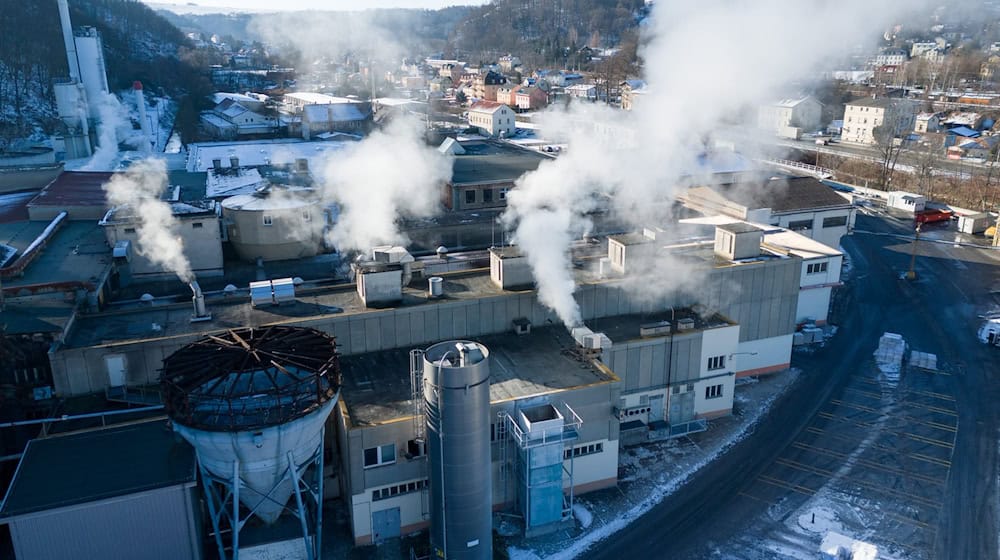
The production of ballot papers at the Hainsberg paper mill in Freital, Saxony, is running according to plan despite the early general election. "We have no production bottlenecks," says Dietrich Arnhold, Managing Director of the paper mill, which has also been producing ballot paper from recycled material for 25 years. The German paper industry can produce around 20 million tons of paper per year, says Arnhold. However, only around 1,000 tons would be needed for the election. According to production manager Lars-Peer Bjick, 90 percent of the ballot papers have already been printed in Freital. According to Arnhold, the election, which was brought forward to February 23, did require some changes to production planning: "We naturally had to reschedule a few orders in order to prioritize the production of the election paper." However, this was done in coordination with the customers and did not cause any problems. In Germany, it is important that ballot papers are made from recycled paper. According to Arnhold, only two other factories besides the paper mill in Freital produce ballot papers. "One special thing to bear in mind is that ballot paper is not translucent," says Arnhold. It should therefore not be possible to see the text on the back from the front. Copyright 2025, dpa (www.dpa.de). All rights reserved


