

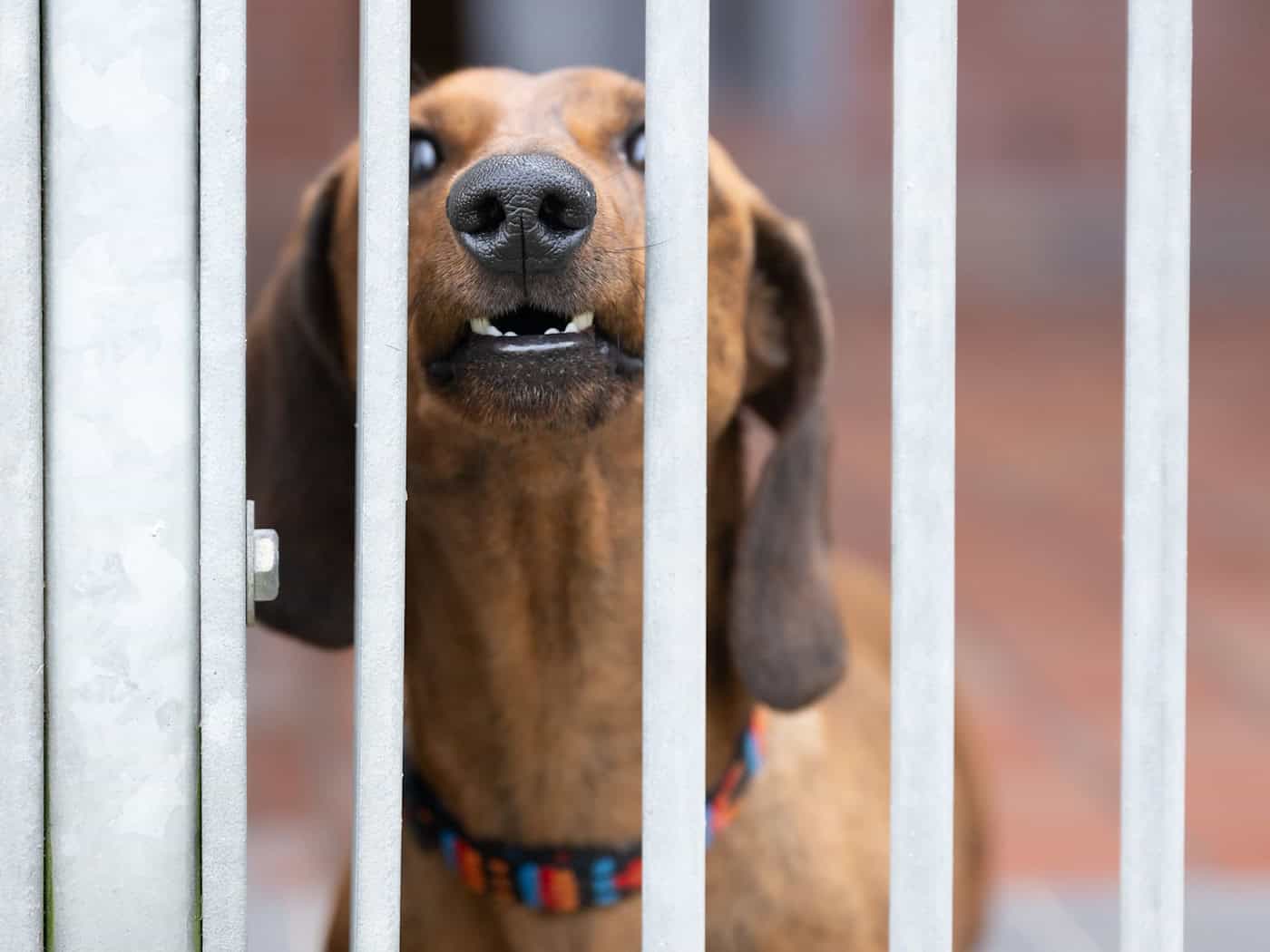
Last year, 613 dog bite incidents were reported in Saxony. As of December 31, 2024, 49 dogs deemed potentially dangerous and 133 dogs determined to be dangerous in specific cases were being kept in the Free State of Saxony, according to the Saxony State Directorate (LDS), the regulatory authority. By comparison: In 2023, 72 dogs in the Free State were suspected of being dangerous; in 2022, the number was 91. “The vast majority of dog owners in Saxony act responsibly. Our legal mandate is not directed against specific dog breeds or individuals, but serves to protect all people in the Free State,” explained LDS President Béla Bélafi. What is crucial, he said, is careful handling, reliable training, and a willingness to comply with applicable rules. The number of reported bite incidents has fluctuated in recent years, ranging from 403 incidents in 2013 to 737 in 2024. When dogs exhibit aggressive behavior or special restrictions become necessary, clear legal regulations apply in Saxony. The basis for this is the Law on the Protection of the Public from Dangerous Dogs, which has been in effect since 2000. The LDS works closely with local municipalities to implement it in practice. The law distinguishes between dogs presumed to be dangerous based on their breed and dogs that have been dangerous in specific cases—such as after an attack on humans or animals. Certain breeds, such as American Staffordshire Terriers, Bull Terriers, and Pit Bull Terriers, as well as their crossbreeds, are presumed to be dangerous. This presumption can be refuted by an expert opinion. Anyone who wishes to own a dog classified as dangerous must obtain a permit. The public order offices of the independent cities and counties are responsible for issuing these permits. Requirements for obtaining a permit include, among other things, being at least 18 years of age, demonstrating personal reliability, providing proof of the necessary expertise, having special liability insurance, and ensuring the dog is housed in a manner appropriate to its behavior and safe for the dog. Dangerous dogs must always be kept on a leash and wear a muzzle. There may also be differences in taxation: For example, the city of Chemnitz currently levies a dog tax of 750 euros per year for dangerous dogs, while the tax for other dogs is 100 euros. Copyright 2026, dpa (www.dpa.de). All rights reservedThe vast majority of dog owners act responsibly
Number of bite incidents fluctuates
Classification Based on Dangerousness
Requirements for Owning Dangerous Dogs


