


Getting up in the morning, going to school, studying in the afternoon, studying again in the evening. This is everyday life for many children and young people in Germany. And it leaves its mark. A quarter feel above-average psychological stress. This is shown by the Robert Bosch Stiftung's German School Barometer 2025, which was developed together with researchers from Leipzig University.
For the first time since the coronavirus pandemic, the level of stress is rising again. In 2024, the proportion was still 21%, in 2025 it was already 25%. This means that the figures remain above the pre-pandemic level. Psychologist Prof. Julian Schmitz from Leipzig University calls this worrying. At the same time, mental health is being discussed more openly today. This could contribute to stress being recognized and named more often.
Poor people suffer more often
Children from low-income families are particularly affected. They report above-average levels of psychological stress, low academic well-being and low quality of life. Almost half of all respondents also state that they are under a lot of pressure to perform and have to study for school at the weekend.
The results from Germany are in line with international findings. Studies by the WHO, OECD and UNICEF have also shown for years that the pressure on children and young people in many countries is growing due to high school pressure, social stress and the consequences of the pandemic.
School can be stressful - and empowering
For education researcher Prof. Henrik Saalbach from the University of Leipzig, it is clear that well-being at school is an important prerequisite for mental health. Teaching is also a decisive factor. The more supportive and appreciative teachers are, the better children and young people feel. Boredom and excessive demands also play an important role.
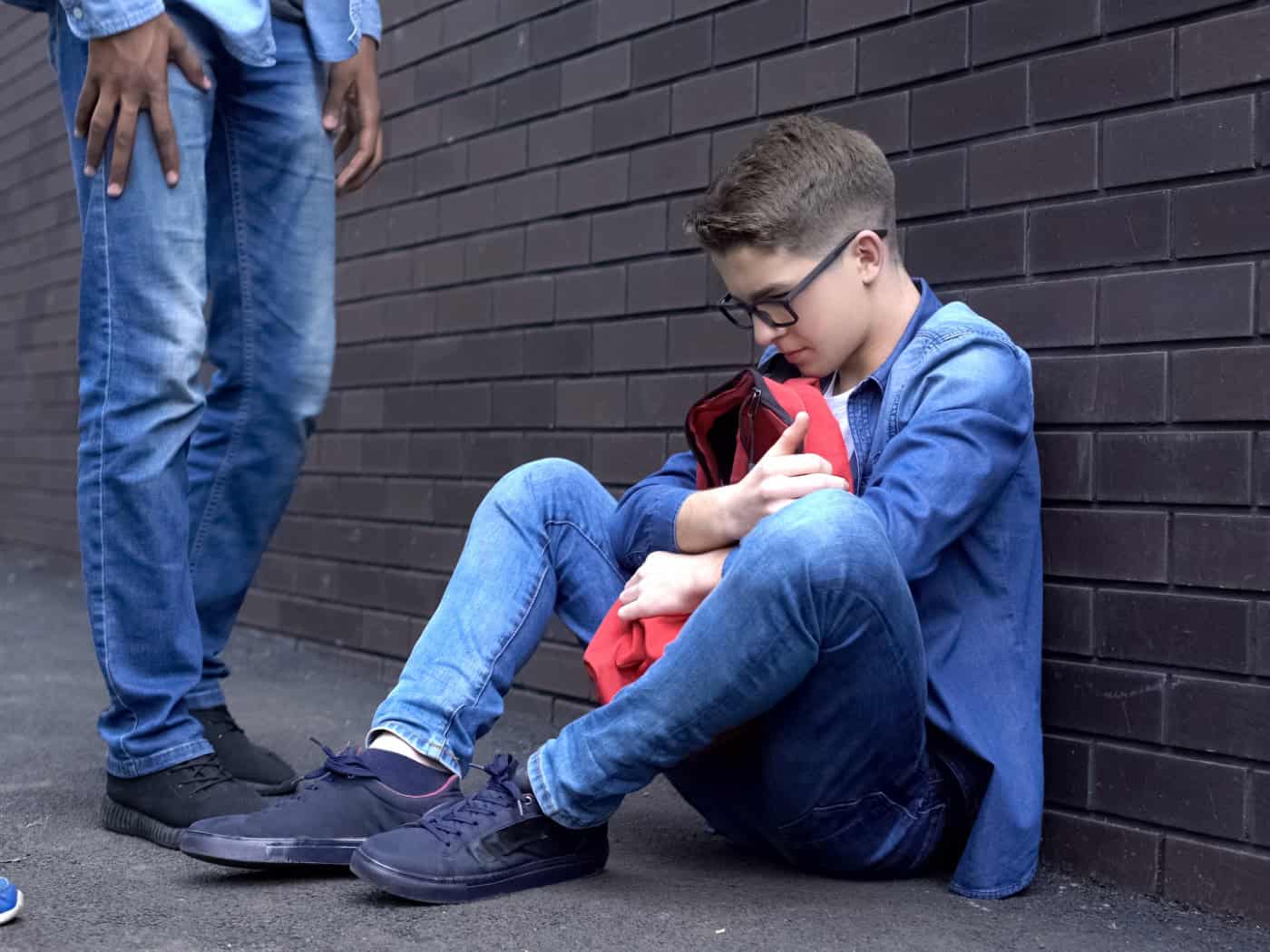
The gap in co-determination is also wide: three quarters of those surveyed would like to have more influence on teaching topics or examination formats, but four out of five say they can barely have a say. Bullying is another stress factor. One in three 11 to 17-year-olds is bullied by classmates at least once a month, with 14-year-olds being bullied particularly frequently. Classic bullying is more common than cyberbullying, and both forms often occur together.
For the study, forsa surveyed a total of 1,507 children and young people and one parent each between May and June 2025.
The original publication is available here.

