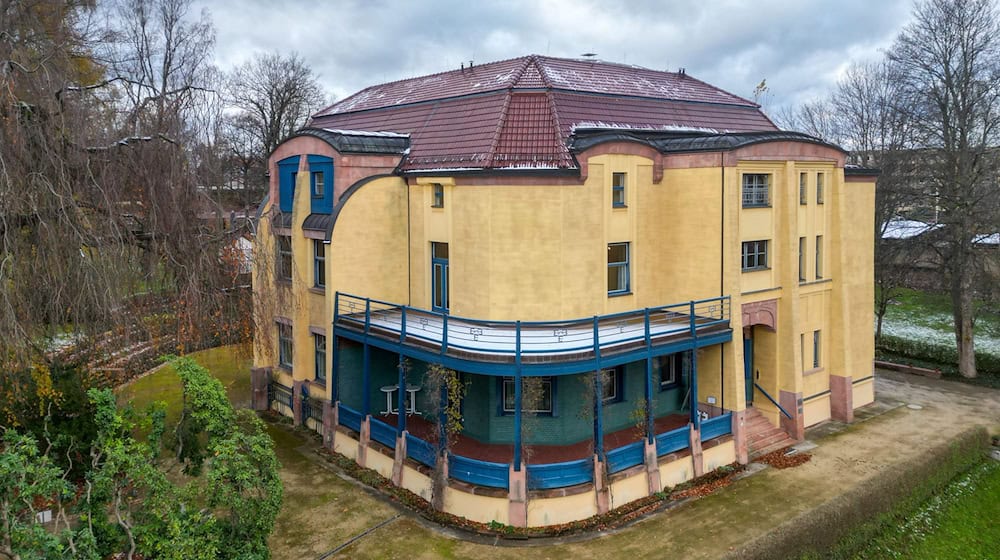
As an architect, artist and teacher, Henry van de Velde was not only a pioneer of the Bauhaus, but also one of the most important representatives of Art Nouveau in Europe. He also left visible traces in Central Germany outside Weimar - for example with Villa Esche in Chemnitz and Haus Schulenburg in Gera. On the way to the Capital of Culture year 2025, the Kunstsammlungen Chemnitz are now putting the Belgian and his work at the center of a new exhibition - and placing his works in the context of the European reform art movement of his time.


More than 250 exhibits on display
According to the information provided, more than 250 exhibits are on display, not only by Henry van de Velde himself, but also by other artists such as Marianne Brandt, Otti Berger, Max Bill and Richard Riemerschmid: from furniture and textiles to individual pieces such as a cake server, a cookie tin and a table lamp to the Ulm stool and the TC100 tableware. "The example of Henry van de Velde and the people surrounding him is a wonderful way to trace the development of what we call product design today," emphasized curator Anika Reineke.
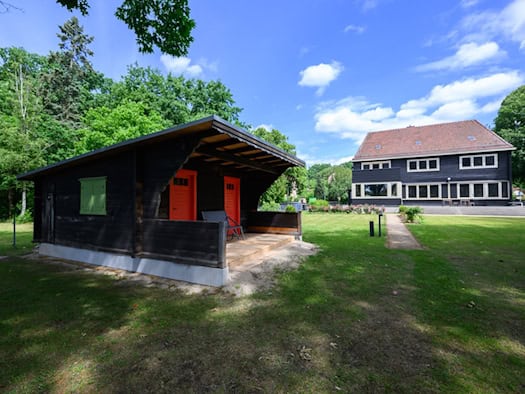
The show at the Kunstsammlungen am Theaterplatz and Villa Esche opens on Saturday and will be on display until the beginning of March; the exhibition section at Villa Esche will be on display until the end of 2025. The exhibition will be accompanied by lectures, for example on van de Velde's former Chemnitz Lawn Tennis Club and guided tours of Villa Koerner, which he also created in Chemnitz.
Copyright 2024, dpa (www.dpa.de). All rights reserved