

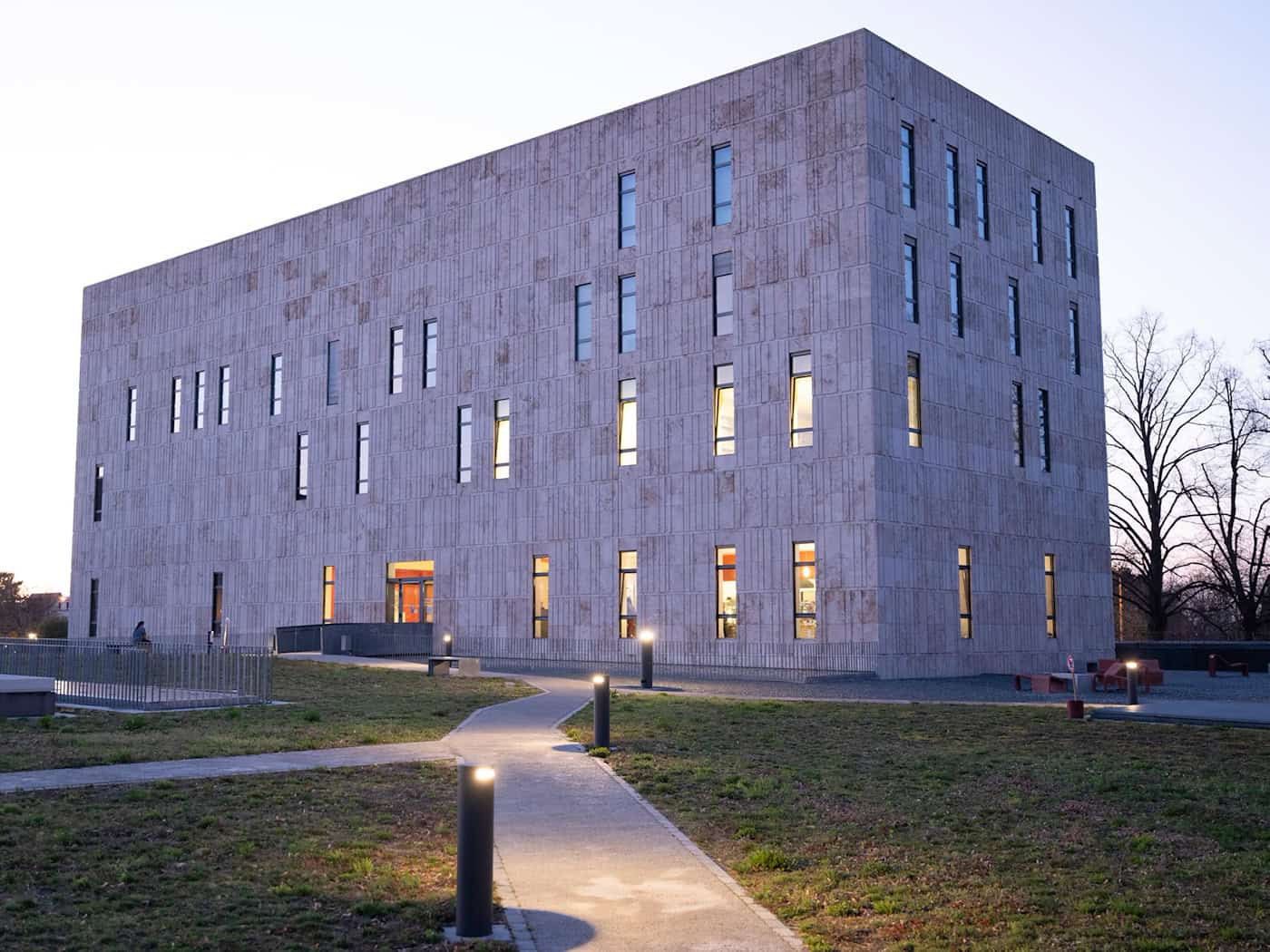
From *Struwwelpeter* to Förster’s *Pucki* to *Conni*: The Saxon State and University Library (SLUB) in Dresden is hosting an exhibition on children’s and young adult books. Selected works spanning more than 150 years from the library’s collection will be on display in the reading room through the end of next March. Drawing on stories ranging from Wilhelm Busch and the Imperial Era through the GDR to the present, the exhibition explores what these books reveal about the era in which they were written. What image of childhood do the authors portray? What educational ideals and role models are reflected in them, and what ideologies have influenced them? Robert Schuppe, curator and head of the children’s book collection, aims to raise awareness of the collection through this exhibition. Hardly anyone knows about it; the works mostly lie dormant in storage, he said in a press release. That is now set to change. “Because children’s books are an underrated medium. Iconic characters like Struwwelpeter or Maya the Bee not only shape our childhoods but also serve as a mirror of the era in which they were created.” Accompanying the exhibition is the podcast “Childhood Stories.” Each of the 15-minute episodes explores a work from a cultural and literary-historical perspective. The first episode, on “Försters Pucki,” examines gender roles in Magda Trott’s children’s book from the Nazi era. The story is about four-year-old Hedi, who is supposed to learn to be a girl, even though she would rather be a boy. The “Children’s Stories” are available wherever podcasts are available. The first two episodes are already online, with new ones added weekly. Copyright 2026, dpa (www.dpa.de). All rights reservedFrom Wilhelm Busch and the Imperial Era to the Present
Podcast accompanying the exhibition


