


Chip offensive in Dresden: GlobalFoundries launches billion-euro expansion
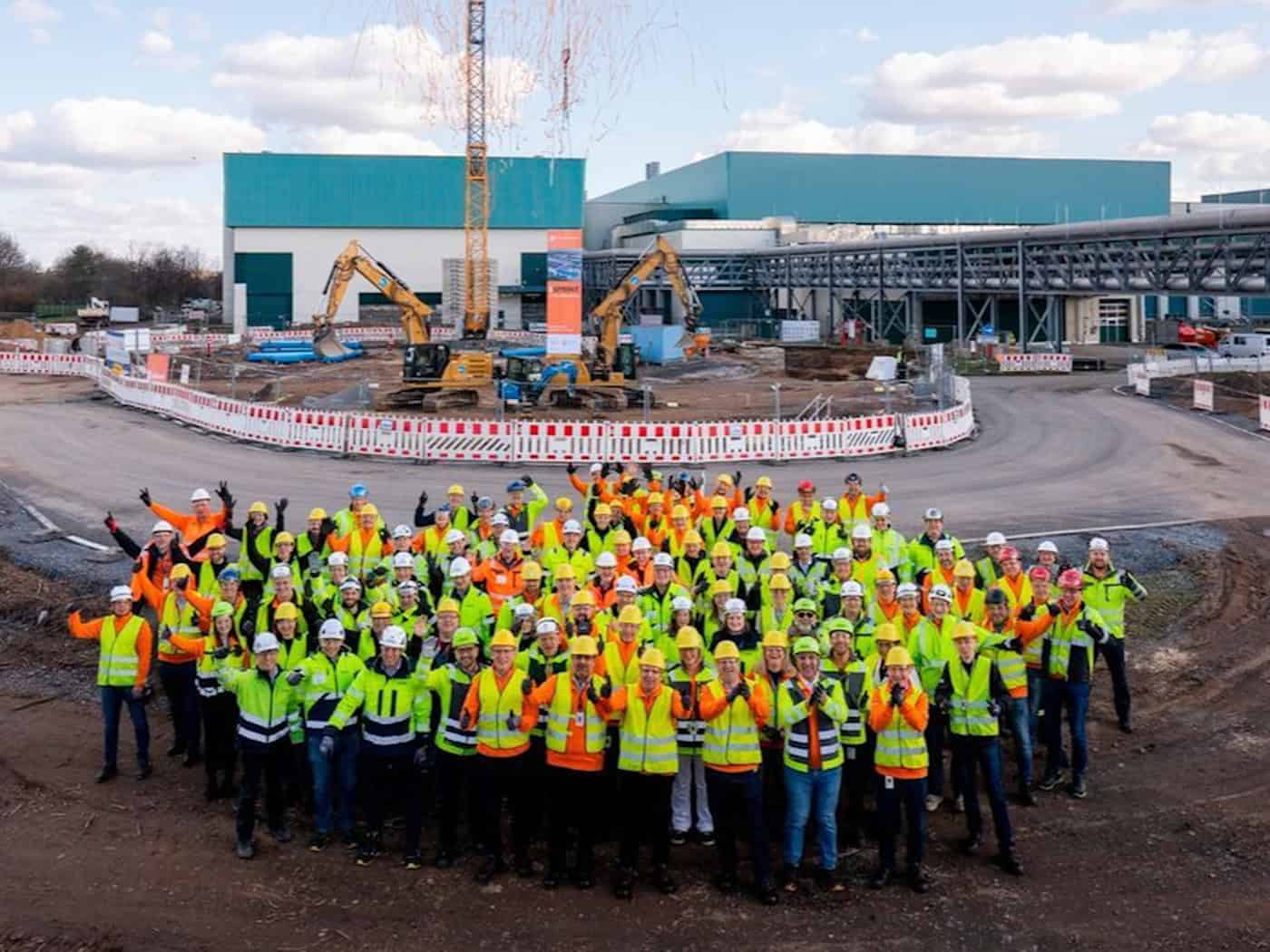
Groundbreaking ceremony for billion-euro expansion
Semiconductor manufacturer GlobalFoundries has given the official go-ahead for the expansion of its chip factory in Dresden. The company began the so-called "SPRINT" expansion of its site with a symbolic ground-breaking ceremony. A total of around 1.1 billion euros is to be invested. The aim is to significantly increase production and further advance technological development.
The Dresden site is already considered one of the most important semiconductor factories in Europe. The expansion will further consolidate this role.
Significantly more production capacity planned
The company is pursuing clear goals with the expansion: Annual production capacity is to increase to well over one million 300-millimeter wafers by 2028. This is GlobalFoundries's response to the growing global demand for chips - for smartphones, cars and industrial applications, for example.
The investment is part of a global strategy in which Europe plays a central role. In addition to locations in the USA and Asia, Dresden will be further expanded in order to stabilize supply chains and make them more independent.
Focus on future technologies
A particular focus of the expansion is on future technologies. GlobalFoundries wants to work more intensively on solutions for artificial intelligence, energy-efficient chips and applications in the field of quantum computing in Dresden.
This will make the Saxon state capital not only a production location, but also an innovation center for key technologies in the coming years. This will make Europe more important, particularly in competition with Asian and American manufacturers.
Importance for Saxony and Europe
The investment is a strong signal for Saxony. In recent years, the Free State has established itself as "Silicon Saxony" - a major European center of the semiconductor industry. The expansion of GlobalFoundries further strengthens this position and secures jobs and economic growth in the region in the long term.
At the same time, the project shows how important the European chip strategy has become. Following the bottlenecks of recent years, Europe is increasingly relying on its own production capacities in order to become less dependent on global supply chains.

