

What is the current state of addiction counseling in Saxony?
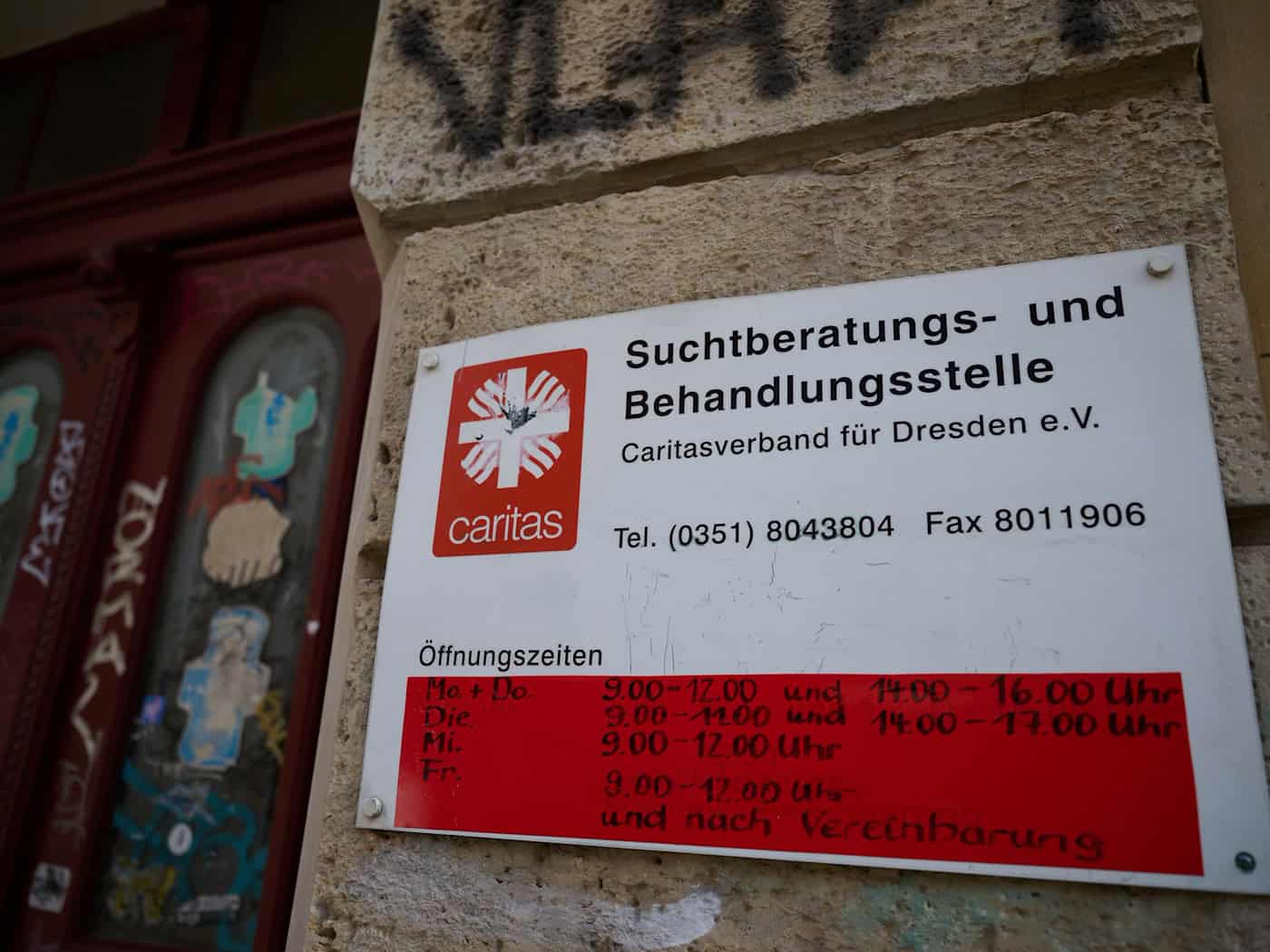
Addiction counseling centers can help with problems involving drugs, alcohol, or gambling addiction—but their services in Saxony are shrinking. In recent years, the various organizations have already had to cut positions and thus reduce their counseling capacity, according to the Saxon State Office for Addiction Prevention (SLS). The Caritas addiction counseling center in Dresden’s Neustadt district is even facing closure: Starting in 2028, it will no longer receive funding, as Caritas announced in an open letter. What do these developments mean for the counseling situation of people struggling with addiction in Saxony? According to the Saxon Ministry of Health, the counties and cities are responsible for funding addiction counseling. They are tasked with providing and coordinating the counseling services. The Free State supports them in this effort with funding. These funds have remained constant since 2021 and were even increased this year. However, the key factor is how the cities and districts allocate the funds, explained Karin Tenbusch of the Caritas Addiction Counseling Center in Dresden’s Neustadt district. Local governments in Saxony are reducing their share of funding for addiction counseling services almost across the board, said SLS Chair Beate Drowatzky. At the same time, the costs for counseling centers are rising due to increasing salaries and general cost increases in recent years. “The planned closure of an addiction counseling center due to tight budgets at the local level is a first in Saxony,” explained Drowatzky. So far, cuts have been made across all service providers in the municipalities. Since the providers could not offset the cuts on their own, they have had to steadily reduce counseling capacity. Counseling hours have been shortened, and vacant positions have not been refilled. In addition, service contracts with providers have been terminated. As a result, in some rural areas, outreach counseling sessions could not be maintained. According to Drowatzky, the recommended minimum level of service for a region is one addiction counseling specialist per 20,000 residents. Only three regions in Saxony still meet this standard. Drowatzky is convinced that maintaining the necessary basic infrastructure is impossible without securing the municipal share of funding. The state capital, Dresden, attributes the cuts to the financial crisis facing municipalities in Germany. It was stated that uniform reductions in hours across all Dresden counseling centers would have jeopardized the ability of all such centers in the city to function. According to a city spokesperson, the financial situation of the municipalities stems from the federal and state governments assigning mandatory tasks without providing sufficient funding for them. Dresden, like all other municipalities in Germany, must finance such mandatory tasks. As a result, there is no room for cost-cutting. According to Drowatzky, for people who need counseling, the cuts mean long wait times or longer commutes to the nearest counseling center with available capacity. “We’re already getting feedback from the surrounding areas—namely Pirna, Freital, and Meissen—that they’re seeing an increasing number of people coming from the city,” reports Tenbusch. With poorer counseling services, substance use disorders are more likely to become chronic, according to Drowatzky. Saxony already ranks third among all federal states in the statistics on alcohol-related deaths. She also warned that methamphetamine consumption in Saxony is three times the national average. Copyright 2026, dpa (www.dpa.de). All rights reservedHow is addiction counseling funded?
What consequences has this had for the counseling centers so far?
Why is there less funding for addiction counseling in Saxony?
What does this mean for people struggling with addiction?