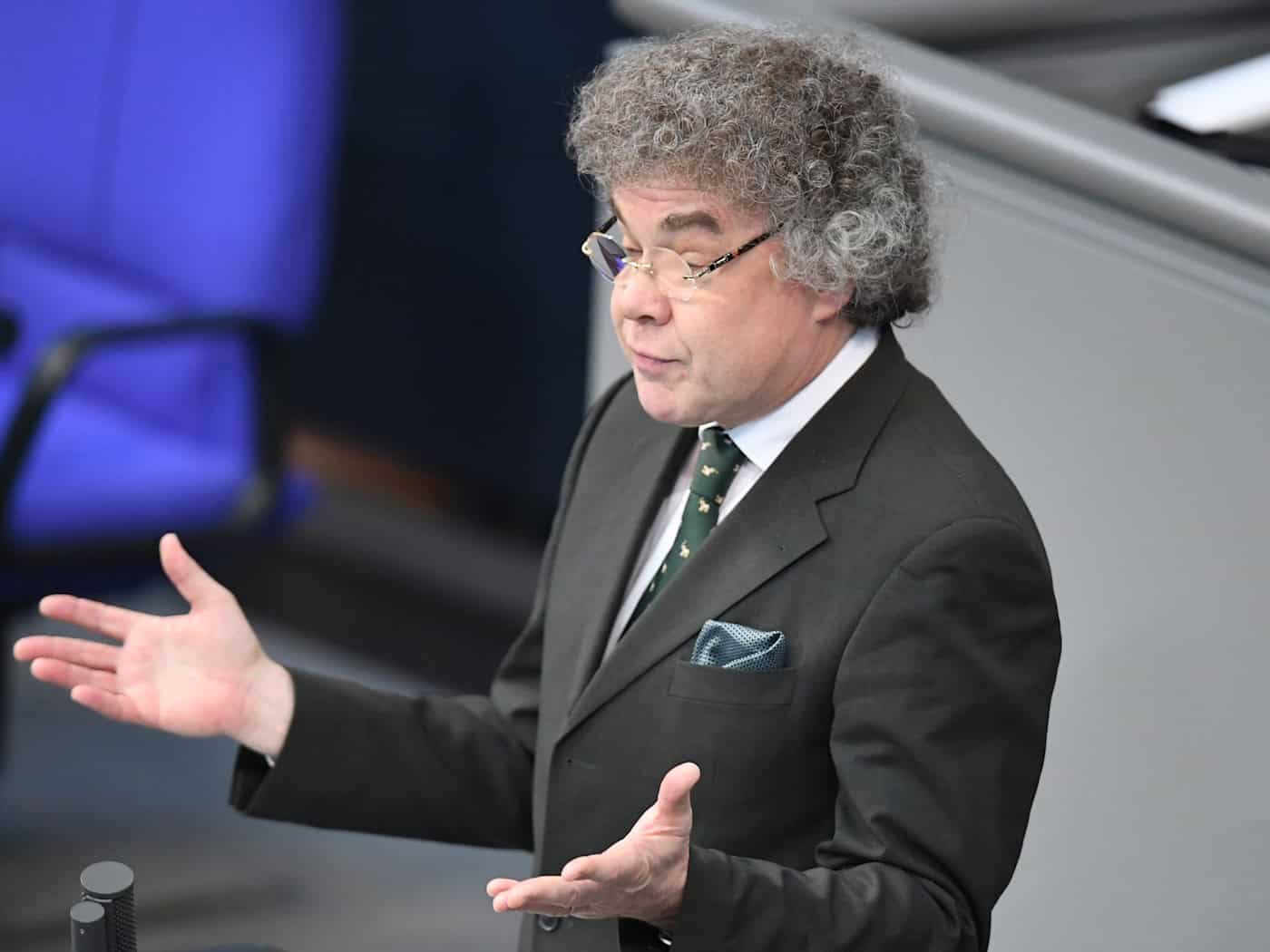
The Federal Constitutional Court has rejected urgent motions filed by AfD Member of the Bundestag Matthias Moosdorf challenging disciplinary measures imposed by his parliamentary group. In May, the leadership of the AfD parliamentary group in the Bundestag had decided that Moosdorf must pay a 5,000-euro fine, may not speak on behalf of the group in the Bundestag for six weeks, and may not attend group events for three months. This decision stemmed from disagreements over the party’s political course and mutual personal attacks. In a letter to his fellow caucus members that was made public, Moosdorf, a member of the Bundestag from Saxony, had harshly attacked Markus Frohnmaier, the foreign policy spokesperson and deputy caucus leader, and indirectly called for his removal. The Federal Constitutional Court found no reason why the imposed measures could infringe upon Moosdorf’s parliamentary rights. All rights of participation could continue to be exercised even in the event that the imposed fine were collected, according to the Second Senate. With regard to the six-week speaking ban, Moosdorf did not argue that he was even scheduled to speak on behalf of his parliamentary group during the weeks in question. Nor did he demonstrate that he could not exercise his right to speak independently of the parliamentary group. During the previous legislative session, Moosdorf himself, as the then-foreign policy spokesperson, faced criticism within his parliamentary group. The criticism centered on a trip to Russia and connections to Moscow. The cellist had accepted an honorary professorship at the internationally renowned Gnessin Academy of Music in Moscow. The academy is funded by the Russian Ministry of Culture. Copyright 2026, dpa (www.dpa.de). All rights reservedKarlsruhe Finds No Violation of Parliamentary Rights