

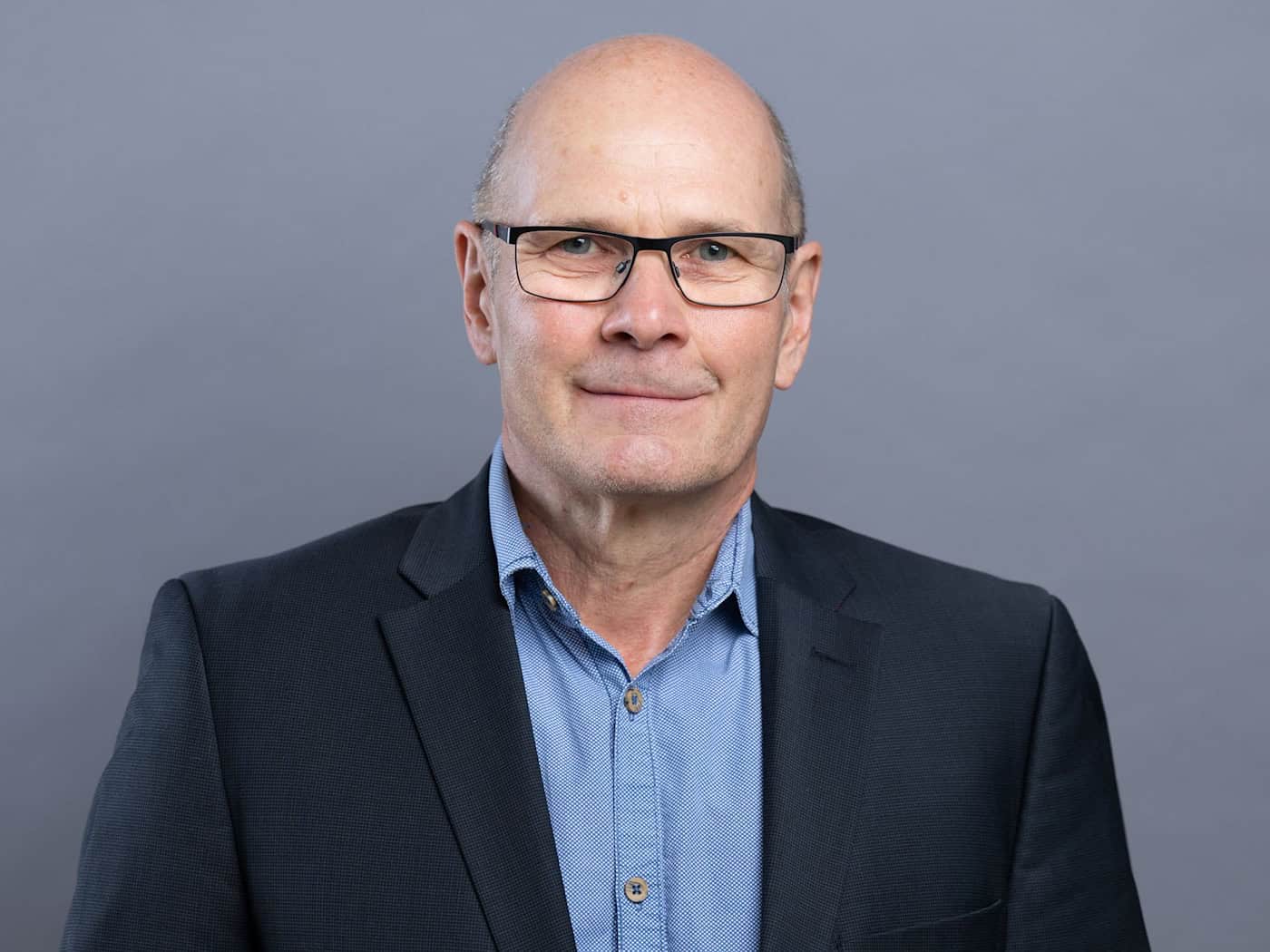
The Sahra Wagenknecht Alliance (BSW) in the Saxon State Parliament is calling for a consistent approach to dealing with industrial espionage. It should not be judged based on whether it might originate from a political partner or a rival, emphasized State Representative Bernd Rudolph. “The only decisive factor must be what access foreign states and their intelligence services actually have and what risks this poses for Saxony.” Rudolph had submitted a minor interpellation on this issue in the state parliament and specifically asked about industrial espionage by the U.S., Israel, and China. “In its response, the state government deals extensively with China’s legal access capabilities, but remains largely silent on the United States and Israel,” Rudolph emphasized. According to the Ministry of the Interior, China is pursuing an “ambitious and long-term program to catch up with the leading industrial nations in forward-looking sectors and technologies.” China’s five-year plans and other strategic documents set a clear goal: for China to become the world’s leading “high-tech nation” by 2049—the 100th anniversary of the founding of the People’s Republic. China’s intelligence services possess extensive access and investigative powers to help achieve this goal. The Ministry of the Interior’s response states, among other things: “Risks arising from the respective national security or intelligence laws of the countries of origin must generally not be overlooked by the Office for the Protection of the Constitution in connection with foreign corporate investments, joint ventures, or research collaborations—and particularly in the case of collaborations in security-relevant or technologically sensitive areas—and must not be overlooked.” Rudolph emphasized: “This is an important observation, especially for a high-tech hub like Saxony. Where semiconductors, microelectronics, and other key technologies are developed, we must effectively protect trade secrets, research knowledge, and sensitive data from access by foreign intelligence services.” The BSW parliamentarian now intends to follow up on this. “I would like to ask the Ministry of the Interior how, for example, U.S. access rights to data and corresponding Israeli security and intelligence laws are factored into the risk assessment conducted by Saxony’s Office for the Protection of the Constitution.” International investments and collaborations are important for Saxony. That is why we need a level-headed approach to economic protection without political blinders: “Equal risks must be assessed by the same standards.” Copyright 2026, dpa (www.dpa.de). All rights reservedMinistry Shifts Focus to China in Industrial Espionage
Government Shows Awareness
BSW: Assessing Identical Risks Using Identical Standards


