

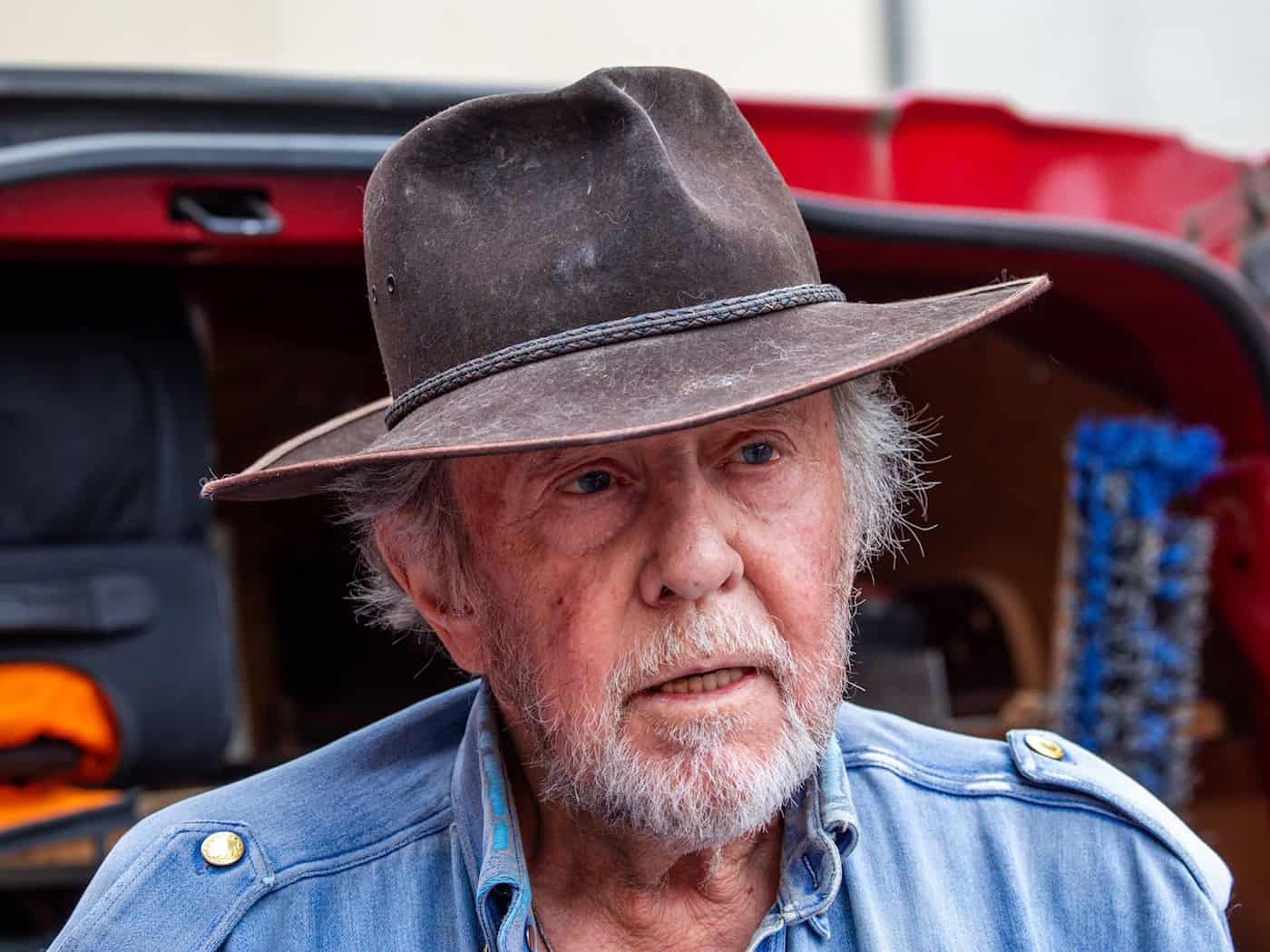
Artist Gunter Demnig has responded with sharp criticism to the decision by the Heidenau City Council near Dresden to no longer allow new Stolpersteine to be placed on public streets. He had anticipated such a move, said the initiator of the Stolperstein project. “Given the AfD’s electoral successes, it was certainly to be expected that something like this would happen,” explained the 78-year-old from Alsfeld in central Hesse. He accused the CDU of having strayed from Christian values. The party “should perhaps drop the ‘C.’ After all, they’ve clearly left Christianity behind.” On Thursday evening, the city council of the Saxon city approved a corresponding motion by the AfD and CDU by a majority vote. The motion stated that many citizens, relatives, and advocacy groups felt this form of commemorating victims of National Socialism was inappropriate. Instead of additional Stolpersteine, the proposers argued that the commemoration of victims of National Socialism should preferably take place at the Nordfriedhof. Demnig rejected this alternative. Remembrance must remain visible where people lived, he said. Stumbling Stones bring the names of the victims and the past back into the present and make history tangible, especially for local young people. A person is only forgotten when their name is forgotten. Relatives in particular wanted the stones. He hoped the ban in Heidenau would remain an exception, the artist said. He said he would “carry on now more than ever.” In Munich, for example, Stolpersteine are also not being laid on city-owned property. Charlotte Knobloch, president of the Jewish Community of Munich and Upper Bavaria, had vehemently rejected the Stolpersteine and advocated for alternatives she considered more dignified. Stumbling Stones as a form of remembrance have existed since the 1990s and are found in many European countries. The small stones, which are typically funded by donations, are laid at the last known place of residence or activity of victims of National Socialism—their names and dates of birth and death are inscribed on a brass plaque on top of the stones. Copyright 2026, dpa (www.dpa.de). All rights reservedMotion by AfD and CDU Approved by Majority
Stones Against Forgetting


