

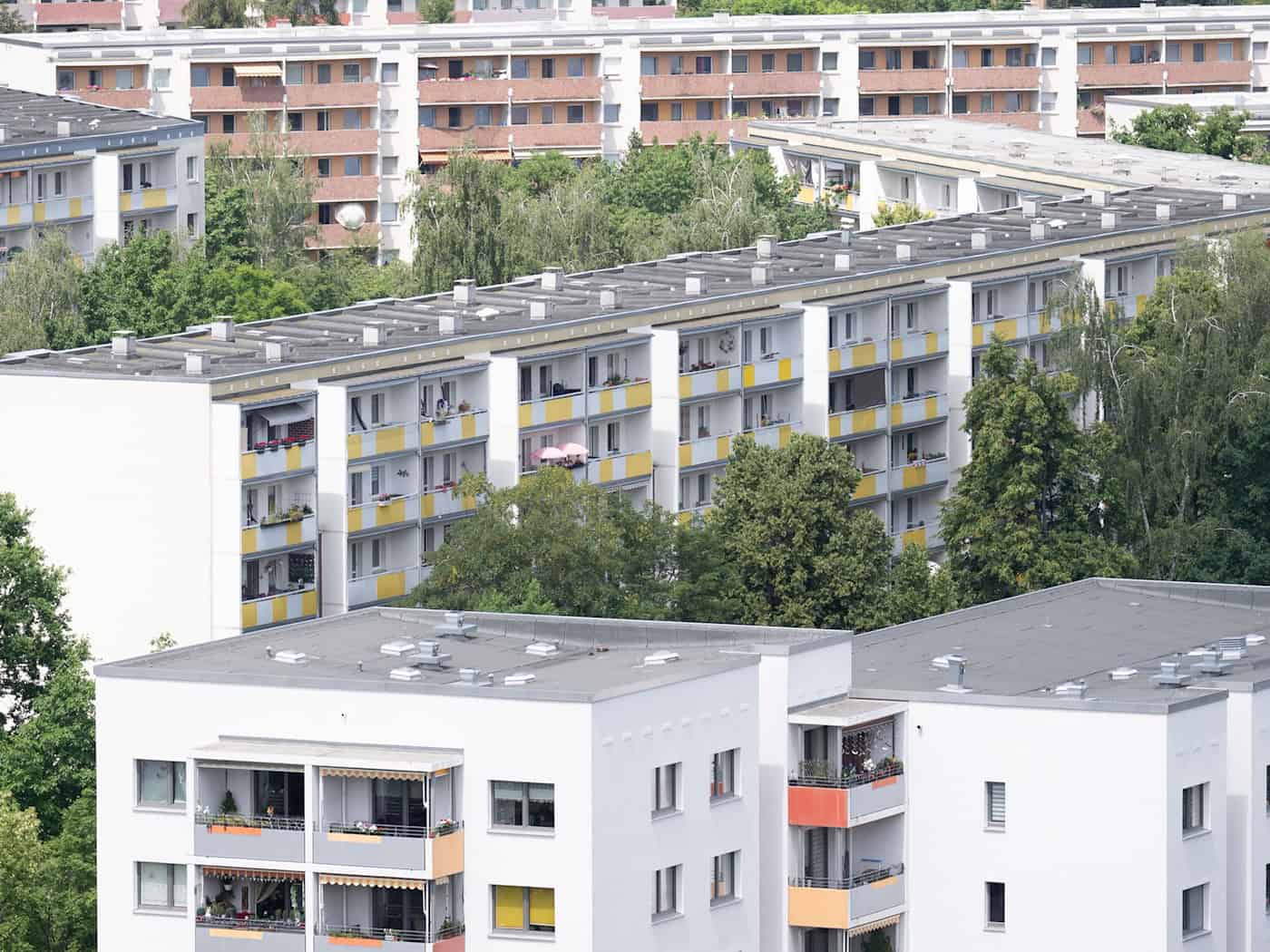
Due to the federal government’s planned cuts, more than 30,000 households in Saxony are at risk of losing their housing allowance. As of December 31, 2025, approximately 97,500 households in Saxony were receiving this government benefit, according to the State Ministry of Development’s response to an inquiry from State Representative Juliane Nagel (The Left). According to this, the federal government intends to reduce the number of households eligible for housing assistance by about one-third. About 65,000 households in Saxony would continue to receive housing assistance. According to the ministry, the change is set to take effect in 2029 under a transitional arrangement. Some households could switch to basic income support. The cuts would particularly affect single parents, families with children, retirees, and young people in training, Nagel criticizes in a statement. They would have to spend an ever-increasing portion of their income on rent and utilities. “The federal government’s plans for cuts must be stopped. Saxony’s voice is also needed to achieve this.” The Left Party is also critical of the long processing times for housing allowance applications at the local offices. As of the end of June, nearly 40,000 applications were pending, according to the ministry. In Freiberg, Görlitz, and Leipzig, those affected must wait more than six months for a decision. Nagel therefore called for more funding for local governments to hire staff in the relevant departments. Housing allowance is a benefit provided by the federal and state governments to citizens who, due to their low income, receive a subsidy toward rent or the costs of owner-occupied housing. In July, the federal government introduced a draft bill proposing cuts, which, among other things, would reduce the number of households eligible for the assistance. The benefit is to be eliminated entirely for households at the upper income threshold of those currently eligible for housing allowance. Copyright 2026, dpa (www.dpa.de). All rights reservedStarting in 2029, only 65,000 households are expected to receive housing assistance
More than six months’ wait after filing an application


